TRENDING

Monday, 26 October 2026
----------------------
15 Jumada Al-Awwal 1448 AH
The European Union has proposed its 21st package of sanctions on Russia, targeting energy revenues and aiming to bring the Russian war economy to heel. The move comes as Russia receives a boost from the Iran war and Trump administration's easing of sanctions.
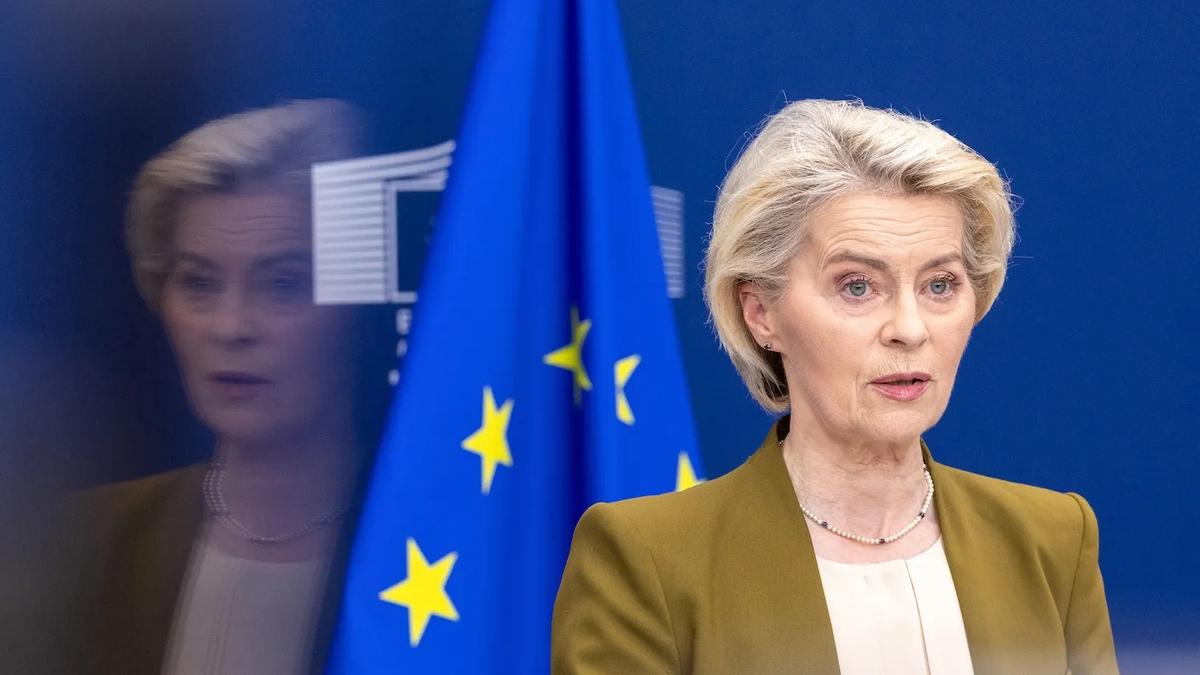
The European Union has proposed its 21st package of sanctions on Russia, a bid to finally bring the Russian war economy to heel, in a war that has now lasted as long as World War I. The latest sanctions package is especially important because Moscow has received a shot of relief this spring, thanks to the Iran war and the Trump administration's easing of sanctions. Russian energy revenues are now at more than two-year highs.
The European Commission is targeting energy this time, with measures meant to curtail Russian oil earnings; sanction more "shadow fleet" tankers; take aim at ports and refineries that allow Russia to do business even still; and limit the future sale of specialized gas tankers to Moscow. The latest proposed package also sanctions several more Russian banks, seeks to limit trade in items that can aid Russia's defense industry, and will ban from Europe any Russian who has participated in the "special military operation" in Ukraine, as the Kremlin refers to it.
The EU's sanctions package is a response to Russia's ongoing war in Ukraine, which has lasted for four years. The war has had significant regional implications, including the displacement of millions of people and the destruction of infrastructure. The EU's sanctions package is aimed at putting pressure on Russia to end its aggression in Ukraine.
The EU's sanctions package has the potential to significantly impact Russia's economy, particularly in the energy sector. If the package is implemented, it could lead to a reduction in Russian energy revenues, which would make it more difficult for Russia to fund its military operations in Ukraine. The package could also have a broader impact on the global economy, particularly if it leads to a reduction in oil prices.
The EU's sanctions package is a significant development in the ongoing conflict between Russia and Ukraine. The package is a response to Russia's ongoing aggression in Ukraine and is aimed at putting pressure on Russia to end its military operations. The package has the potential to significantly impact Russia's economy, particularly in the energy sector, and could lead to a reduction in Russian energy revenues.
The EU's sanctions package is a crucial step in putting pressure on Russia to end its aggression in Ukraine. The package has the potential to significantly impact Russia's economy, particularly in the energy sector, and could lead to a reduction in Russian energy revenues. The package is a response to Russia's ongoing war in Ukraine and is aimed at bringing the Russian war economy to heel.
Editor's Note: The EU's sanctions package has the potential to significantly impact Russia's economy, particularly in the energy sector. However, the effectiveness of the package will depend on various factors, including the level of cooperation from other countries and the ability of Russia to find workarounds.
Source referenced: FOREIGNPOLICY
This brief was synthesized by our Editorial Engine and reviewed by The Ground Narrative team.


