TRENDING

Sunday, 25 October 2026
----------------------
14 Jumada Al-Awwal 1448 AH
The European Union imposes sanctions on Iran's Revolutionary Guards over the closure of the Strait of Hormuz, a move aimed at pressuring Tehran to reopen the key waterway and restore global oil markets.
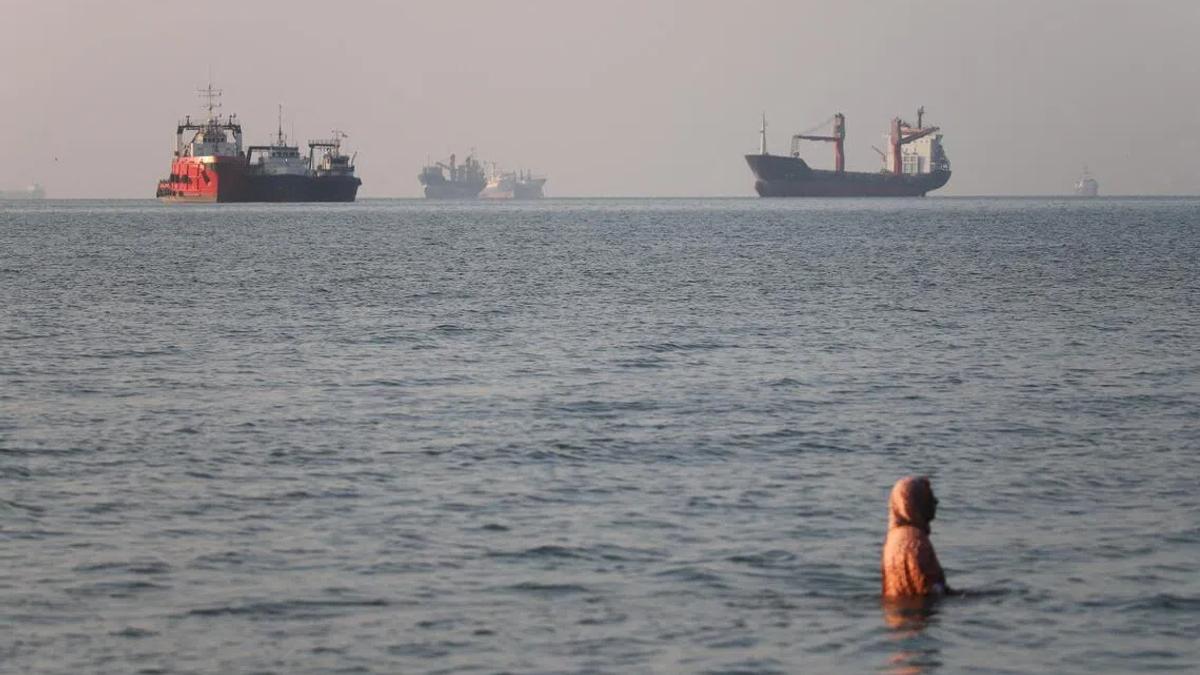
The European Union's (EU) decision to impose sanctions on the spokesman for the naval arm of Iran's Revolutionary Guards and a regional command over the closure of the Strait of Hormuz marks a significant escalation in the bloc's efforts to pressure Tehran to reopen the key waterway. The 27-nation bloc's move is a direct response to the US war with Iran, which has shuttered the Strait of Hormuz and roiled global markets.
The EU's decision to impose sanctions on Iran's Revolutionary Guards is a culmination of years of strained relations between the two sides. The EU has long been critical of Iran's human rights record, its nuclear program, and its support for militant groups in the Middle East. The bloc has imposed several rounds of sanctions on Iran in the past, but this latest move is a significant escalation.
The EU's decision to impose sanctions on Iran's Revolutionary Guards is also linked to its plans to send a naval mission to the Strait of Hormuz once the fighting stops. European nations, spearheaded by France and Britain, are working on plans to send a naval mission to the waterway to ensure the safe passage of oil tankers and other vessels. The EU's naval mission is seen as a key component of its strategy to restore stability to the region and ensure the free flow of oil.
The closure of the Strait of Hormuz has significant regional implications, including a potential oil price shock and a destabilization of the global economy. The waterway is a critical chokepoint for oil exports, and its closure has already led to a spike in oil prices. The EU's decision to impose sanctions on Iran's Revolutionary Guards is aimed at pressuring Tehran to reopen the waterway and restore global oil markets.
The EU's decision to impose sanctions on Iran's Revolutionary Guards is likely to have significant consequences for EU-Iran relations. The move is seen as a direct challenge to Iran's authority and a demonstration of the EU's commitment to restoring stability to the region. The consequences of the EU's decision will depend on Iran's response, but it is likely to lead to a further escalation of tensions between the two sides.
The EU's decision to impose sanctions on Iran's Revolutionary Guards is a significant escalation in the bloc's efforts to pressure Tehran to reopen the Strait of Hormuz. The move is aimed at restoring stability to the region and ensuring the free flow of oil. The consequences of the EU's decision will depend on Iran's response, but it is likely to lead to a further escalation of tensions between the two sides.
Source referenced: STRAITSTIMES
This brief was synthesized by our Editorial Engine and reviewed by The Ground Narrative team.