TRENDING

Sunday, 25 October 2026
----------------------
14 Jumada Al-Awwal 1448 AH
The European Commission's decision to invite Taliban officials to Brussels has raised alarm among human rights groups, who fear it may normalize a regime that has severely restricted women's rights and freedoms.
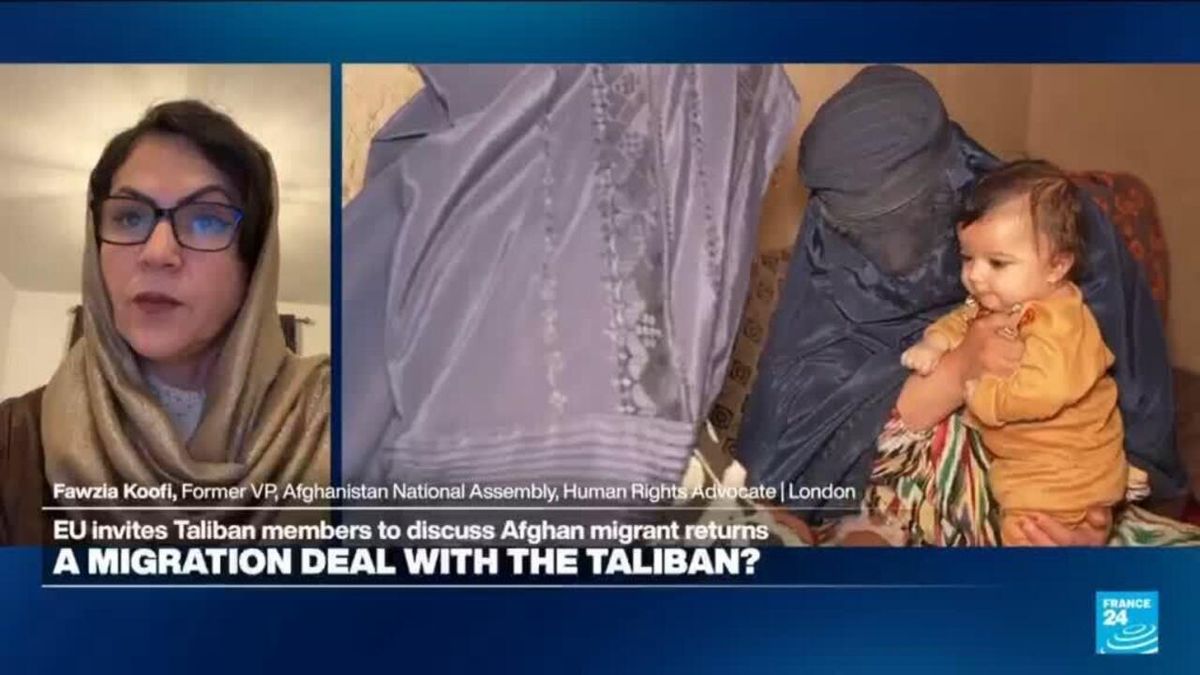
The European Commission's decision to invite Taliban officials to Brussels for talks on migrant deportations has sparked widespread criticism from human rights groups. The move has been met with concern that it may send the wrong signal to regimes that use power as a means of suppression.
The Taliban's rise to power in Afghanistan has been marked by a significant rollback of women's rights and freedoms. The regime has banned girls from attending school, barred women from much of public life, and enforced strict dress codes. This has led to widespread criticism from the international community, with many countries imposing sanctions on the regime.
The European Commission's decision to invite the Taliban officials is likely driven by a desire to address the issue of migrant deportations. The EU has faced criticism for its handling of migrant arrivals, and the Commission may be seeking to find a solution that addresses the concerns of both the EU and the Taliban.
The invitation to the Taliban officials has significant regional implications. It may be seen as a sign of normalization by the Taliban, which could embolden other regimes that use power as a means of suppression. This could have far-reaching consequences for human rights and democracy in the region.
The future consequences of the EU's decision are uncertain. If the talks are successful, it could lead to a normalization of the Taliban regime, which could have significant implications for human rights and democracy in the region. However, if the talks fail, it could lead to further instability and conflict in the region.
The EU's decision to invite the Taliban officials is a complex issue with far-reaching implications. While the Commission may be seeking to address the issue of migrant deportations, the move has significant risks. It may be seen as a sign of normalization by the Taliban, which could embolden other regimes that use power as a means of suppression.
The EU's decision to invite the Taliban officials is a critical moment in the region. It has significant implications for human rights and democracy, and could have far-reaching consequences for the region. As the talks progress, it will be essential to monitor the situation closely and ensure that the EU's actions do not inadvertently embolden regimes that use power as a means of suppression.
Source referenced: FRANCE24
This brief was synthesized by our Editorial Engine and reviewed by The Ground Narrative team.