TRENDING

Sunday, 18 October 2026
----------------------
7 Jumada Al-Awwal 1448 AH
Negotiations within the European Union are underway to update air passenger rights, aiming to strengthen protections against delays and cancellations. The process highlights the complex balance between consumer welfare, airline economic interests, and the EU's regulatory authority.
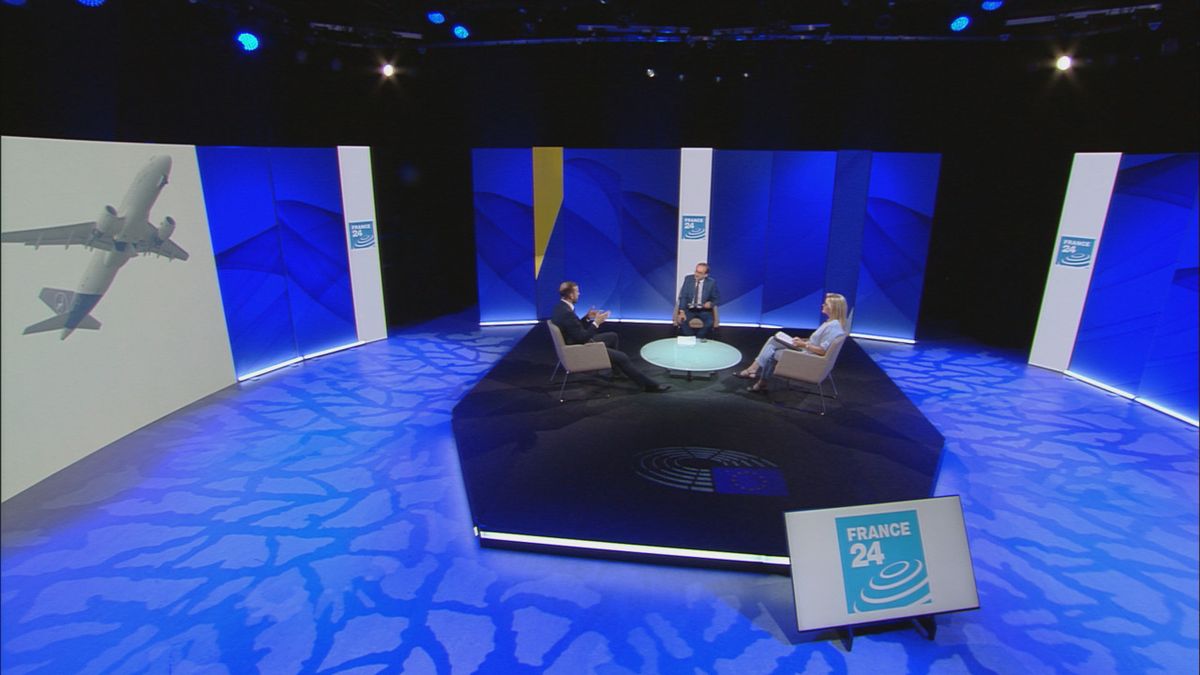
Negotiators from the European Parliament and EU member states are currently engaged in critical discussions to overhaul air passenger rights within the European Union. The existing regulatory framework, established in 2004, is widely considered outdated given the dramatic transformation in the scale and nature of air travel over the past two decades. This legislative effort underscores the EU's ongoing commitment to adapting its internal market regulations to contemporary challenges, particularly in sectors vital to citizen mobility and economic activity.
The 2004 regulations, while foundational, predate the significant expansion of low-cost carriers, the exponential increase in air traffic volume, and the heightened frequency of operational disruptions stemming from factors such as air traffic control strikes, adverse weather events, and unforeseen global crises. Consequently, passengers frequently encounter situations where current compensation and assistance provisions prove inadequate, leading to widespread dissatisfaction and calls for more robust protections. The European Parliament, representing the direct interests of EU citizens, is a primary driver behind the push for stronger safeguards, aiming to ensure that travelers are adequately compensated and supported when faced with delays, cancellations, or other travel disruptions.
The negotiations are reportedly encountering significant turbulence, reflecting the inherent tension between various stakeholders. On one side, the European Parliament, with MEPs like Virginijus Sinkevicius and Cynthia Ní Mhruchú advocating for enhanced consumer protection, seeks to empower passengers with clearer rights and more substantial recourse. Their motivation stems from a public-interest mandate, aiming to mitigate the financial and logistical burdens placed on individuals by airline operational issues.
On the other side, EU member states, while generally supportive of consumer rights, often balance these concerns with the economic realities and competitiveness of their national airlines. Stricter regulations, particularly those involving increased compensation or mandatory re-routing options, can impose significant financial burdens on carriers. Airlines, in turn, frequently lobby against measures that could substantially increase their operational costs, arguing that such expenses might ultimately be passed on to consumers through higher ticket prices or could hinder their ability to compete effectively in a highly competitive market. The key sticking points in the negotiations likely revolve around the scope of compensation, the definition of 'extraordinary circumstances' that exempt airlines from liability, and the practical implementation of assistance measures during prolonged disruptions.
This legislative battle, while seemingly focused on consumer rights, carries broader geopolitical and economic implications for the European Union. Firstly, it serves as a crucial test of the EU's internal governance and its ability to effectively legislate for its vast single market. A successful agreement would demonstrate the bloc's capacity to adapt its regulatory framework to evolving realities and to reconcile diverse national and sectoral interests for the common good of its citizens. Conversely, a prolonged stalemate or a watered-down agreement could undermine public confidence in the EU's ability to deliver tangible benefits to its populace.
Secondly, the outcome will significantly impact the European aviation sector, a vital component of the EU economy and a key enabler of trade, tourism, and mobility. While enhanced passenger rights may lead to increased costs for airlines, they could also foster greater consumer trust and loyalty, potentially stimulating demand for air travel within the bloc. Furthermore, a harmonized and robust regulatory environment across all member states ensures a level playing field for airlines and provides clarity for travelers, reinforcing the principles of the single market.
Finally, the EU's approach to air passenger rights often sets a global benchmark. As a major economic and regulatory power, its decisions in this area can influence international standards and practices, demonstrating its soft power in shaping global norms for consumer protection in the travel industry.
The ongoing negotiations highlight the complex interplay between public interest, economic viability, and regulatory effectiveness within a large, multi-state union. The challenge for EU negotiators is to forge an agreement that genuinely strengthens passenger protections without unduly burdening the aviation industry, thereby ensuring the long-term sustainability and accessibility of air travel within the bloc. The resolution of these discussions will not only redefine the travel experience for millions of Europeans but also reaffirm the EU's role as a proactive regulator committed to safeguarding its citizens' rights in an increasingly interconnected world.
Source referenced: FRANCE24
This brief was synthesized by our Editorial Engine and reviewed by The Ground Narrative team.