TRENDING

Friday, 16 October 2026
----------------------
5 Jumada Al-Awwal 1448 AH
Ethiopia, Africa's third-largest refugee host, has opened a new support centre in Addis Ababa with the UN refugee agency. This initiative aims to provide crucial legal aid and employment support, reflecting a strategic move towards sustainable refugee integration amidst regional instability.
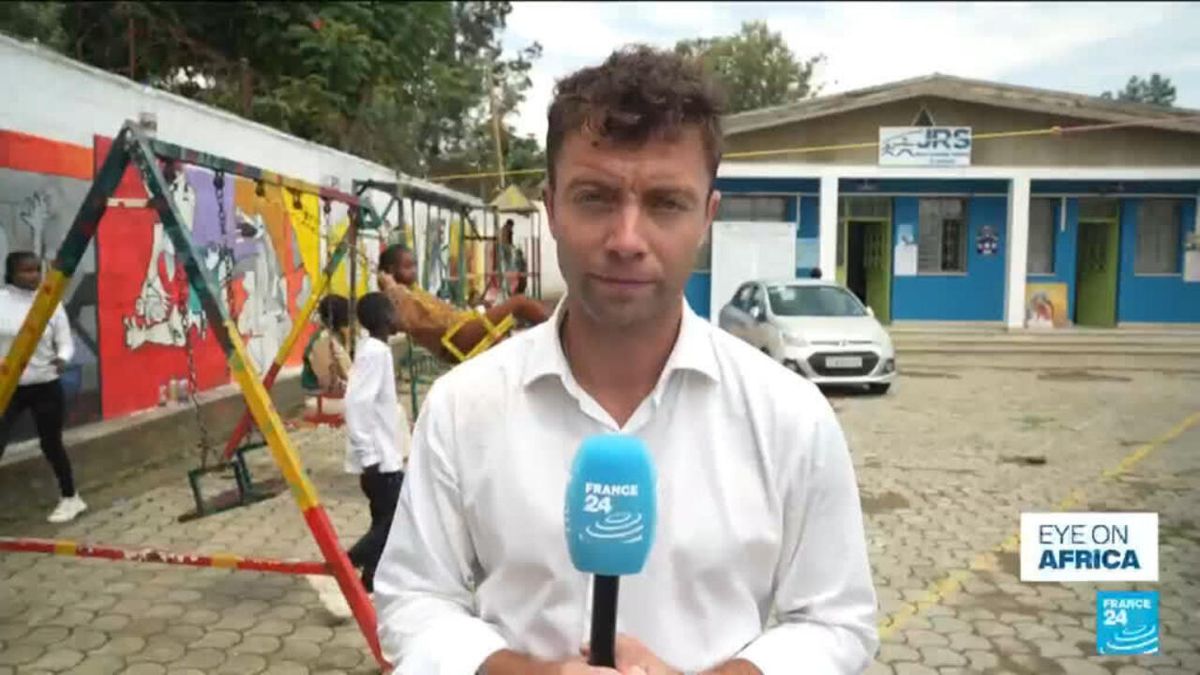
The opening of a new refugee support centre in Addis Ababa on July 18, 2026, by the UN refugee agency (UNHCR) and the Ethiopian government marks a significant development in managing one of Africa's largest refugee populations. This initiative aims to provide crucial legal advice and access to essential services, directly addressing the bureaucratic hurdles and integration challenges faced by displaced individuals within the nation's capital.
Ethiopia currently hosts over one million refugees, positioning it as the third-largest refugee-hosting nation on the African continent. This substantial figure underscores the country's enduring role as a critical sanctuary in a region frequently destabilized by conflict, political unrest, and environmental crises. The influx of refugees primarily stems from neighboring countries such as South Sudan, Somalia, Eritrea, and Sudan, all grappling with their own complex internal and cross-border challenges. Ethiopia's capacity and willingness to host such a large population, despite its own domestic pressures, positions it as a key player in regional humanitarian efforts and migration dynamics.
The newly established centre in Addis Ababa is designed to offer free legal advice, facilitate the acquisition of vital documents, and enhance refugees' prospects for employment. From a strategic perspective, these services are paramount. Legal assistance helps protect vulnerable populations from exploitation, ensures their rights are recognized under international and national laws, and aids in navigating complex asylum processes. Access to documentation is fundamental for identity verification, freedom of movement, and accessing basic services like healthcare and education. Crucially, improving employment opportunities is not merely a humanitarian gesture; it is a strategic investment in self-reliance. By enabling refugees to contribute to the economy, the centre aims to reduce long-term dependency on aid, alleviate strain on host communities, and foster a more sustainable integration model. This approach aligns with global efforts to shift from protracted encampment to more dignified and productive solutions for displaced persons.
The Horn of Africa remains a volatile geopolitical landscape. Persistent conflicts, such as those in Sudan and South Sudan, coupled with the impacts of climate change leading to droughts and resource scarcity, continue to generate significant forced displacement. Ethiopia's ability to effectively manage its refugee population has direct implications for regional stability. A well-supported and integrated refugee community is less likely to become a source of social tension or a target for recruitment by illicit groups. Conversely, neglected refugee populations can exacerbate existing fragilities. The centre's focus on integration and self-sufficiency can be seen as a proactive measure to mitigate potential long-term security and socio-economic risks associated with large, marginalized populations. This proactive engagement by the Ethiopian government, supported by international partners, demonstrates a commitment to regional stability through humanitarian action.
The collaboration between the Ethiopian government and the UNHCR highlights the critical importance of international cooperation in addressing global humanitarian crises. While host nations bear the immediate burden, the scale of modern displacement necessitates a shared global responsibility. The UNHCR's involvement brings expertise, resources, and adherence to international protection standards, complementing Ethiopia's national efforts. This partnership not only strengthens the humanitarian response but also enhances Ethiopia's diplomatic standing, potentially attracting further international aid and development assistance crucial for both refugees and host communities. It also serves as a model for other nations grappling with similar challenges, demonstrating a commitment to international humanitarian law and the principles of refugee protection.
Despite the positive step represented by the new support centre, significant challenges persist. Ethiopia's own internal stability has been tested by various conflicts and ethnic tensions, which can complicate refugee integration and resource allocation. The sheer number of refugees, combined with the economic pressures faced by Ethiopia, means that resources will remain stretched. Furthermore, addressing the root causes of displacement in the Horn of Africa—such as ongoing conflicts, governance deficits, and climate change—remains a monumental task that extends beyond the scope of any single support centre. Nevertheless, the Addis Ababa centre represents a tangible commitment to improving the lives of refugees and fostering greater self-reliance, offering a pathway towards more sustainable solutions in a region defined by complex humanitarian needs and geopolitical sensitivities.
Source referenced: FRANCE24
This brief was synthesized by our Editorial Engine and reviewed by The Ground Narrative team.