TRENDING

Sunday, 18 October 2026
----------------------
7 Jumada Al-Awwal 1448 AH
Estonia has emerged as a global leader in digital governance and cybersecurity, offering a compelling model for state-citizen relations and national resilience. Its post-Soviet transformation and proactive defense against cyber threats provide critical lessons for democracies navigating complex geopolitical challenges.
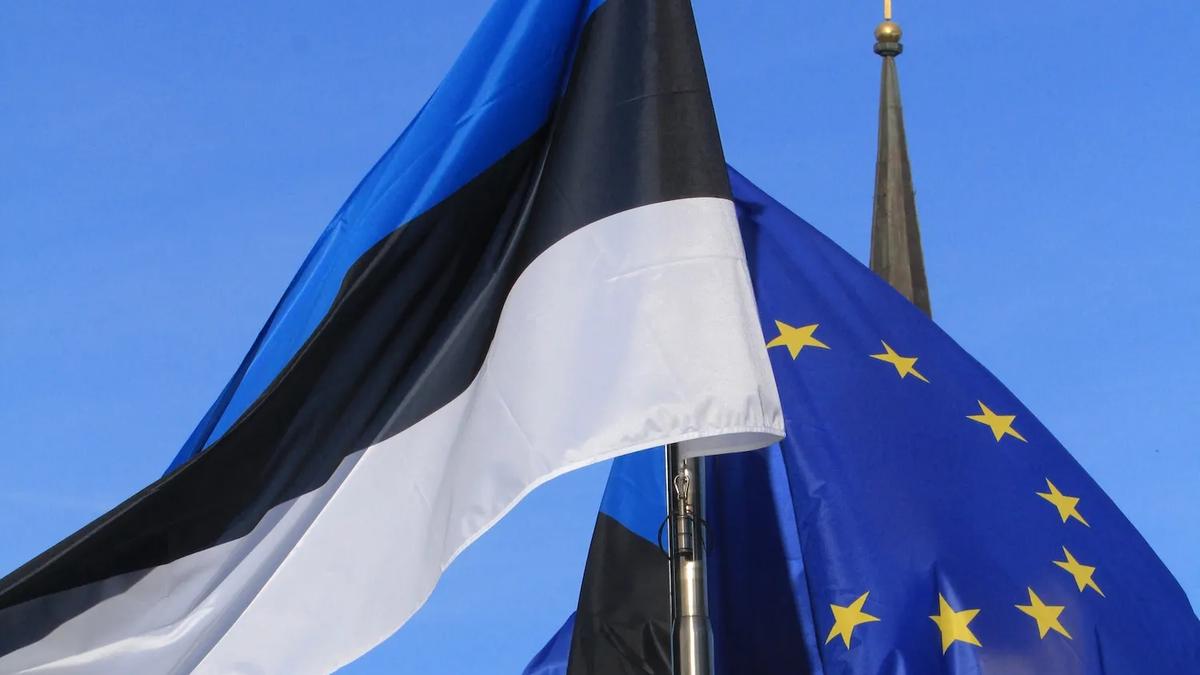
Estonia, a small Baltic nation, has garnered significant international attention for its pioneering approach to digital governance, cybersecurity, and national resilience. As highlighted by figures such as former British Ambassador to Estonia, Ross Allen, and author John Kampfner, the country's journey from post-Soviet state to a digital powerhouse offers profound lessons for democracies worldwide, particularly in an era marked by escalating hybrid threats and declining public trust in institutions.
Following the collapse of the Iron Curtain in 1991, Estonia found itself with limited resources but a clear vision for the future. Recognizing the vast disparity in development compared to its Nordic neighbor, Finland, Estonia embarked on an ambitious national project known as the "Tiger Leap." This initiative involved an all-out commitment to digital technology across all sectors, including e-learning, e-government, and e-security. This strategic pivot was not merely about technological adoption but a fundamental reimagining of the relationship between the state and its citizens.
At the core of Estonia's success is its highly efficient e-government system. Nearly all of the country's 3,000 state services are accessible online, with over 97 percent of Estonians regularly utilizing them. This comprehensive digitization has dramatically streamlined bureaucratic processes, saving the average Estonian an estimated five days per year and contributing approximately 2 percent of GDP in annual savings. For instance, tax returns are pre-populated and can be completed in minutes, leading to increased compliance and reduced administrative overhead.
Beyond mere efficiency, Estonia's digital infrastructure empowers citizens by granting them unprecedented control over their personal data through digital IDs and secure password systems. Individuals can monitor who accesses their data and challenge any unauthorized or unjustified access. While intelligence services and police have specific exemptions for criminal investigations, their actions are disclosed post-completion, fostering a remarkable level of transparency and trust in government—a stark contrast to the growing skepticism observed in many larger European nations.
Estonia's digital journey has been profoundly shaped by its geopolitical realities, particularly its proximity to Russia. In 2007, the country experienced what is widely regarded as the world's first major state-sponsored cyberattack, dubbed "Web War I." Amidst a dispute over the relocation of a Soviet war memorial, a massive wave of distributed denial-of-service (DDoS) attacks crippled Estonia's digital infrastructure, taking down government ministries, parliament, and major banks. This event served as a critical wake-up call, not just for Estonia but for the entire international community, highlighting the emerging threat of hybrid warfare.
In response, Estonia solidified its position as a global leader in cybersecurity. NATO deliberately established its Cooperative Cyber Defense Center of Excellence (CCDCOE) in Tallinn a year later, recognizing Estonia's expertise and strategic importance. Domestically, Estonia created the Defense League Cyber Unit, a voluntary organization comprising programmers, computer scientists, and software engineers. This unit, integrated into the broader national Defense League, conducts regular exercises with military reservists, preparing the nation for potential cyber contingencies under a unified command structure.
Estonia's experience with Russian aggression, both kinetic and cyber, has forged a strong sense of solidarity with Ukraine. Since Russia's initial aggression in 2014 and especially following the full-scale invasion in 2022, Estonia has been one of Ukraine's staunchest and most practical supporters. This support extends beyond traditional military aid to include crucial digital and cyber capabilities, such as software, hardware, generators, and drones. The sharing of these resources is viewed not as an act of generosity but as a mutual dependence, recognizing that digital resilience is vital for national self-defense, both militarily and for maintaining essential civilian services under duress.
Ukraine's own digital platform, Diia, which provides over 130 online services, mirrors Estonia's e-governance model and has proven instrumental in maintaining state functionality amidst conflict. This shared experience underscores a critical geopolitical lesson: in times of adversity, radical change and digital transformation can build robust, resilient states capable of withstanding external pressures and fostering internal cohesion.
Estonia's trajectory offers a compelling counter-narrative to the political stagnation and rising populism observed in many larger European economies. Its success demonstrates that a commitment to digital innovation, transparency, and citizen trust can refashion the state's relationship with its populace, leading to greater efficiency, security, and social cohesion. The Estonian model suggests that rather than succumbing to incrementalism and suspicion, nations can embrace bold digital strategies to enhance public services, strengthen national defense, and foster a more engaged citizenry. For a world grappling with complex geopolitical challenges and the erosion of democratic trust, Estonia provides a powerful blueprint for courageous and imaginative statecraft.
Source referenced: FOREIGNPOLICY
This brief was synthesized by our Editorial Engine and reviewed by The Ground Narrative team.