TRENDING

Tuesday, 20 October 2026
----------------------
9 Jumada Al-Awwal 1448 AH
A severe illness afflicting Chechen leader Ramzan Kadyrov threatens to ignite a volatile succession crisis in the North Caucasus, posing a significant geopolitical challenge to Russian President Vladimir Putin as his war in Ukraine continues. This potential instability could divert critical resources and attention, complicating Moscow's strategic objectives and internal cohesion.
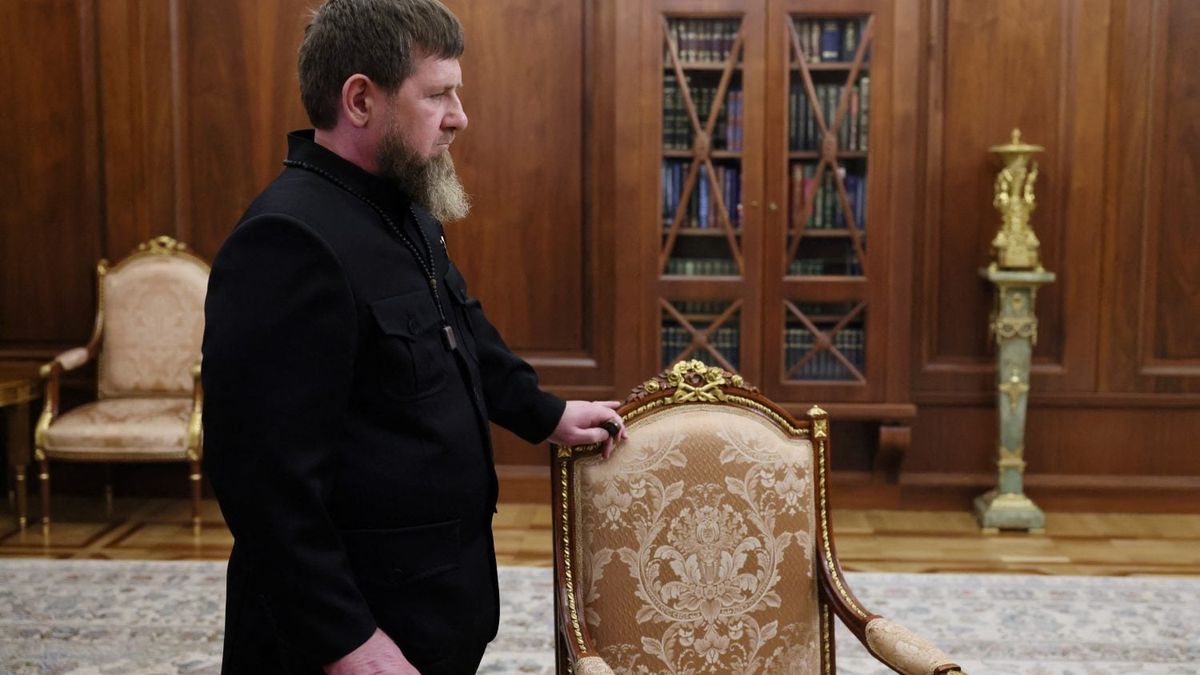
Russian President Vladimir Putin faces a confluence of formidable challenges, from the protracted conflict in Ukraine and its economic strains to the nuanced support from key allies like China. Yet, a potentially explosive internal crisis is brewing in Chechnya, a North Caucasus republic with a history of generating disproportionate turmoil. The severe illness of its autocratic leader, Ramzan Kadyrov, 49, threatens to trigger a succession crisis that could profoundly destabilize Russia at a moment of acute vulnerability.
The core of the problem lies with Ramzan Kadyrov's deteriorating health, which is reportedly terminal and could remove him from power at any moment. Kadyrov, who has ruled Chechnya with an iron fist for 22 years, has attempted to position his 18-year-old son, Adam, as his successor. However, Adam's youth and inexperience present a significant hurdle to a smooth transition. While the Kremlin might consider a solution involving nominal Kadyrov family control under a regent or trusted ally, the deeply entrenched clan-based culture of Chechnya, coupled with a history of blood feuds and countless grievances accumulated under Kadyrov's brutal rule, makes such an arrangement inherently precarious.
Kadyrov's reign has been marked by extreme repression, earning him comparisons to Kim Jong Il of the Caucasus. Human rights organizations have extensively documented accusations of torture, extrajudicial killings, abductions of critics, and collective punishment against opponents' families. He has also imposed an ultraconservative interpretation of Sharia law, including the promotion of polygamy, which stands in stark contrast to Russian federal law. This harsh rule has driven numerous rivals into exile, many of whom are patiently awaiting an opportunity to challenge the existing power structure.
The current arrangement in Chechnya is a direct legacy of Vladimir Putin's rise to power. Following the First Chechen War (1991-1994), which saw Chechen nationalists achieve de facto independence, Putin, then Prime Minister, launched the Second Chechen War in 1999. His ruthless suppression of Chechen rebels, famously vowing to "wipe them out in the shithouse," cemented his image as a strong leader among Russian voters. Simultaneously, Putin pursued a pragmatic strategy: he struck a deal with Akhmad Kadyrov, Ramzan's father, a former rebel leader who had turned against radical jihadists dominating the independence movement. In exchange for suppressing the insurgency and recognizing Moscow's sovereignty, Akhmad Kadyrov was granted an unprecedented degree of autonomy and substantial financial support, allowing him to govern Chechnya largely as he saw fit.
Upon Akhmad Kadyrov's assassination in 2004, power transitioned to his son, Ramzan. Putin continued this arrangement, showering Ramzan Kadyrov with accolades and an annual transfer of $3.8 billion, constituting approximately 92 percent of Chechnya's budget. This massive financial lifeline has enabled Kadyrov to maintain a lavish lifestyle and, crucially, to build a personal security force of 33,000 loyalists, a formidable power base independent of federal Russian command. This unique deal has ensured Chechen stability for two decades, but it has also created a highly personalized and fragile system of control.
The ongoing war in Ukraine has introduced a critical new dimension to the Chechen succession dilemma. Chechens are fighting on both sides of the conflict, with Ukrainian authorities having officially recognized Chechen independence from Russia in 2022. Kyiv is actively working to embolden Kadyrov's opposition, understanding that sparking a new conflict in Chechnya would create a massive drain on Russian resources and attention, effectively opening a "second front" for Moscow. This strategic maneuver aims to exploit Russia's vulnerabilities and divert its military and financial capabilities away from the Ukrainian theater.
While Kadyrov has dispatched his forces to Ukraine, their combat effectiveness has been questioned, with reports suggesting they are more adept at propaganda videos than frontline engagement. Notably, Chechnya has recorded one of the lowest casualty rates among Russian regions, indicating the latitude Putin grants Kadyrov, even amidst a major war. This leniency underscores Putin's delicate handling of the Chechen leader, refraining from public criticism or auditioning alternative candidates for Kadyrov's position, a stark contrast to his treatment of other regional governors.
Ramzan Kadyrov himself appears acutely aware of his precarious position and has been actively preparing for a post-Kadyrov future. His rapid appointments of his children to high-ranking positions, despite their lack of qualifications, suggest a hurried effort to consolidate power for his heirs. He has also strategically married his children into other prominent Chechen clans, a traditional method of safeguarding his legacy and ensuring his progeny's safety in a culture prone to violent disputes. Furthermore, Kadyrov has cultivated close ties with leaders in the Islamic world, particularly Mohamed Bin Zayed Al Nahyan of the UAE, where he has reportedly parked vast sums of money and encouraged his clan members to invest heavily in real estate. Some of his nephews have even applied for Emirati citizenship, indicating a well-prepared safe haven should the Kremlin decide to remove him or if his family needs to flee after his death.
The impending Chechen succession crisis presents Vladimir Putin with an unenviable geopolitical dilemma. The carefully constructed system of control, based on a personalistic deal with the Kadyrov family, is on the verge of collapse. Any attempt to impose a successor from Moscow or to dismantle the Kadyrov family's power could ignite widespread unrest, potentially leading to a renewed insurgency. Such a scenario would not only divert critical military and financial resources from the war in Ukraine but also undermine Putin's image of absolute control and expose Russia's internal fragilities. The historical precedent of Ramzan Kadyrov himself needing years to consolidate power after his father's death, despite extensive preparations, highlights the immense difficulty of managing a smooth transition in Chechnya. For Putin, navigating this crisis without sparking a new quagmire will be a defining test of his strategic acumen and a critical factor in Russia's broader geopolitical stability.
Source referenced: FOREIGNPOLICY
This brief was synthesized by our Editorial Engine and reviewed by The Ground Narrative team.