TRENDING

Monday, 19 October 2026
----------------------
8 Jumada Al-Awwal 1448 AH
UK Prime Minister Andy Burnham's inaugural cabinet meeting signals a shift towards a 'cost-of-living government', with a focus on fiscal discipline and VAT cuts. We analyze the strategic motivations and regional implications of this move.
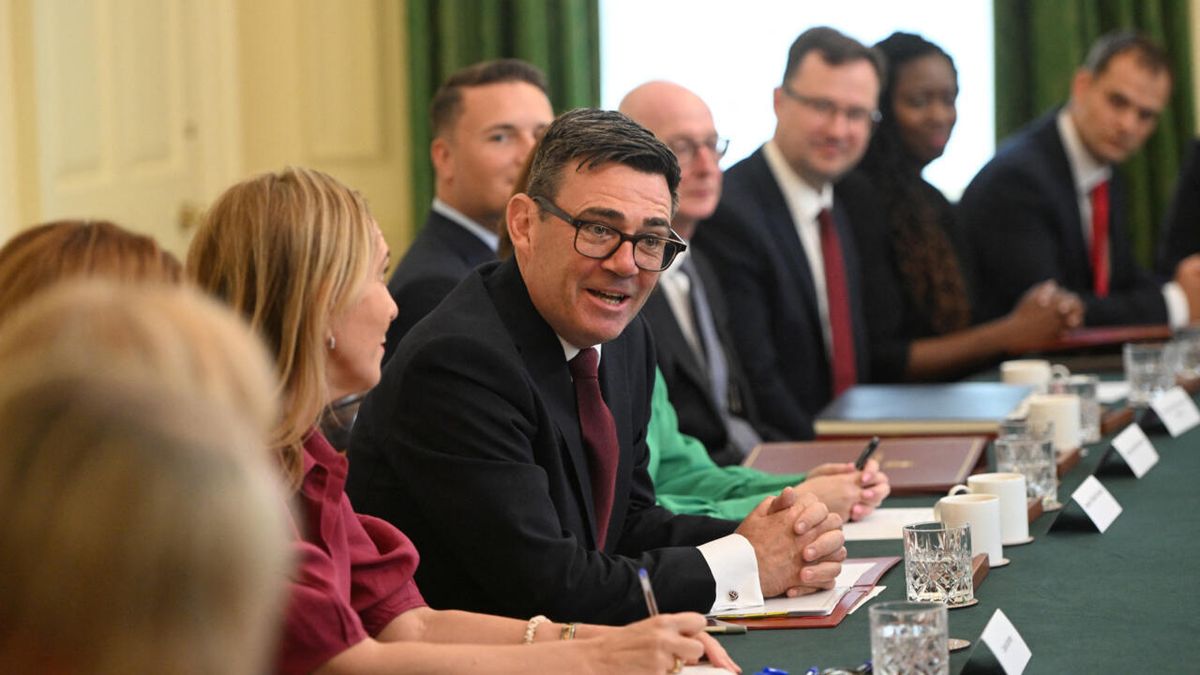
The United Kingdom has entered a new era in politics with the inauguration of Prime Minister Andy Burnham's cabinet. Burnham's first cabinet meeting marked a significant shift in the country's policy direction, with a focus on addressing the cost of living crisis. The new government's commitment to fiscal discipline and VAT cuts on energy bills has sparked both praise and criticism.
Burnham's decision to prioritize the cost of living crisis is a strategic move to address the growing discontent among the British public. The UK has been grappling with rising inflation, energy prices, and a decline in living standards. By focusing on these issues, Burnham aims to demonstrate his government's commitment to delivering tangible results for the people. This approach is in line with the politics of deliverism, which emphasizes the importance of delivering practical solutions to pressing problems.
The UK's economic landscape has been shaped by the country's departure from the European Union. The Brexit process has led to a decline in economic growth, increased uncertainty, and a rise in inflation. Burnham's government is seeking to mitigate the effects of Brexit by prioritizing domestic issues and promoting a closer relationship with the EU. This approach is a departure from the previous government's focus on Brexit and its associated uncertainties.
The UK's decision to prioritize the cost of living crisis has regional implications for the country's relationships with the EU and other nations. Burnham's government is seeking to strengthen ties with the EU, particularly in areas such as trade and economic cooperation. This approach is likely to be met with caution by some EU member states, who may view the UK's decision as a sign of a shift towards a more integrated Europe.
The consequences of Burnham's decision will be far-reaching. The UK's economy is likely to benefit from the VAT cuts on energy bills, which will provide relief to households and businesses. However, the government's commitment to fiscal discipline will require significant spending cuts and tax increases, which may be unpopular with some segments of the population. The UK's relationship with the EU will also be shaped by Burnham's government, with potential implications for trade, economic cooperation, and security.
Burnham's decision to prioritize the cost of living crisis marks a significant shift in UK politics. The new government's commitment to fiscal discipline and VAT cuts on energy bills is a strategic move to address the country's economic challenges. The regional implications of this decision will be far-reaching, with potential consequences for the UK's relationships with the EU and other nations. As the UK navigates this new era in politics, it is essential to monitor the government's progress and assess the impact of its policies on the country's economy and relationships with the international community.
Source referenced: FRANCE24
This brief was synthesized by our Editorial Engine and reviewed by The Ground Narrative team.