TRENDING

Thursday, 22 October 2026
----------------------
11 Jumada Al-Awwal 1448 AH
Armenia's upcoming parliamentary elections are poised to be a watershed moment, potentially reshaping the nation's long-standing geopolitical alignment with Russia and fostering new diplomatic pathways with Turkey and Azerbaijan. These elections reflect a critical juncture for Yerevan as it navigates complex regional dynamics and seeks to redefine its strategic future.
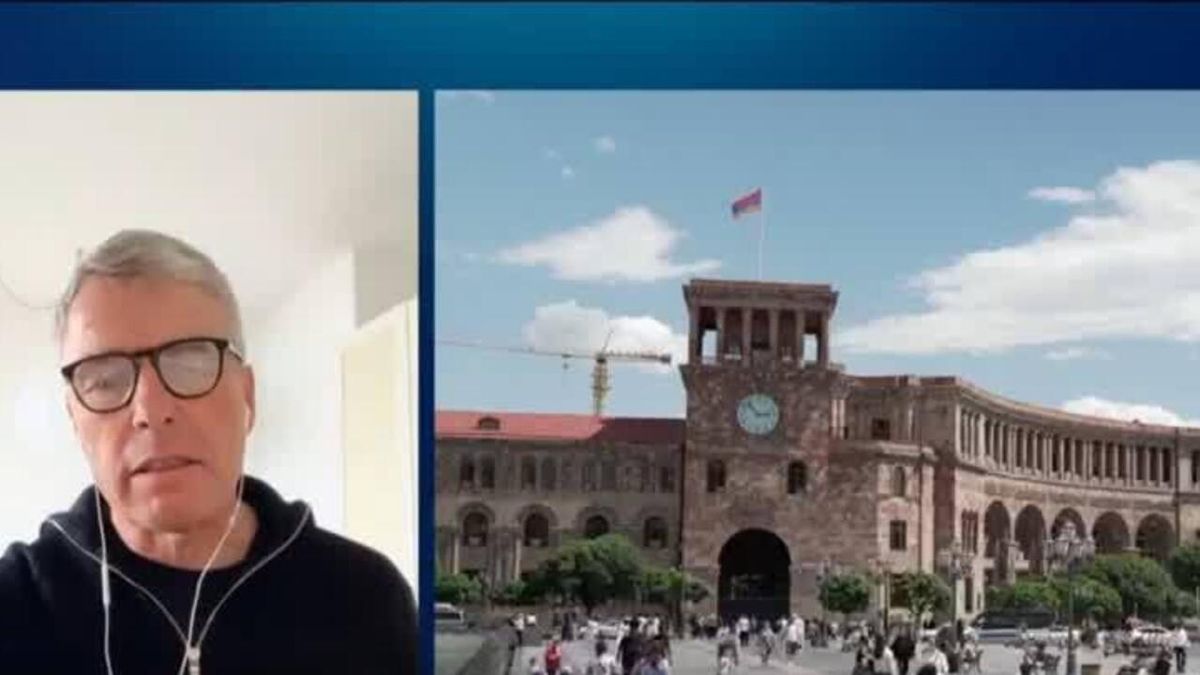
Armenia is on the cusp of a potentially transformative parliamentary election, an event described by Professor Ulrich Schmid of the University of St Gallen as a "historic moment" for the nation. Scheduled for June 6, 2026, these elections are not merely a domestic political exercise but a critical juncture that could fundamentally alter Armenia's foreign policy orientation, particularly its intricate relationships with Russia, the West, Turkey, and neighboring Azerbaijan.
At the heart of this electoral contest is incumbent Prime Minister Nikol Pashinyan's stated ambition to normalize relations with Turkey and Azerbaijan. This objective is particularly significant given the decades-long, often volatile, conflict between Armenia and Azerbaijan, most notably over the Nagorno-Karabakh region. The pursuit of normalization signals a potential strategic pivot for Yerevan, moving beyond entrenched hostilities towards a more pragmatic engagement with its immediate neighbors.
For decades, Armenia has maintained a robust strategic alliance with Russia, relying on Moscow for security guarantees, military support, and economic ties. Russia operates military bases in Armenia and is a key player in the Collective Security Treaty Organization (CSTO), of which Armenia is a member. This deep-seated relationship has historically anchored Armenia's foreign policy, providing a counterweight to regional pressures, particularly from Turkey and Azerbaijan.
The upcoming elections, however, introduce the possibility of a re-evaluation of this traditional alignment. A government with a mandate to pursue closer ties with the West could signal a gradual diversification of Armenia's security and economic partnerships. Such a shift would inevitably challenge Russia's long-standing influence in the South Caucasus, a region of immense strategic importance due to its energy corridors, geopolitical proximity to Iran, and its role as a buffer zone between major powers.
Simultaneously, the desire to normalize relations with Turkey and Azerbaijan represents a profound strategic calculation. Turkey is a staunch ally of Azerbaijan, and the historical animosity between Armenia and Turkey has deep roots. Any progress towards normalization would require significant diplomatic effort and a willingness from all parties to overcome historical grievances and recent conflicts. For Armenia, achieving a stable peace with Azerbaijan, even if challenging, could unlock economic opportunities, secure its borders, and potentially reduce its reliance on external security guarantors.
Prime Minister Pashinyan's push for normalization is likely driven by a complex interplay of factors. The recent military outcomes in the Nagorno-Karabakh conflict have underscored the vulnerabilities of Armenia's security posture and the limitations of its traditional alliances. This has arguably created an impetus for Yerevan to seek alternative pathways to long-term stability and security, including direct engagement with its adversaries.
Should the elections empower a government committed to this reorientation, the "how" of this shift would involve a delicate diplomatic dance. It would necessitate sustained negotiations with Baku and Ankara, potentially mediated by international actors, to address outstanding territorial disputes, border demarcation, and the rights of populations affected by conflict. Concurrently, Armenia would likely seek to deepen its engagement with the European Union and the United States, exploring avenues for economic cooperation, democratic reforms, and potentially alternative security frameworks.
The outcome of these elections holds significant implications for the broader South Caucasus region. A more independent or Western-leaning Armenia could alter the regional balance of power, potentially leading to increased competition among external actors for influence. Conversely, successful normalization efforts could foster greater regional stability, facilitating trade, infrastructure development, and cross-border cooperation, which have long been hampered by unresolved conflicts.
However, such a strategic pivot is fraught with challenges. Russia may view a significant reorientation as a threat to its regional interests, potentially leading to diplomatic pressure or other forms of leverage. Internally, any move to normalize relations with historical adversaries could face considerable domestic opposition, particularly from nationalist factions and those deeply affected by past conflicts. The path to a new geopolitical alignment for Armenia is therefore complex, requiring astute diplomacy, strong internal consensus, and a careful balancing act between historical ties and future aspirations.
Ultimately, the upcoming parliamentary elections in Armenia represent a critical moment of choice. The decisions made by the Armenian electorate and its subsequent leadership will not only determine the country's domestic trajectory but will also cast a long shadow over the geopolitical landscape of the South Caucasus, potentially ushering in a new era of regional dynamics and international engagement.
Source referenced: FRANCE24
This brief was synthesized by our Editorial Engine and reviewed by The Ground Narrative team.