TRENDING

Sunday, 25 October 2026
----------------------
14 Jumada Al-Awwal 1448 AH
Armenia's recent parliamentary elections served as a critical referendum on Prime Minister Nikol Pashinyan's strategic reorientation towards the West, away from traditional ally Russia. The vote unfolded amidst accusations of Russian interference and overt Western support, highlighting the escalating geopolitical competition in the South Caucasus.
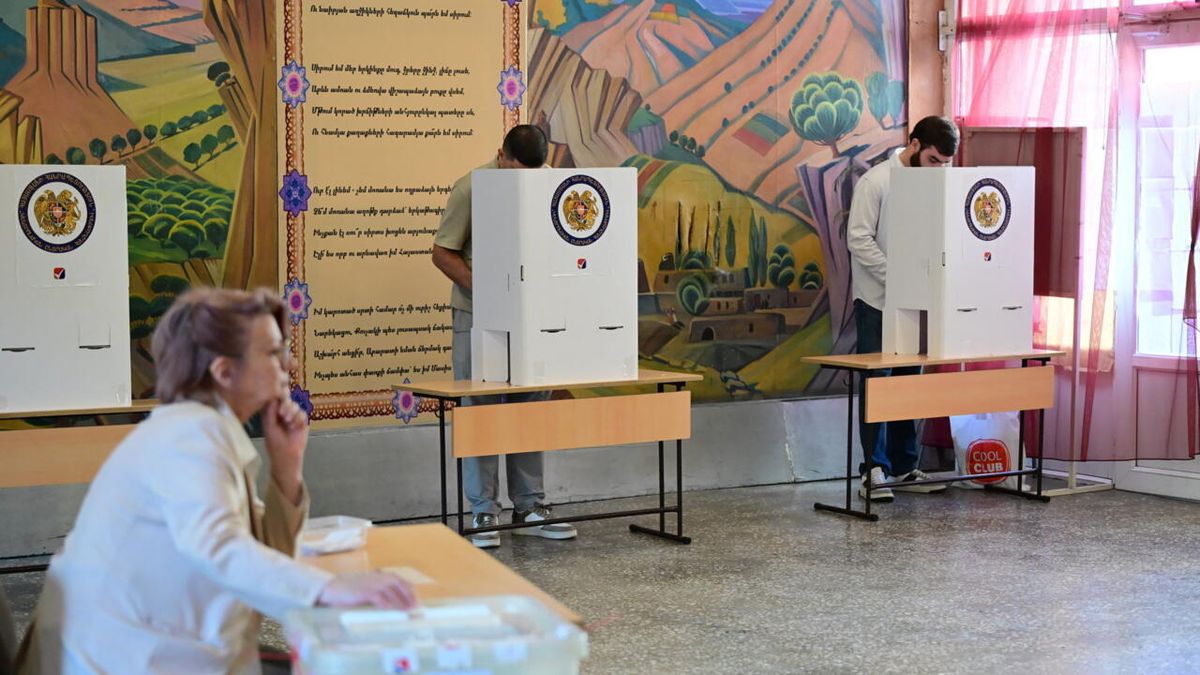
Armenia's parliamentary elections, held on Sunday, June 7, 2026, represented a critical juncture for the South Caucasus nation, testing Prime Minister Nikol Pashinyan's strategic pivot away from its traditional ally, Russia, towards closer ties with the European Union and the United States. The vote unfolded amidst accusations of Russian interference and overt support for Pashinyan from Western powers, underscoring the high geopolitical stakes for a region increasingly becoming a battleground for influence between major global actors.
Prime Minister Nikol Pashinyan, who rose to power following a 2018 street revolution, has framed this election as a decisive choice for Armenia's future: either a path towards lasting peace with neighboring Azerbaijan or a potential return to conflict. His administration's reorientation was largely catalyzed by the 2023 Karabakh conflict, which saw Azerbaijan reclaim control of the disputed enclave. Pashinyan's government perceived Russia, a nominal ally and leader of the Collective Security Treaty Organization (CSTO), as failing to provide adequate support during the conflict. This perceived abandonment prompted a significant reassessment of Armenia's foreign policy and security architecture.
In response, Pashinyan has taken concrete steps to loosen Armenia's dependence on Moscow. These include freezing participation in the Russia-led security bloc and actively deepening diplomatic and economic ties with the European Union and the United States. Armenia has also embarked on a trajectory towards potential EU membership, a move that signals a profound shift in its geopolitical alignment. This strategic pivot aims to enhance Armenia's sovereignty, diversify its security partnerships, and secure its long-term economic stability through integration with Western markets and institutions.
Moscow has reacted with palpable concern to Yerevan's Western overtures. Russian President Vladimir Putin explicitly drew parallels between Armenia's EU ambitions and those of Ukraine, which Russia claims triggered its 2022 invasion. This comparison highlights Russia's deep-seated apprehension about former Soviet republics aligning with Western blocs, viewing such moves as direct challenges to its regional hegemony and potential threats to its security interests.
The Kremlin has been accused of actively seeking to influence the Armenian elections. Reports from analysts indicate a surge in misinformation campaigns, hacker activity targeting Armenian digital infrastructure, and the propagation of Kremlin-friendly narratives portraying cooperation with the West as inherently dangerous. Furthermore, in the weeks leading up to the vote, Russia imposed bans on several Armenian products, a move widely interpreted as an attempt to exert economic pressure and sway public opinion. These actions underscore Russia's determination to maintain its influence in the South Caucasus and prevent the loss of another strategic ally in its "near abroad."
In stark contrast to Russia's alleged interference, Western powers have openly expressed support for Prime Minister Pashinyan's reformist agenda and his government's democratic trajectory. US President Donald Trump offered his "TOTAL Endorsement for Re-Election," praising Pashinyan as a "great friend and Leader." Similarly, French President Emmanuel Macron made a high-profile visit to Yerevan in May, publicly embracing Pashinyan and throwing his support behind the Armenian leader. These endorsements from influential Western leaders signal a concerted effort to bolster Armenia's democratic institutions and encourage its integration into the Euro-Atlantic sphere. For the EU and its member states, supporting Armenia represents an opportunity to expand their geopolitical footprint, promote stability in a volatile region, and potentially diminish Russia's long-standing influence.
The election campaign itself was a fierce battle over Armenia's geopolitical future, with Pashinyan and his chief opponents trading accusations of risking fresh conflict. Pashinyan warned voters of a "catastrophic war" with Azerbaijan if his Civil Contract party failed to secure a strong majority, emphasizing the need for a mandate to pursue his peace agenda. Conversely, opposition figures, such as Russian-Armenian businessman Samvel Karapetyan, whose Strong Armenia party polled second, cautioned against Pashinyan's "reckless rush" to the West, asserting that Russia would remain Armenia's "strategic partner and principal economic partner." Karapetyan, currently under house arrest on coup plotting charges he denies, represents a segment of the Armenian political landscape that remains wary of a complete break with Moscow.
The outcome of these elections carries significant implications for regional stability. A strong mandate for Pashinyan could pave the way for the constitutional amendments demanded by Azerbaijan as a condition for a final peace treaty, potentially bringing an end to decades of conflict. Conversely, a fragmented parliament or a shift back towards a Russia-centric foreign policy could complicate peace efforts and reignite tensions in the volatile South Caucasus. For the Armenian populace, the vote was a deeply personal one, reflecting a division between those who blame Pashinyan for the loss of Karabakh and those who see him as the guarantor of Armenia's independence and future prosperity. The international community, including observers from the OSCE, closely monitored the polls, recognizing the profound impact these elections will have on Armenia's trajectory and the broader geopolitical landscape.
The elections in Armenia are more than just a domestic political contest; they are a microcosm of the larger geopolitical struggle for influence in Eurasia. The choices made by Armenian voters will not only determine the nation's immediate future but will also send a powerful signal about the shifting allegiances and evolving power dynamics in a strategically vital region.
Source referenced: FRANCE24
This brief was synthesized by our Editorial Engine and reviewed by The Ground Narrative team.