TRENDING

Wednesday, 11 November 2026
----------------------
1 Jumada Al-Thani 1448 AH
High-level talks in Abu Dhabi between Russia and Ukraine, brokered by the US, appear to offer a glimmer of peace. However, deeper analysis reveals these discussions are less about ending the conflict and more about strategic political maneuvering.
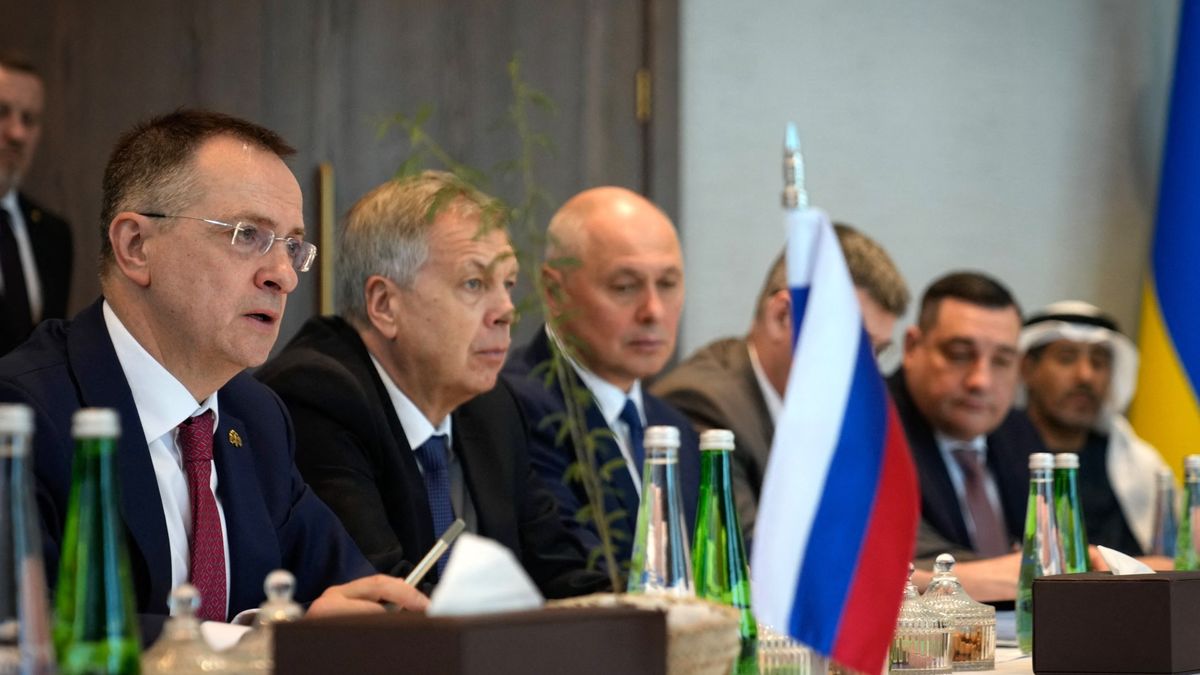
In mid-November 2026, the capital of the United Arab Emirates, Abu Dhabi, hosted a new round of trilateral talks involving representatives from Russia, Ukraine, and the United States. These discussions, brokered by the US, followed a successful humanitarian operation in the southern Ukrainian town of Oleshky, which has been under Russian occupation since 2022. The Oleshky mission saw a rare agreement between Russian and Ukrainian intelligence services to implement a local ceasefire, allowing for the evacuation of hundreds of civilians facing a severe food crisis. The White House, however, publicly attributed the initiation of this humanitarian ceasefire to Melania Trump, in her capacity as an “Exclusive Intermediary,” a narrative that both Moscow and Kyiv subsequently aligned with.
The Abu Dhabi talks, ostensibly aimed at de-escalation, reveal a complex interplay of power, where humanitarian gestures are leveraged for strategic political gain, and the pursuit of peace is overshadowed by the calculus of attrition. Russia's participation, far from signaling a readiness for genuine peace, is a calculated maneuver designed to exploit perceived weaknesses in Western resolve and influence the political landscape in its favor.
Moscow's primary objective in playing along with the Melania Trump narrative regarding Oleshky was to pander to Donald Trump's well-documented desire for a Nobel Peace Prize for his family. By appearing cooperative and attributing the humanitarian success to the Trump family, Russia aims to deepen Trump's existing disaffection with Ukrainian President Volodymyr Zelenskyy. The underlying logic for Moscow is to reinforce Trump's belief that Ukraine, not Russia, is the primary impediment to ending the war, thereby potentially weakening future US support for Kyiv should Trump return to power. For President Vladimir Putin, this is not about achieving peace, but about creating more favorable conditions to continue his aggression against Ukraine.
Further underscoring Russia's unchanged maximalist stance is the appointment of Vladimir Medinsky as the head of its delegation. Medinsky, known for leading previous negotiations in Istanbul in 2022 and 2025, consistently advocated for Ukraine's unconditional surrender. His reappointment signals that Moscow's core demands remain unaltered, rendering genuine peace negotiations unlikely. Putin's confidence in his negotiating position stems from a mix of miscalculations and accurate assessments. He erroneously believes that relentless attacks on Ukrainian civilian infrastructure, including energy and water supplies, will break the population's will to resist. This fundamentally misunderstands the existential nature of the conflict for Ukrainians, for whom surrender is synonymous with death, torture, and ethnic cleansing, as evidenced in occupied territories.
However, Moscow correctly identifies significant vulnerabilities within Western support for Ukraine. The joint US-Israeli war against Iran has substantially depleted US military stockpiles, particularly affecting the capacity to resupply Ukraine with critical air defense systems. This material constraint, rather than a purely political one, creates a tangible gap in Ukraine's defensive capabilities. Moreover, the political landscape in Europe presents further opportunities for Russia. The upcoming 2027 French presidential election could see Marine Le Pen, leader of the right-wing nationalist National Rally party, come to power. Le Pen, who has previously received financial support from Russia and met with Putin, has indicated she would halt financial aid to Ukraine. Even if France is not the largest donor, its influence could trigger a domino effect among other EU nations. Similarly, the surging popularity of the right-wing Alternative for Germany (AfD), an openly pro-Putin and pro-Trump party, signals a growing internal challenge to Germany's continued support for Kyiv. These internal Western political shifts are Russia's primary bet for eroding Ukraine's defense capabilities without having to achieve a decisive military victory.
For Ukraine, participating in these talks is a delicate balancing act. Facing an existential threat, surrender is simply not an option. Kyiv is compelled to navigate the political currents in Washington, even if it means aligning with a narrative that downplays its own intelligence efforts in Oleshky. The overriding power mechanic for Ukraine is survival, which necessitates maintaining Western military and financial aid, even at the cost of political optics. The UAE, as the host, benefits by positioning itself as a neutral diplomatic hub capable of facilitating high-stakes international dialogue, thereby enhancing its global standing.
The human cost of these politically charged
Abu Dhabi offers a neutral ground for discussions, allowing the UAE to enhance its diplomatic standing while facilitating dialogue between the warring parties and the US. It provides a discreet venue away from the immediate European political pressures.
The Oleshky mission demonstrated rare cooperation between Russian and Ukrainian intelligence for civilian evacuation, but was quickly leveraged by the US White House for political messaging, attributing its success to Melania Trump's involvement. This served to influence US domestic politics and Russia's geopolitical aims.
Analysis suggests Russia is not seeking peace but using the talks to project a willingness to cooperate, aiming to influence US political figures like Donald Trump and weaken Western support for Ukraine. Russia's core demands for Ukrainian surrender remain unchanged, indicating a strategic rather than a conciliatory approach.
Source referenced: ALJAZEERA
This brief was synthesized by our Editorial Engine and reviewed by The Ground Narrative team.