TRENDING

Sunday, 25 October 2026
----------------------
14 Jumada Al-Awwal 1448 AH
A powerful 7.8-magnitude earthquake struck the southern Philippines on Monday, June 8, 2026, causing significant structural damage and claiming at least 31 lives. The event underscores the nation's inherent vulnerability to seismic activity and the critical need for resilient infrastructure and robust disaster response mechanisms.
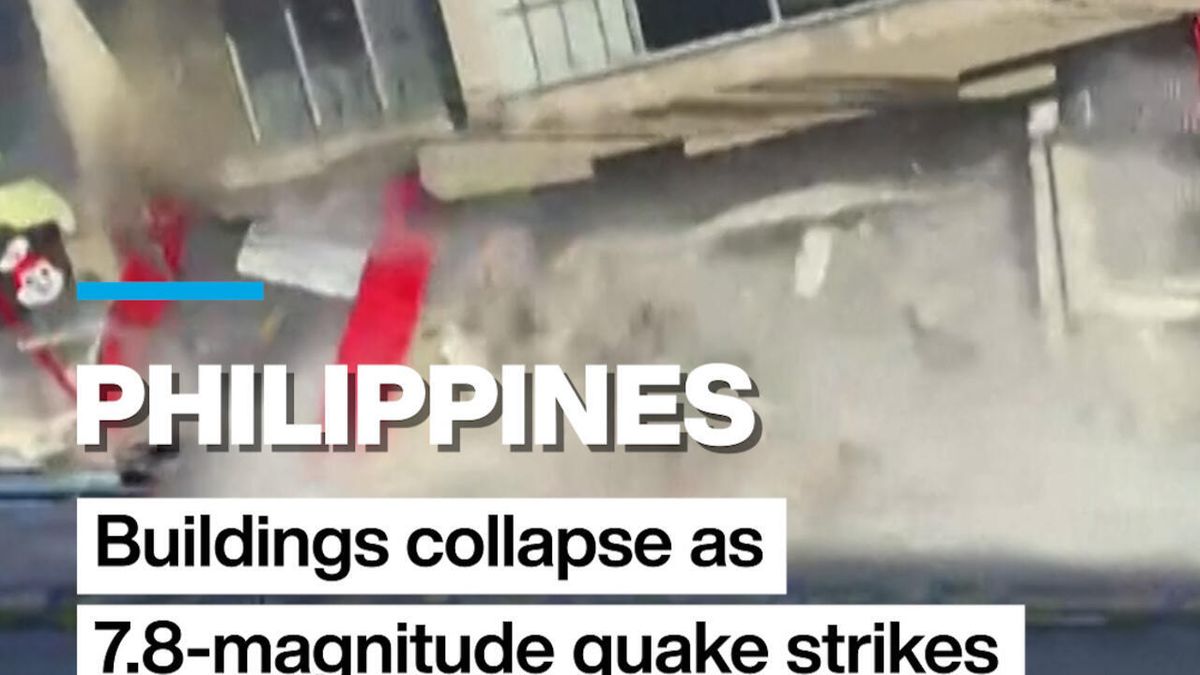
On Monday, June 8, 2026, a powerful 7.8-magnitude earthquake struck the southern regions of the Philippines, triggering widespread alarm and causing significant destruction. The seismic event, which occurred at approximately 13:04 local time, led to the collapse of multiple structures, including a fast-food restaurant and a school building, forcing residents to flee for safety. Initial reports confirmed at least 19 fatalities, a figure that subsequently rose to 31, highlighting the severe immediate impact on human life and infrastructure.
The epicenter of the quake was located in the southern Philippines, a region frequently exposed to seismic activity due to its geographical position along the Pacific Ring of Fire. This geological reality means the archipelago nation is one of the most earthquake-prone countries globally, regularly experiencing tremors of varying magnitudes. The intensity of this particular event, however, has drawn international attention to the ongoing challenges of disaster preparedness and resilience in a rapidly developing nation.
The immediate aftermath of such a powerful earthquake extends beyond the tragic loss of life and physical damage. From a geopolitical perspective, major natural disasters in strategically important regions like Southeast Asia often trigger a complex interplay of domestic governance challenges, international humanitarian response, and potential shifts in regional focus. The Philippines, a key U.S. ally and a central player in the South China Sea disputes, faces the immediate task of search and rescue, humanitarian aid distribution, and long-term reconstruction.
The economic ramifications are substantial. Damage to infrastructure, including roads, bridges, and communication networks, can severely disrupt local economies, supply chains, and agricultural activities. The cost of rebuilding and recovery will likely divert significant national resources, potentially impacting other development initiatives or defense spending. For a nation that relies heavily on tourism and remittances, any prolonged instability or perception of vulnerability can have cascading effects on its economic outlook.
The frequency of seismic events in the Philippines necessitates a robust and continuously evolving disaster preparedness framework. This includes stringent building codes, effective early warning systems, public education campaigns, and well-drilled emergency response protocols. The collapse of school structures, as reported, raises critical questions about the enforcement of these codes and the safety of public buildings, particularly those housing vulnerable populations like children.
Historically, major disasters in the Philippines have often prompted an outpouring of international humanitarian assistance. Countries like the United States, Japan, China, and Australia, among others, frequently provide aid, technical expertise, and financial support. Such assistance, while primarily humanitarian, also serves as a form of soft power diplomacy, strengthening bilateral ties and demonstrating international solidarity. The coordination of this aid, however, can present its own logistical and diplomatic challenges, requiring efficient communication and cooperation between the Philippine government and international partners.
Looking ahead, the long-term consequences of this earthquake will involve not only physical reconstruction but also the psychological recovery of affected communities and the reinforcement of national resilience strategies. The event serves as a stark reminder of the constant threat posed by natural hazards and the imperative for sustainable development that integrates disaster risk reduction. For the Philippines, a nation navigating complex regional security dynamics, maintaining internal stability and ensuring the well-being of its population is paramount. The government's effective management of this crisis will be crucial for maintaining public trust and demonstrating its capacity to govern effectively under duress. While not directly impacting regional security disputes, any significant internal disruption could indirectly affect the Philippines' capacity to project influence or engage fully on broader geopolitical issues in the short to medium term.
Source referenced: FRANCE24
This brief was synthesized by our Editorial Engine and reviewed by The Ground Narrative team.