TRENDING

Sunday, 25 October 2026
----------------------
14 Jumada Al-Awwal 1448 AH
The United States military has announced the completion of 'self-defense strikes' against Iranian military surveillance, communication, and air defense sites across Iran. These actions underscore escalating tensions in the Middle East, driven by threats to US forces and international shipping.
On Wednesday, June 11, 2026, the United States Central Command (CENTCOM) confirmed the execution of what it termed "self-defense strikes" against multiple military targets within Iran. The operations, involving assets from the U.S. Marine Corps, Air Force, and Navy, utilized precision munitions to target Iranian military surveillance capabilities, communication systems, and air defense sites across the country. This significant military action marks a direct engagement with Iranian state assets, signaling a notable escalation in the long-standing tensions between Washington and Tehran.
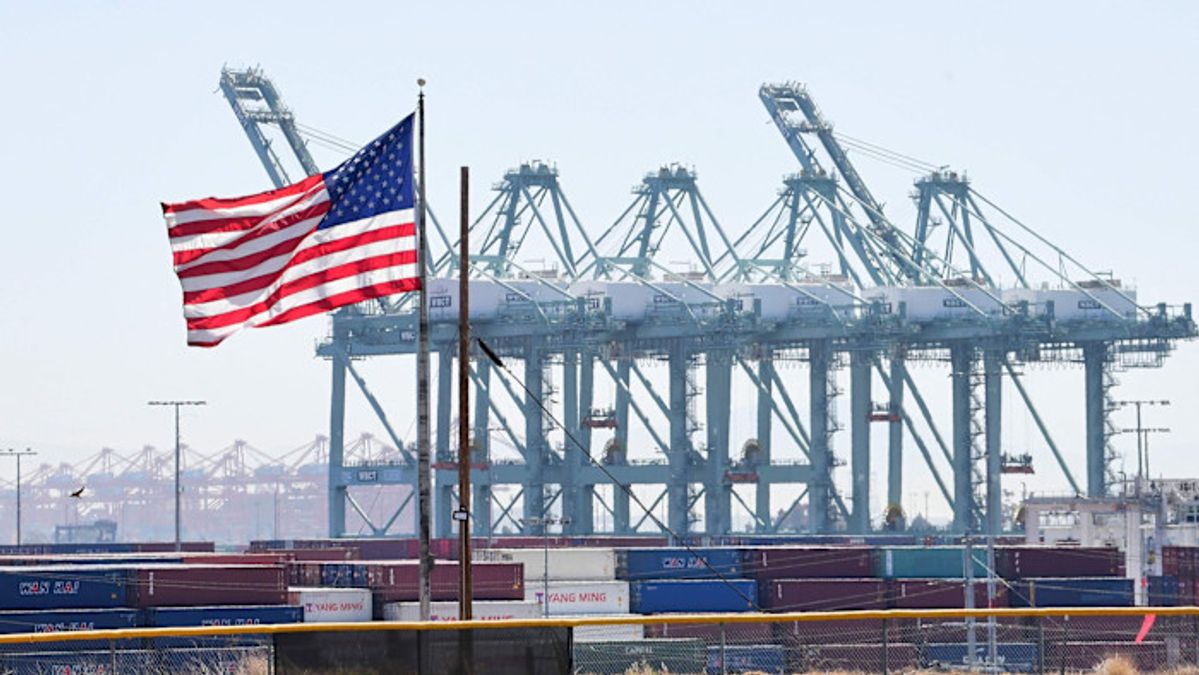
The stated rationale for these strikes, according to CENTCOM, was to neutralize threats posed by Iranian targets to "US forces and international commercial ships transiting regional waters." This justification places the strikes within the broader context of maritime security in critical waterways such as the Persian Gulf and the Strait of Hormuz, a vital chokepoint for global oil shipments. For years, the U.S. has maintained a robust military presence in the Middle East, citing the need to ensure regional stability, deter aggression, and safeguard international commerce against perceived threats, particularly from Iran and its proxies.
Iran's strategic posture in the region has frequently been characterized by efforts to expand its influence, challenge the U.S. presence, and potentially disrupt maritime traffic as a form of leverage. Previous incidents involving attacks on commercial vessels, drone incursions, and harassment of international shipping have been attributed to Iran or its allied groups, contributing to a volatile security environment. The U.S. response, framed as self-defense, suggests a direct retaliation or pre-emptive action aimed at degrading Iran's capacity to execute such operations or monitor U.S. and allied movements.
The selection of targets—surveillance capabilities, communication systems, and air defense sites—is strategically significant. By targeting these critical components, the U.S. military aims to diminish Iran's ability to monitor, coordinate, and respond to future actions in the region. Degrading surveillance assets would reduce Iran's situational awareness, while disrupting communication systems could hamper command and control. Strikes against air defense sites would aim to reduce Iran's ability to protect its airspace and assets, potentially creating a more permissive environment for future aerial operations if required.
The involvement of multiple U.S. service branches (Marine Corps, Air Force, and Navy) and the use of precision munitions underscore a coordinated and technologically advanced operation. This demonstrates the U.S.'s capacity to project power and conduct targeted strikes deep within Iranian territory, sending a clear message of deterrence and resolve to protect its interests and personnel in the region. Such a display of force is intended to alter Iran's risk calculus regarding its regional activities.
These direct strikes on Iranian military infrastructure carry a substantial risk of escalation. While the U.S. frames them as defensive, Iran is likely to view them as an act of aggression, potentially prompting a retaliatory response. Such a response could manifest directly against U.S. assets or personnel, or indirectly through proxy forces in Iraq, Syria, Yemen, or Lebanon. The Strait of Hormuz, already a flashpoint, could see increased tensions, potentially impacting global energy markets and shipping insurance rates.
Diplomatically, these actions will undoubtedly draw international reactions, with some nations expressing concern over regional destabilization, while others may support the U.S.'s stated aim of protecting maritime security. The strikes could further complicate any existing or future diplomatic efforts aimed at de-escalation or addressing Iran's nuclear program. The long-term implications for regional stability and the balance of power in the Middle East remain uncertain, as both Washington and Tehran navigate a delicate path between deterrence and the potential for broader conflict. The immediate aftermath will be closely watched for Iran's official response and any subsequent actions that could further shape the trajectory of U.S.-Iran relations and regional security.
Source referenced: CGTN
This brief was synthesized by our Editorial Engine and reviewed by The Ground Narrative team.