TRENDING

Thursday, 15 October 2026
----------------------
4 Jumada Al-Awwal 1448 AH
The US decision not to renew the USMCA trade pact has sent shockwaves through the North American trade landscape, with businesses and workers bracing for an uncertain future. The implications of this move extend beyond the US-Mexico border, threatening regional stability and global trade dynamics.
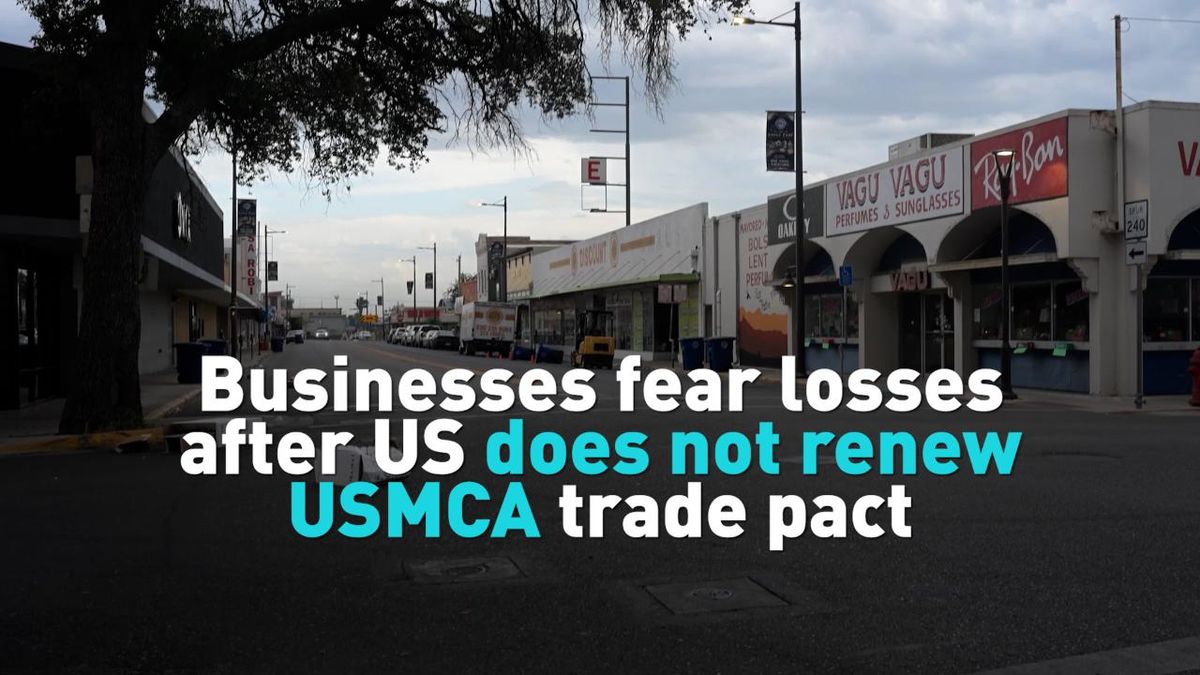
For over three decades, the US-Mexico border has been one of the world's busiest commercial corridors, thanks in large part to the North American Free Trade Agreement (NAFTA) and its successor, the United States-Mexico-Canada Agreement (USMCA). This trade pact has facilitated the exchange of goods and services between the US, Mexico, and Canada, fostering economic integration and cooperation.
On July 1, 2026, the US government announced its decision not to renew the USMCA trade pact, sending shockwaves through the North American trade landscape. This move has left businesses and workers who depend on cross-border commerce preparing for an uncertain future. The implications of this decision extend beyond the US-Mexico border, threatening regional stability and global trade dynamics.
The US decision to abandon the USMCA trade pact can be seen as a manifestation of protectionist and economic nationalist policies. The US government may be attempting to renegotiate trade terms to favor domestic industries and workers, potentially at the expense of its North American trading partners. This move could be a response to growing concerns about the impact of globalization on domestic employment and economic security.
The USMCA trade pact was signed in 2020, replacing NAFTA. The agreement aimed to modernize trade rules, address concerns about labor and environmental standards, and promote economic cooperation between the three countries. However, the US decision to abandon the pact suggests that the US government may be reevaluating its commitment to these principles.
The non-renewal of the USMCA trade pact will likely have significant economic consequences for the US, Mexico, and Canada. Businesses and workers may face increased costs, reduced trade volumes, and potential job losses. In response, these countries may seek to diversify their trade relationships, potentially with other regions, such as the European Union or Asia-Pacific nations.
The US decision to abandon the USMCA trade pact has significant implications for global trade dynamics and regional stability. The move may embolden other nations to pursue protectionist policies, potentially leading to a trade war. The consequences of this decision will be felt beyond North America, affecting global supply chains, economic growth, and regional stability.
The US non-renewal of the USMCA trade pact is a significant development with far-reaching implications for North American trade and regional stability. As the situation unfolds, it is essential to monitor the responses of the US, Mexico, and Canada, as well as other nations, to understand the full extent of this decision's impact on global trade dynamics.
Editor's Note: The analysis is based on publicly available information and may not reflect the full complexity of the situation.
Source referenced: CGTN
This brief was synthesized by our Editorial Engine and reviewed by The Ground Narrative team.


