TRENDING

Sunday, 20 September 2026
----------------------
9 Rabi' Al-Thani 1448 AH
The US military's depleted munitions stockpiles amid the war on Iran have sparked concerns over the country's strategic disadvantage, with experts warning of a heightened risk of miscalculations and decreased deterrence capabilities. As the US scrambles to replenish its stockpiles, the human cost of the war continues to mount, with civilians and soldiers alike bearing the brunt of the conflict.
The US military's munitions stockpiles have been severely depleted amid the ongoing war on Iran, with reports indicating that the military has burned through nearly all of its offensive Army Tactical Missile Systems (ATACMSs) and Precision Strike Missiles (PrSMs). The depletion of these critical munitions has sparked concerns over the US's strategic disadvantage, with experts warning of a heightened risk of miscalculations and decreased deterrence capabilities.
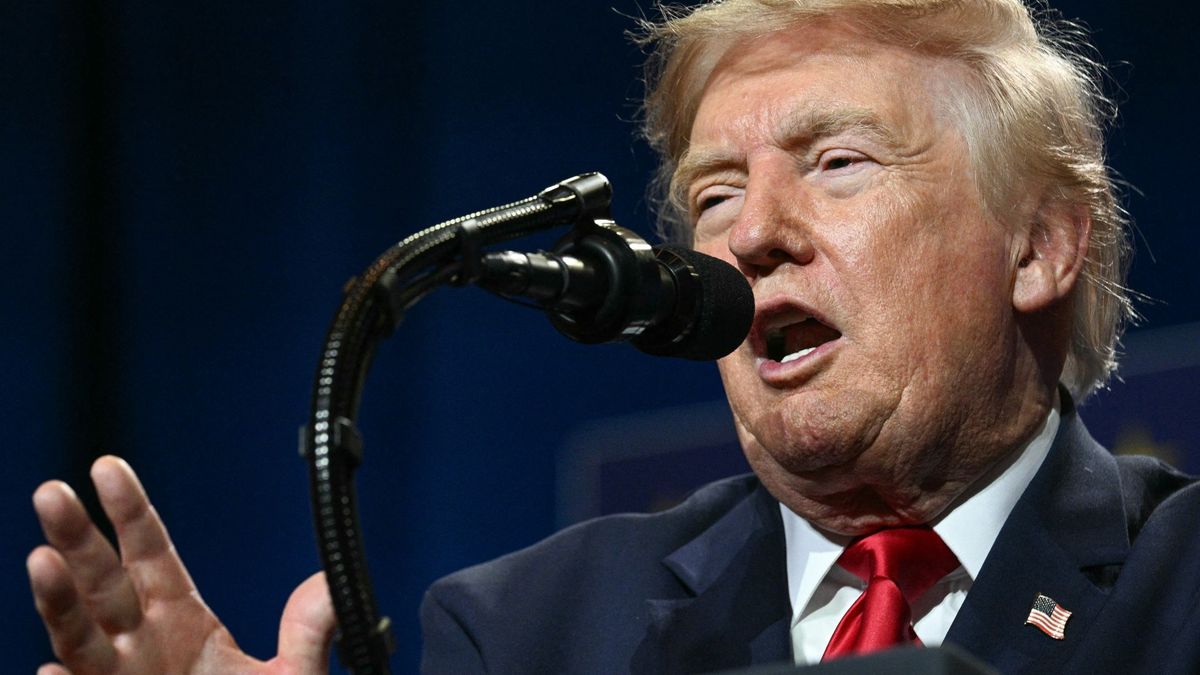
The US's reliance on its military prowess to project power and maintain its global influence has created a sense of urgency around replenishing its munitions stockpiles. However, the process of replenishment is expected to take years, leaving the US vulnerable to potential threats from adversaries like China. The power dynamics at play are complex, with the US's defense contractors playing a critical role in manufacturing and shipping munitions to the military. The Trump administration's response to the crisis, including the president's vows to hunt down 'leakers' and his defense of Secretary of Defense Pete Hegseth, has further complicated the situation.
The human cost of the war on Iran continues to mount, with civilians and soldiers alike bearing the brunt of the conflict. The depletion of munitions stockpiles has increased the likelihood of miscalculations, which could lead to further escalation and loss of life. The killing of three US soldiers in an Iranian strike on a military base in Jordan has underscored the risks faced by military personnel, while the civilian population in Iran and surrounding countries continues to suffer under the weight of the conflict.
What is being downplayed by the US government is the severity of the munitions shortage and its potential consequences for global security. The Trump administration's claims that the US is receiving weapons shipments from abroad have not been substantiated, and experts warn that even with an influx of funding, it will likely take at least three years to restore Patriot and THAAD interceptors to pre-war levels. The US's decreased deterrence capabilities against military powers like China have significant implications for regional and global security, and the potential for miscalculations and further escalation is high.
As the situation continues to unfold, readers should watch for signs of further escalation, including increased military deployments and rhetoric from the US and its adversaries. The replenishment of munitions stockpiles will be a critical factor in determining the trajectory of the conflict, and any signs of progress or setbacks in this regard should be closely monitored. Additionally, the Trump administration's response to the crisis, including its handling of 'leakers' and its relationship with defense contractors, will be crucial in determining the outcome of the conflict.
Editor's Note: The analysis is based on publicly available information and may not reflect the full complexity of the situation.
Source referenced: ALJAZEERA
This brief was synthesized by our Editorial Engine and reviewed by The Ground Narrative team.


