TRENDING

Friday, 11 September 2026
----------------------
29 Rabi' Al-Awwal 1448 AH
The United States and Iran are reportedly close to signing an initial peace agreement aimed at ending hostilities and reopening the Strait of Hormuz, though timelines remain disputed. The potential deal emerges amidst ongoing regional conflicts and significant skepticism from key allies and domestic political factions.
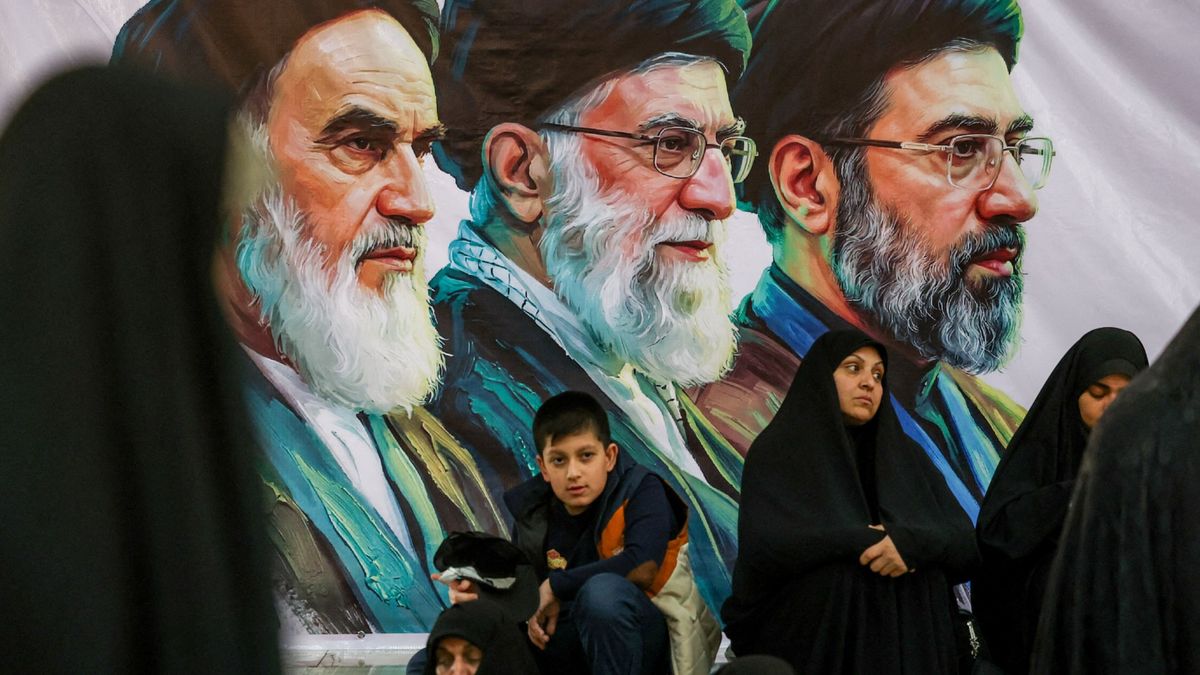
After 107 days of an ongoing conflict, the United States and Iran appear to be on the cusp of signing the first stage of a peace deal, a development that could significantly alter the geopolitical landscape of the Middle East. Reports from Washington and Tehran, corroborated by mediators from Pakistan, indicate that a Memorandum of Understanding (MoU) is being finalized, though the exact signing date remains a point of contention between the parties.
U.S. President Donald Trump and Pakistani Prime Minister Shehbaz Sharif have suggested an imminent signing, with Trump indicating it could occur as early as Sunday, June 15, 2026. However, Iran's Ministry of Foreign Affairs has stated that while an agreement is close, the Sunday timeline is inaccurate, with an exact date yet to be determined. Despite this discrepancy, Iranian Foreign Ministry spokesman Esmaeil Baghaei acknowledged the possibility of the agreement being finalized "in the coming days."
Iranian Foreign Minister Abbas Araghchi outlined that the proposed agreement comprises 14 points. Crucially, the first point involves the lifting of the U.S. blockade on Iranian ports, a significant economic concession for Tehran. The MoU also reportedly calls for an immediate cessation of hostilities across all fronts, including in Lebanon, and a mutual commitment not to initiate war or use force. A major strategic outcome, as highlighted by President Trump, would be the immediate reopening of the Strait of Hormuz, a vital global oil artery that Iran has reportedly blocked during the conflict.
The current conflict, which Israeli Prime Minister Benjamin Netanyahu reportedly launched in tandem with the U.S. in February, follows a previous "12-day war" in June of the preceding year. Iranian officials, including main negotiator Mohammad Bagher Ghalibaf and President Masoud Pezeshkian, have framed the current negotiations as a testament to Iran's resilience and unity, asserting that Israeli aims to weaken the nation have failed.
The prospect of a deal has been met with a mixed reception, particularly from regional actors. In Israel, Prime Minister Netanyahu has expressed deep skepticism, stating that President Trump had promised him any agreement would include the removal of enriched nuclear material from Iran. This condition, if not met in the initial stage, could become a significant point of contention and a potential spoiler for future phases of a peace process. Israeli commentators have voiced concerns that the deal could empower Iran, undermining recent military gains against groups like Hamas and Hezbollah.
Indeed, despite the diplomatic overtures, hostilities in the region persist. Al Jazeera reported continued Israeli attacks in Lebanon, resulting in casualties, while Hezbollah claimed to be targeting advancing Israeli soldiers. Concurrently, the U.S. military's Central Command (CENTCOM) reported downing multiple Iranian one-way attack drones targeting commercial ships transiting the Strait of Hormuz, underscoring the fragility of the ceasefire efforts even as negotiations progress.
In the United States, Democratic lawmakers have also voiced skepticism regarding the deal's efficacy. Senator Adam Schiff described the potential agreement as a "surrender document," expressing concerns that President Trump's declaration of the war being over might be premature, citing a history of unfulfilled promises.
The potential agreement represents a critical juncture in U.S.-Iran relations and broader Middle Eastern geopolitics. For the U.S., securing the Strait of Hormuz and de-escalating a protracted conflict holds significant economic and strategic value. For Iran, the lifting of the blockade on its ports would provide a much-needed economic lifeline and a diplomatic victory, reinforcing its regional standing.
However, the discrepancies in timelines, the ongoing regional violence, and the strong skepticism from key allies like Israel and domestic political factions highlight the complex and potentially fragile nature of this initial agreement. The success of this "first stage" deal will largely depend on its implementation, the willingness of all parties to adhere to its terms, and the ability to address deeper, unresolved issues, particularly concerning Iran's nuclear program and its regional proxy networks. The path to a comprehensive and lasting peace in the Middle East remains fraught with challenges, even as this tentative step towards de-escalation is taken.
Source referenced: ALJAZEERA
This brief was synthesized by our Editorial Engine and reviewed by The Ground Narrative team.


