TRENDING

Thursday, 10 September 2026
----------------------
28 Rabi' Al-Awwal 1448 AH
China is rapidly expanding its cultural and educational footprint in Slovakia, leveraging visa-free travel and institutional partnerships. This analysis uncovers the power dynamics behind these 'people-to-people' exchanges and their potential long-term implications for ordinary Slovaks and the wider EU.
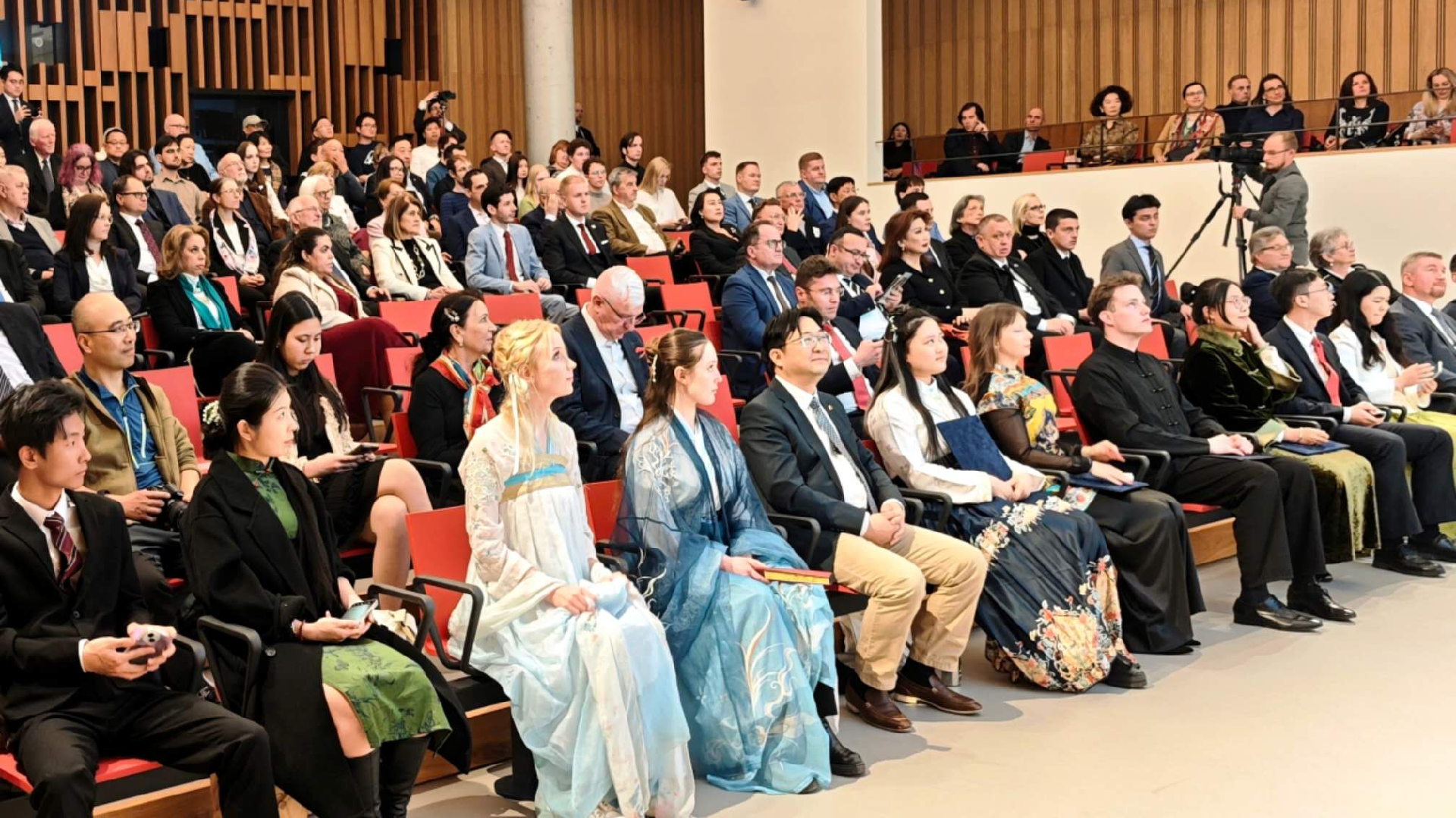
China and Slovakia are significantly expanding their "people-to-people" exchanges, marked by Beijing's unilateral visa-free entry for Slovak citizens and a surge in cultural and educational initiatives. These efforts include the celebration of Chinese festivals in Bratislava, a bilateral agreement on bilingual education, and the establishment of China Culture Communication Centers. Confucius Institutes and university partnerships are also playing a central role, aiming to deepen mutual understanding and foster closer ties between the two nations.
This deepening relationship is a calculated move by Beijing to extend its influence within the European Union, particularly among Central and Eastern European (CEEC) states. For China, cultural diplomacy, often termed soft power, serves as a crucial entry point to build long-term goodwill, counter Western narratives, and lay groundwork for future economic and political alignments. By fostering cultural familiarity and language proficiency, China cultivates a receptive environment for its economic initiatives, such as the Belt and Road, and potentially gains future political allies within the EU. Slovakia, a smaller EU member, is incentivized by the promise of economic benefits, including increased tourism and business cooperation, as explicitly stated by its Foreign Minister. In a period of "global challenges," diversifying partnerships beyond traditional Western alliances can appear attractive, offering new avenues for trade, investment, and educational opportunities. This dynamic allows China to subtly create fissures within the EU's often-unified front on Beijing, leveraging bilateral engagement to advance its broader strategic interests in Europe.
While presented as mutually beneficial, the human cost of such deepening ties often falls on the ordinary citizens of the smaller partner nation. Slovak citizens, particularly students and those entering the workforce, might find themselves increasingly exposed to narratives and educational content curated by Beijing, which may subtly shape their understanding of global affairs and China's role in them. The integration of Chinese language and culture into the official curriculum, and training programs for "employees of Chinese enterprises operating in Slovakia," suggests a long-term effort to align Slovakia's human capital with China's economic and cultural interests. This can lead to a gradual, almost imperceptible, shift in national identity and foreign policy orientation, without direct public debate on the broader geopolitical implications. The promise of economic opportunity, while tangible, can also create a degree of economic dependency, making it harder for Slovakia to diverge from Beijing's interests in the future without incurring significant costs.
Official statements from both sides emphasize mutual understanding and cultural enrichment, but they largely omit the strategic underpinnings of these "people-to-people" exchanges. The concept of "soft power" is often a precursor to, or intertwined with, "sharp power" – the use of manipulative diplomatic and economic policies to influence and coerce. Confucius Institutes, for instance, have faced international scrutiny for promoting a specific political narrative and potentially limiting academic freedom, a dimension entirely absent from the celebratory descriptions. Furthermore, the cultural and educational initiatives are not isolated; they are often part of a broader strategy to facilitate deeper economic integration, including investments in critical infrastructure and technology. The article alludes to "business cooperation" and "talent-training programs for Chinese-invested enterprises," but does not delve into the potential long-term economic dependencies or the political leverage that Beijing might gain through such arrangements. For Slovakia, an EU and NATO member, the cultivation of future elites and public opinion through these channels could subtly influence its geopolitical alignment, potentially shifting its foreign policy away from a purely Western-centric view over time.
Readers should closely observe how other major EU capitals and Brussels respond to Slovakia's deepening engagement with China. Any perceived undermining of a common EU foreign policy or security interests could trigger diplomatic friction. Domestically, watch for further Chinese investments in Slovakia, particularly in sensitive sectors like technology, energy, or infrastructure, and the terms under which these investments are made. Pay attention to shifts in Slovakia's public discourse regarding China, and whether the educational and cultural initiatives lead to a more pronounced pro-Beijing stance among its future leaders. Finally, monitor whether other Central and Eastern European countries, many of whom have had mixed experiences with China's "17+1" initiative, choose to follow Slovakia's path or pull back from similar engagements, indicating a broader trend in the region's relationship with Beijing.


