TRENDING

Thursday, 15 October 2026
----------------------
4 Jumada Al-Awwal 1448 AH
US President Donald Trump's sudden reversal on imposing tolls on commercial shipping through the Strait of Hormuz has sparked debate on the motivations behind his decision and its potential consequences for regional stability and global trade.
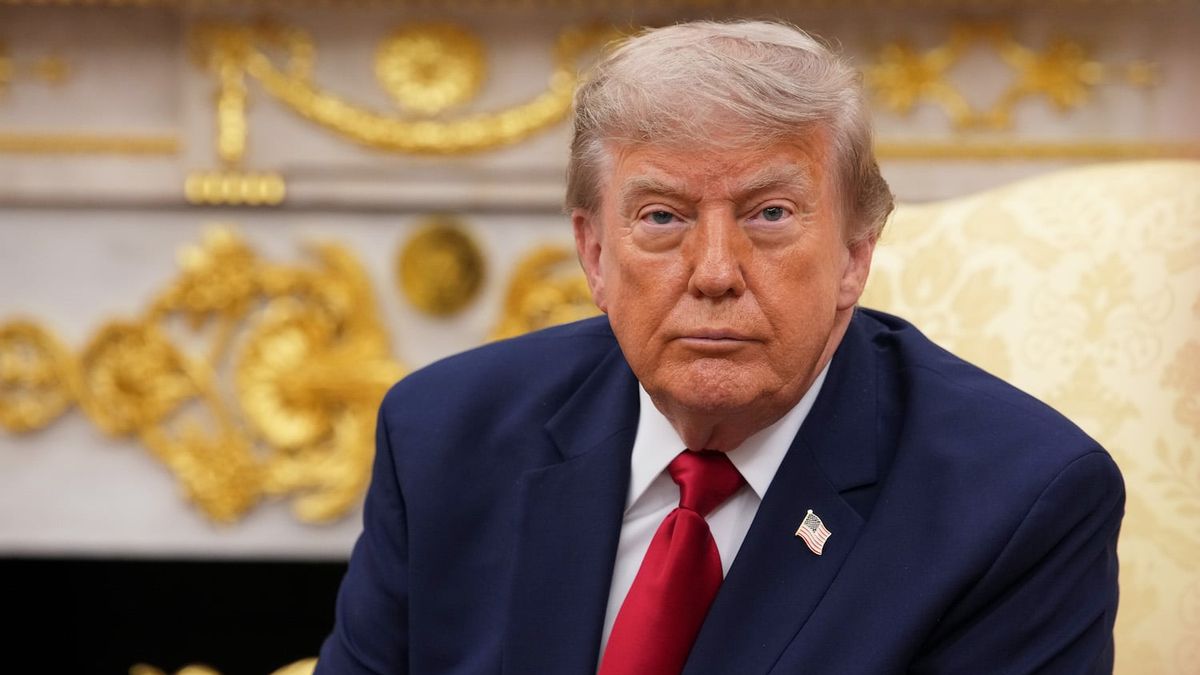
US President Donald Trump's decision to abandon his plan to impose tolls on commercial shipping through the Strait of Hormuz has sent shockwaves through the international community. The sudden reversal has raised questions about the motivations behind Trump's decision and its potential consequences for regional stability and global trade.
The Strait of Hormuz is a critical waterway that connects the Persian Gulf to the Gulf of Oman, and it is a vital shipping route for oil exports from the Middle East. The strait has been a source of tension between Iran and the US, with Iran's Revolutionary Guard Corps (IRGC) having threatened to block the strait in the past. In recent months, the US has been increasing its military presence in the region, with the aim of countering Iranian aggression.
On Monday, Trump announced his intention to impose a 20% toll on all commercial shipping through the Strait of Hormuz, citing the need for the US to be reimbursed for its security services. The proposed toll would have generated around $240 million a day, according to Reuters data. However, the plan was met with fierce condemnation from international organizations and global shipping companies, which argued that any US effort to charge fees would violate international law.
Within 24 hours of announcing his initial plan, Trump reversed course, citing pressure from Gulf leaders. In a statement on Truth Social, Trump claimed that he had decided to replace the proposed toll with trade and investment deals that the Gulf states would make with the US. Trump claimed that these deals would create millions of high-paying jobs for US citizens and be "extraordinarily good" for Gulf countries.
The sudden reversal of Trump's plan has significant implications for the Middle East and beyond. The move has been seen as a victory for Gulf leaders, who had been opposed to the proposed toll. However, it also raises questions about the motivations behind Trump's decision and the potential consequences for regional stability.
One possible explanation for Trump's reversal is that he was under pressure from Gulf leaders to abandon the proposed toll. The Gulf states have been seeking to reduce their dependence on the US and have been exploring alternative security arrangements. By abandoning the toll, Trump may have been trying to appease these concerns and maintain good relations with the Gulf states.
Another possible explanation is that Trump's reversal was driven by a desire to maintain a strong military presence in the region. The US has been increasing its military presence in the Middle East in recent months, and Trump's reversal may have been an attempt to justify this presence by claiming that the US is providing security services to the Gulf states.
The implications of Trump's reversal are far-reaching and complex. The move has been seen as a victory for Gulf leaders, but it also raises questions about the potential consequences for regional stability. The Gulf states have been seeking to reduce their dependence on the US and have been exploring alternative security arrangements. By abandoning the toll, Trump may have been trying to appease these concerns and maintain good relations with the Gulf states.
However, the move also raises concerns about the potential for increased tensions in the region. The US has been increasing its military presence in the Middle East in recent months, and Trump's reversal may have been an attempt to justify this presence by claiming that the US is providing security services to the Gulf states. This could lead to increased tensions between the US and Iran, which has been opposed to the US military presence in the region.
The implications of Trump's reversal are not limited to the Middle East. The move has significant implications for global trade and security. The Strait of Hormuz is a critical waterway that connects the Persian Gulf to the Gulf of Oman, and it is a vital shipping route for oil exports from the Middle East. The proposed toll would have generated around $240 million a day, according to Reuters data. By abandoning the toll, Trump may have been trying to maintain good relations with the Gulf states and avoid a potential trade war.
However, the move also raises concerns about the potential for increased tensions in the region. The US has been increasing its military presence in the Middle East in recent months, and Trump's reversal may have been an attempt to justify this presence by claiming that the US is providing security services to the Gulf states. This could lead to increased tensions between the US and Iran, which has been opposed to the US military presence in the region.
Trump's reversal on imposing tolls on commercial shipping through the Strait of Hormuz has significant implications for the Middle East and beyond. The move has been seen as a victory for Gulf leaders, but it also raises questions about the motivations behind Trump's decision and the potential consequences for regional stability and global trade. The implications of Trump's reversal are far-reaching and complex, and they will continue to be felt in the coming weeks and months.
The future consequences of Trump's reversal are uncertain, but they are likely to be significant. The move has been seen as a victory for Gulf leaders, but it also raises concerns about the potential for increased tensions in the region. The US has been increasing its military presence in the Middle East in recent months, and Trump's reversal may have been an attempt to justify this presence by claiming that the US is providing security services to the Gulf states. This could lead to increased tensions between the US and Iran, which has been opposed to the US military presence in the region.
The implications of Trump's reversal are not limited to the Middle East. The move has significant implications for global trade and security. The Strait of Hormuz is a critical waterway that connects the Persian Gulf to the Gulf of Oman, and it is a vital shipping route for oil exports from the Middle East. The proposed toll would have generated around $240 million a day, according to Reuters data. By abandoning the toll, Trump may have been trying to maintain good relations with the Gulf states and avoid a potential trade war.
Editor's Note: The analysis of Trump's reversal on imposing tolls on commercial shipping through the Strait of Hormuz is based on publicly available information and is subject to change as new information becomes available.
Source referenced: FOREIGNPOLICY
This brief was synthesized by our Editorial Engine and reviewed by The Ground Narrative team.