TRENDING

Friday, 16 October 2026
----------------------
5 Jumada Al-Awwal 1448 AH
The Trump administration has turned over withheld evidence to Minneapolis prosecutors regarding the fatal shootings of two U.S. citizens and the wounding of an immigrant by federal agents, following months of jurisdictional disputes and a state lawsuit. This development marks a critical moment in the ongoing battle over federal law enforcement accountability and state sovereignty.
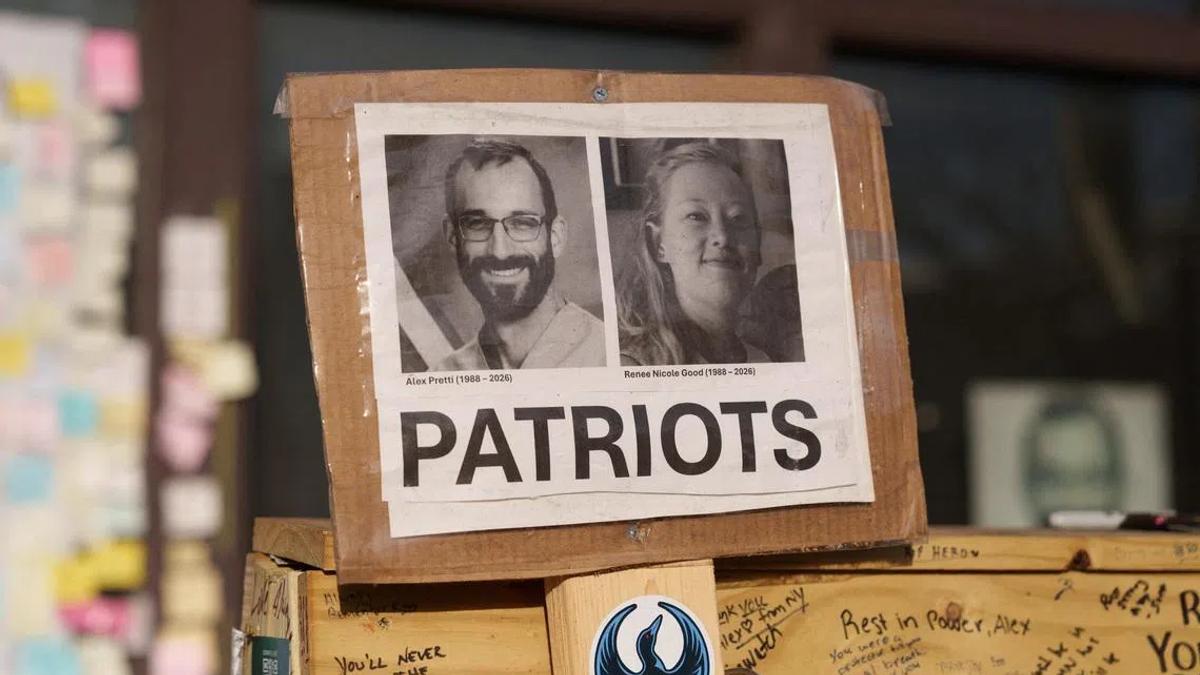
The recent decision by the U.S. President Donald Trump's administration to turn over previously withheld evidence to Minneapolis prosecutors marks a significant development in a contentious legal and political battle over federal law enforcement accountability and state sovereignty. This move, occurring on July 13, 2026, after six months of intense jurisdictional disputes and a state-initiated lawsuit, pertains to the fatal shootings of U.S. citizens Renee Good and Alex Pretti, and the wounding of Venezuelan citizen Julio Sosa-Celis, by immigration agents during "Operation Metro Surge" in January.
At the heart of this matter lies a fundamental tension within the U.S. federal system: the extent of state prosecutorial power over federal agents. Following the January incidents, federal officials, including the U.S. Department of Justice and Department of Homeland Security, initially declined state requests for evidence. They asserted that only federal authorities should investigate federal agents and incorrectly claimed "blanket immunity" from state prosecutions. This stance abruptly ended the usual evidence-sharing cooperation between federal and state law enforcement, prompting Hennepin County Attorney Mary Moriarty to file a lawsuit against the Trump administration to compel the release of information.
The federal government's initial refusal to cooperate underscored a broader assertion of federal supremacy in matters of national security and immigration enforcement, often at odds with state-level demands for transparency and accountability. Moriarty's persistent pursuit of the evidence, culminating in a lawsuit, highlights the critical role of state judicial systems in upholding the rule of law and ensuring that all individuals, including federal agents, are subject to legal scrutiny for actions taken within state borders. Her statement, "Our community needs it... Our democracy requires it," encapsulates the public interest in maintaining checks and balances on governmental power.
The shootings occurred during "Operation Metro Surge," a Trump administration initiative launched last winter that deployed hundreds of armed immigration agents to patrol Minnesota's cities, ostensibly to capture immigrants for deportation. This aggressive enforcement strategy was met with strong condemnation from Minnesota's Democratic leaders, who alleged widespread violations of Minnesotans' constitutional rights and vowed to pursue accountability.
Renee Good was fatally shot in her vehicle on January 7, and Alex Pretti was killed on a street during protests on January 24. Both were U.S. citizens. Julio Sosa-Celis, a Venezuelan citizen, was shot and wounded in the leg by an ICE agent on January 14. These incidents, particularly the deaths of U.S. citizens during immigration sweeps, ignited public outrage and fueled the political opposition to the operation. In response to the growing controversy, the Trump administration announced in February that it was ending "Operation Metro Surge" in Minnesota, shifting its focus from mass sweeps to more targeted enforcement operations. This policy adjustment, while seemingly a concession, did not resolve the underlying legal and accountability questions stemming from the January shootings.
The turnover of "voluminous" evidence, including body camera videos and other digital material, is a crucial step towards potential state prosecutions. While Hennepin County Attorney Moriarty's office is still investigating the killings of Good and Pretti, she has already brought charges against ICE agent Christian Castro under Minnesota law for the shooting of Sosa-Celis, including four counts of second-degree assault and one count of falsely reporting a crime.
Bringing state prosecutions against federal law enforcement agents is notoriously difficult and rare. Federal law allows the U.S. Department of Justice to seek the transfer of such proceedings from state to federal court if it argues the agent was acting within the scope of their lawful duties. This mechanism often complicates state efforts to hold federal agents accountable, potentially shifting the legal battleground to a more favorable federal jurisdiction. However, the willingness of federal officials to "consider changing course" and provide the evidence, even under legal pressure, suggests a recognition of the need for some level of cooperation and transparency. The outcome of these potential state prosecutions could set important precedents for future federal-state interactions regarding law enforcement accountability and the limits of federal authority.
This case transcends a mere local legal dispute, touching upon significant national and, by extension, geopolitical themes. The aggressive immigration enforcement tactics, exemplified by "Operation Metro Surge," reflect a broader nationalistic and border security-focused approach that has characterized the Trump administration's policy. The ensuing conflict with state authorities and the public outcry highlight the domestic challenges and divisions inherent in such policies.
Furthermore, the incidents underscore ongoing concerns about the use of force by federal agents and the protection of civil liberties, not only for immigrants but also for U.S. citizens caught in the crossfire of enforcement operations. The recent fatal shootings of Lorenzo Salgado Araujo, a Mexican man, in Houston last week, and another individual in Biddeford, Maine, on Monday, during encounters with U.S. immigration agents, indicate that the issues of agent conduct and accountability remain pressing and widespread. These incidents contribute to a national discourse on immigration, law enforcement oversight, and the balance of power between different levels of government, all of which have implications for the U.S.'s internal stability and its image on the global stage regarding human rights and the rule of law.
In conclusion, the evidence turnover in Minneapolis represents a critical juncture in the ongoing struggle for accountability for federal law enforcement actions. It underscores the persistent tension between federal and state powers, the profound impact of immigration policies on communities, and the enduring importance of judicial oversight in a democratic society. The resolution of these cases will not only determine justice for the victims but also shape the future landscape of federal-state cooperation and the parameters of law enforcement authority in the United States.
Source referenced: STRAITSTIMES
This brief was synthesized by our Editorial Engine and reviewed by The Ground Narrative team.