TRENDING

Monday, 5 October 2026
----------------------
24 Rabi' Al-Thani 1448 AH
The recent agreement between the US and Iran aimed to reopen the Strait of Hormuz, but the crisis has shattered confidence in the waterway, highlighting the growing role of geopolitics in the energy sector.
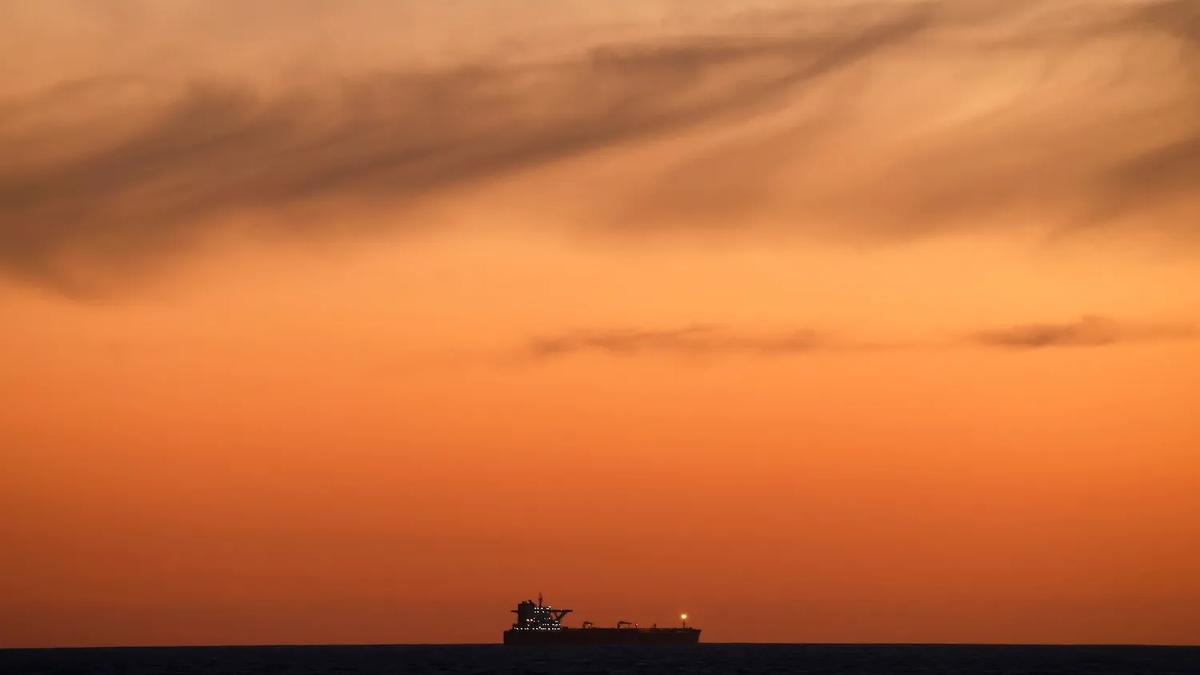
The recent agreement between the United States and Iran aimed to reopen the Strait of Hormuz, a critical waterway for international oil and gas trade. However, the crisis has shattered confidence in the waterway, highlighting the growing role of geopolitics in the energy sector. This shift has significant implications for the global energy map, which is being redrawn in real-time.
The Strait of Hormuz was once considered a trouble-free trade route, with a fifth of the world's oil and gas supplies flowing through it. However, the Iran war turned the strait into a treacherous gauntlet, and the recent agreement has not fully restored confidence in the waterway. This has led to a fundamental shift in the international energy architecture, challenging the basic premise of interdependence on which it was built.
The energy sector has always been intertwined with geopolitics, but in recent decades, the trend toward globalization and more open markets had made business and economics the driving forces. However, the recent events have shown that trade in energy and other commodities is becoming increasingly geopolitical, with implications across the energy system and beyond.
The confidence in the Strait of Hormuz has been shattered, and trust is now among the most important commodities in the energy world. Companies and countries will place new geopolitical risk premiums on supplies coming via routes that once seemed to be safe bets. Price will be weighed against predictability, and the search for alternative routes to market has already begun.
Producers in the Middle East are looking for additional alternative routes to market, while outside the region, producers are expanding their access to other markets. Consumers, on the other hand, will prioritize making the overall delivery system more resilient, moving from a "just-in-time" approach to a "just-in-case" one. However, this comes with additional costs and potential trade-offs with the affordability of energy supplies.
The global energy map is being redrawn in real-time, and the question of who trusts whom will shape the contours that emerge. The implications of this shift will be long-lasting, with the energy sector becoming increasingly shaped by geopolitical forces rather than business and economic considerations.
The recent crisis in the Strait of Hormuz has shattered confidence in the waterway, highlighting the growing role of geopolitics in the energy sector. The shift has significant implications for the global energy map, which is being redrawn in real-time. As the world moves forward, it is essential to understand the long-term consequences of this shift and the implications for the energy sector and beyond.
Editor's Note: While the implications of this shift are significant, the long-term consequences are uncertain and will depend on various factors, including the outcome of the Iran-US negotiations and the response of other countries in the region.
Source referenced: FOREIGNPOLICY
This brief was synthesized by our Editorial Engine and reviewed by The Ground Narrative team.