TRENDING

Wednesday, 7 October 2026
----------------------
26 Rabi' Al-Thani 1448 AH
A fragile ceasefire between the United States and Iran has collapsed following Iranian attacks on commercial vessels in the Strait of Hormuz, prompting US retaliatory strikes and renewed regional instability. This escalation underscores Iran's strategic use of asymmetric warfare and the critical geopolitical importance of the waterway.
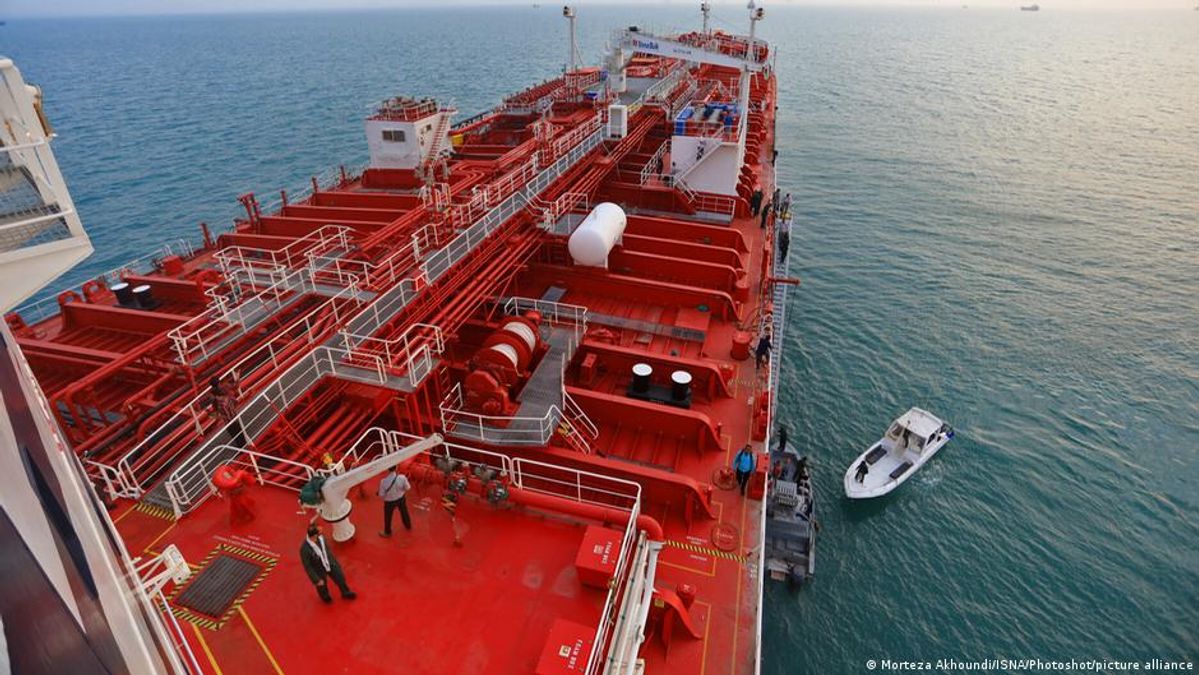
The fragile ceasefire between the United States and Iran, established just last month, has dramatically unraveled, plunging the Persian Gulf region back into direct military confrontation. The escalation began on Tuesday with Iran's Islamic Revolutionary Guard Corps (IRGC) striking at least three commercial vessels, including a Saudi oil tanker and a Qatari liquefied natural gas (LNG) carrier, in the strategically vital Strait of Hormuz. This act of aggression prompted immediate and severe retaliation from the United States.
In response to the attacks, the U.S. revoked a temporary sanctions waiver on Iranian oil exports, a significant concession that had allowed Tehran to resume oil sales after a previous U.S. Navy blockade. Concurrently, U.S. Central Command (CENTCOM) launched extensive retaliatory strikes. On Wednesday, CENTCOM reported hitting over 80 targets in Iran, including air defense systems, radars, and more than 60 small boats utilized by the IRGC for harassing shipping. A subsequent round of strikes on Thursday targeted approximately 90 additional sites. CENTCOM stated its objective was to "impose heavy costs for targeting and attacking commercial shipping crewed by innocent civilians in an international waterway."
Iran swiftly responded to the U.S. actions, launching fresh missile strikes on Gulf nations, with air raid sirens and explosions reported in Bahrain and Kuwait on Wednesday and Thursday. The renewed hostilities have brought commercial shipping through the Strait of Hormuz to a halt once again, as confirmed by shipping tracking data, raising immediate concerns for global energy markets.
Tehran's decision to target commercial shipping in the Strait of Hormuz is rooted in a long-standing strategy to leverage its geographical position and asymmetric capabilities against superior conventional forces. The Strait, a narrow chokepoint, historically facilitated the passage of a fifth of the world's oil and gas exports. Iran, controlling the northern shore and several strategic islands, views this waterway as its primary "trump card" in negotiations and a means to exert pressure on the U.S. and its regional allies.
This latest provocation follows a period of stalled peace talks concerning critical issues such as long-term U.S. sanctions relief and Iran's nuclear ambitions. Iran has consistently used disruptions in the Strait, alongside strikes on Gulf nations like Saudi Arabia, the United Arab Emirates, and Qatar, to signal its resolve and impose a regional cost for the ongoing conflict. The current escalation also echoes previous events, such as Iran's effective closure of the strait following U.S.-Israeli airstrikes that killed several Iranian officials, including Supreme Leader Ali Khamenei, on February 28.
Given the decimation of Iran's conventional military capabilities by repeated U.S.-Israeli strikes, Tehran relies heavily on asymmetric warfare. This involves the deployment of fast-attack boats, coastal missiles, mines, and drones to disrupt global energy supplies without engaging in a full-scale naval battle. Reports also indicate Iran has attempted to levy illegal tolls for passage through its designated shipping lane, further asserting its perceived control over the waterway.
While Iran's actions aim to project strength and leverage, its position is not without significant vulnerabilities. The U.S. response, particularly the revocation of the sanctions waiver and the potential re-establishment of a naval blockade, directly targets Iran's vital oil export revenues. Despite Tehran's use of a shadow fleet to export oil, primarily to China, at below-market prices, the loss of the waiver and renewed blockade risks pushing the Iranian economy towards full collapse. The Foundation for Defense of Democracies estimates Iran has already suffered $144 billion in economic damage from the conflict, with its currency, the rial, plummeting to record lows and inflation surging.
International reactions to the escalation have been swift. U.S. President Donald Trump declared the memorandum of understanding (MOU) with Iran "over," expressing frustration with Tehran. China and Qatar have called for immediate de-escalation, while German Defense Minister Boris Pistorius urged Iran to cease its provocative actions. Maritime security firms like MARISKS have warned that the tit-for-tat actions mark a "return to direct military confrontation" and substantially increase the probability of further escalation.
The current trajectory suggests a high probability of continued confrontation. Iran's Parliament Speaker Mohammad Bagher Qalibaf's defiant statement, "The era of bullying and extortion is over. It leads nowhere. We don’t fold," indicates Tehran's unwillingness to back down. While oil prices have already risen by 5% due to the instability, experts like Dennis Citrinowicz of the Atlantic Council suggest that further U.S. strikes are unlikely to alter Iran's strategy and instead risk pushing both sides further away from a negotiated outcome. The immediate future of the Strait of Hormuz, and indeed regional stability, remains precarious, with the potential for broader conflict looming as both sides appear entrenched in their positions.
Editor's Note: The raw article references 'Donald Trump' as the current US President and dates in 'July 2026'. This analysis proceeds based on the factual premise presented in the source material, without questioning the specific timeline or political context implied by these dates.
Source referenced: DW
This brief was synthesized by our Editorial Engine and reviewed by The Ground Narrative team.