TRENDING

Tuesday, 6 October 2026
----------------------
25 Rabi' Al-Thani 1448 AH
A global shortage of memory chips, primarily driven by surging demand from the artificial intelligence sector, is causing a steady increase in consumer electronics prices worldwide. This trend highlights critical vulnerabilities in global supply chains and intensifies technological competition among nations.
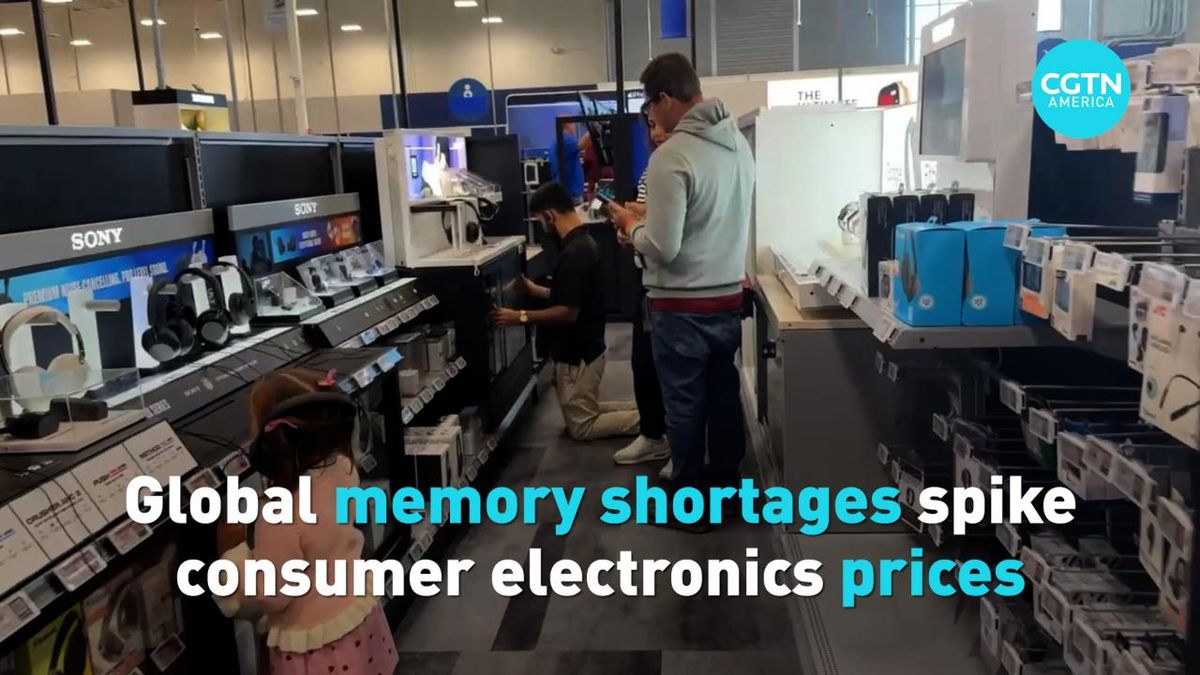
As of July 2026, the global economy is grappling with a significant challenge: a persistent shortage of memory chips, which is steadily driving up the prices of consumer electronics worldwide. This phenomenon, as reported by CGTN, is directly attributed to the escalating demand from the artificial intelligence (AI) sector, underscoring a critical intersection of technological advancement, economic stability, and geopolitical competition.
The core of the current crisis lies in the unprecedented growth of artificial intelligence. AI systems, from large language models to advanced data analytics and autonomous technologies, require immense computational power and, consequently, vast quantities of high-performance memory chips. These chips, including DRAM (Dynamic Random-Access Memory) and NAND flash, are fundamental components for data centers, AI accelerators, and a wide array of smart devices. The rapid expansion of AI research, development, and deployment across industries has created an insatiable demand that current manufacturing capacities are struggling to meet. This surge in demand is not merely incremental; it represents a paradigm shift in technological resource allocation, prioritizing the foundational infrastructure for AI over traditional consumer electronics applications.
The memory chip industry is characterized by a high degree of concentration, with a few key players, predominantly located in South Korea, Taiwan, and the United States, dominating production. This geographical concentration, while fostering efficiency and specialization, simultaneously creates significant vulnerabilities in the global supply chain. Any disruption, whether from geopolitical tensions, natural disasters, or, as in this case, a sudden and massive shift in demand, can have cascading effects across the global economy. The current shortage highlights the precarious balance of global manufacturing and the inherent risks of relying on a limited number of production hubs for critical components. Nations are increasingly recognizing the strategic imperative of securing their access to these vital technologies, leading to discussions about reshoring production and diversifying supply chains.
The most immediate and tangible consequence of the memory chip shortage is the rising cost of consumer electronics. From smartphones and laptops to gaming consoles and smart home devices, products reliant on memory chips are becoming more expensive for the average consumer. This contributes to inflationary pressures in economies already navigating post-pandemic recovery and geopolitical uncertainties. For manufacturers, the shortage translates into higher input costs, potential production delays, and reduced profit margins, forcing them to either absorb costs or pass them on to consumers. This economic ripple effect can dampen consumer spending, impact the profitability of major tech companies, and potentially slow down the broader digital economy.
Beyond economic concerns, the memory chip shortage carries significant geopolitical weight. Artificial intelligence is widely considered a strategic technology, crucial for national security, economic competitiveness, and future innovation. Nations vying for leadership in AI recognize that control over, or reliable access to, advanced semiconductor manufacturing is paramount. The current situation intensifies the global race for technological sovereignty, prompting governments to invest heavily in domestic chip production capabilities, research and development, and talent acquisition. This competition is not just commercial; it is a strategic contest for future power and influence, where access to critical hardware like memory chips can be a decisive factor.
In response to such vulnerabilities, governments worldwide are likely to accelerate efforts to bolster their domestic semiconductor industries through subsidies, tax incentives, and strategic partnerships. Initiatives like the U.S. CHIPS Act and similar programs in Europe and Asia aim to reduce reliance on concentrated supply chains and secure a more resilient future for critical technologies. However, building advanced fabrication plants is a multi-year, multi-billion-dollar endeavor, meaning that the current memory chip shortage, driven by AI's relentless expansion, is likely to persist for the foreseeable future. The long-term outlook suggests a continued re-evaluation of global supply chain resilience, with an increasing emphasis on strategic autonomy in key technological sectors.
Source referenced: CGTN
This brief was synthesized by our Editorial Engine and reviewed by The Ground Narrative team.