TRENDING

Tuesday, 13 October 2026
----------------------
2 Jumada Al-Awwal 1448 AH
South Africa has processed over 53,000 foreign nationals for deportation and repatriation in a fortnight, signaling a significant escalation in its migration management strategy. This large-scale operation highlights domestic pressures and regional migration dynamics within Southern Africa.
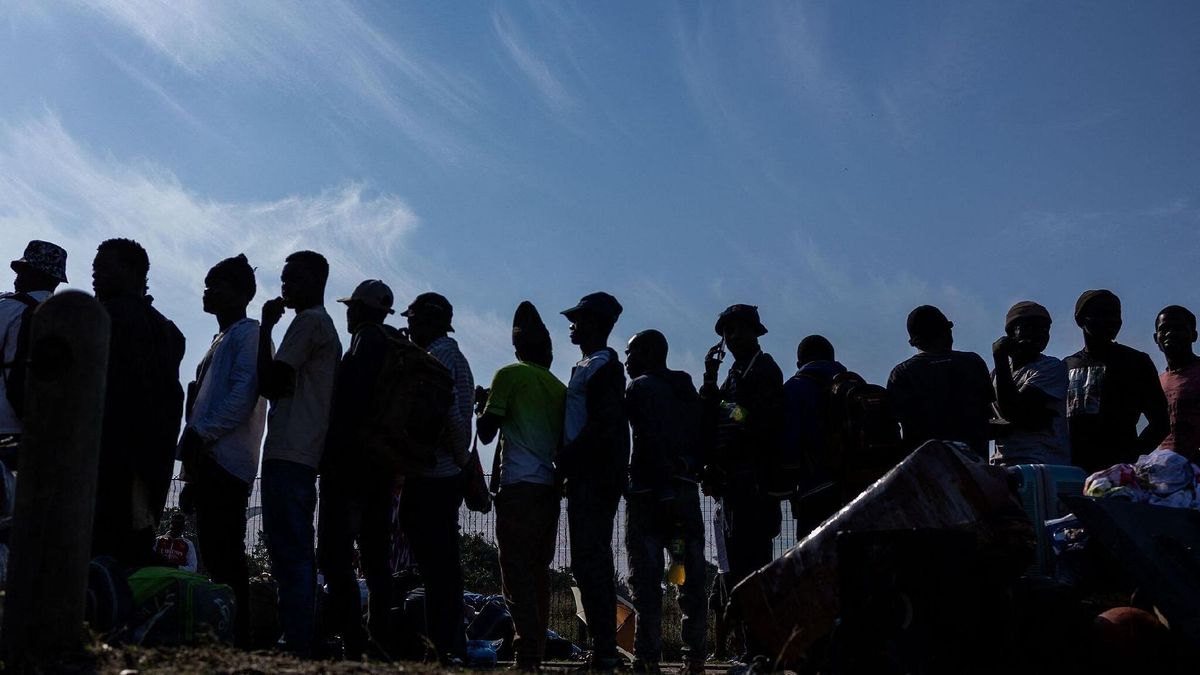
South Africa has recently undertaken a substantial operation, processing 53,449 foreign nationals for deportation and repatriation within a period of just a few weeks, as announced by Mmamoloko Kubayi, the Minister of Justice and Constitutional Development and Chair of the Inter-Ministerial Committee on Migration (IMC). This aggressive enforcement drive, detailed in Pretoria, underscores a significant tightening of the nation's immigration controls and border security measures.
The initiative is part of the government's broader five-point migration management strategy, which aims to curb violations of immigration laws. The majority of those processed for repatriation originate from neighboring Southern African Development Community (SADC) countries, primarily Malawi, Zimbabwe, and Mozambique. However, the scope of enforcement extends beyond the immediate region, with thousands of individuals also processed for return to countries further north in Africa, including Nigeria, Uganda, Kenya, and the Republic of the Congo.
This large-scale repatriation effort is not an isolated event but rather a reflection of complex geopolitical and socio-economic pressures confronting South Africa. Historically, South Africa has been a primary destination for economic migrants and asylum seekers from across the African continent, drawn by its relatively stronger economy and perceived opportunities. However, this influx has also contributed to significant domestic challenges, including high unemployment rates, strain on public services, and social tensions, which have at times manifested in xenophobic violence.
The government's intensified stance on undocumented migration can be interpreted as a response to these internal pressures. By strengthening border security and tightening immigration controls, Pretoria aims to address public discontent and manage the perceived socio-economic burden. The operation, therefore, serves a dual purpose: to enforce national sovereignty and to alleviate domestic strain.
While addressing internal concerns, South Africa's actions carry significant regional implications. The mass repatriation of citizens from SADC member states, particularly Malawi, Zimbabwe, and Mozambique, highlights the persistent economic disparities within the region. These countries often face their own challenges of poverty, unemployment, and political instability, which act as push factors for outward migration.
Such large-scale repatriations, while legally permissible under national immigration laws, can strain diplomatic relations with sending countries. Effective coordination and communication between South Africa and the affected nations are crucial to ensure the humane treatment of repatriated individuals and to manage the logistical complexities of their reintegration. The ongoing operation at facilities like the Musina Repatriation Centre, near the Beitbridge border with Zimbabwe, operating at full capacity due to a steady arrival of undocumented migrants, underscores the continuous nature of this regional migration challenge.
The current wave of repatriations signals a more assertive and sustained approach by the South African government towards migration management. This trajectory suggests that South Africa is likely to continue prioritizing stricter enforcement of immigration laws and border controls in the foreseeable future. The long-term effectiveness of this strategy, however, will depend not only on enforcement but also on addressing the root causes of migration, both within South Africa and in the sending countries.
From a geopolitical perspective, this development could prompt greater regional cooperation on migration issues, potentially leading to more structured agreements or shared responsibilities among SADC members. Alternatively, it could exacerbate existing tensions if not managed diplomatically. The emphasis on curbing immigration violations, as articulated by Minister Kubayi, indicates a policy shift that prioritizes national control and security, potentially reshaping the dynamics of human mobility across Southern Africa for years to come.
Source referenced: CGTN
This brief was synthesized by our Editorial Engine and reviewed by The Ground Narrative team.