TRENDING

Sunday, 25 October 2026
----------------------
14 Jumada Al-Awwal 1448 AH
A viral video depicting Senegal's national football team undergoing security checks at a U.S. airport, alongside an AI-generated image, has sparked international debate on perceived discrimination and U.S. entry policies. The incident, coupled with a Somali referee's denial of entry, highlights the delicate balance between security, diplomacy, and public perception ahead of the 2026 FIFA World Cup.
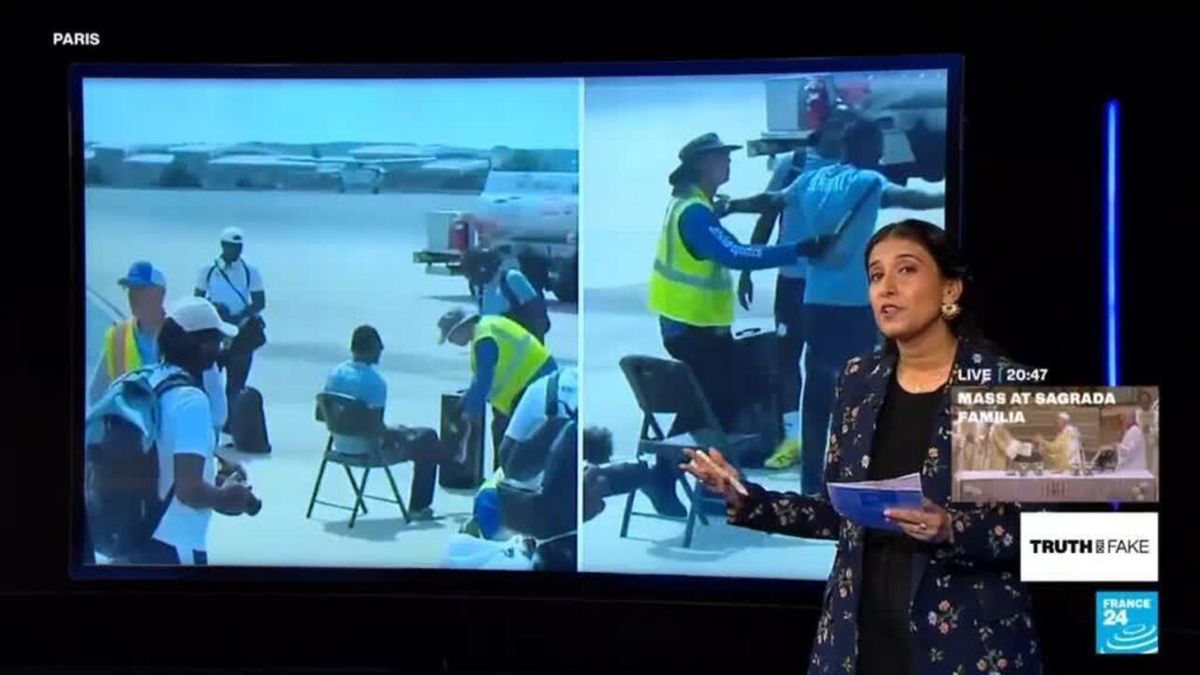
The recent viral circulation of a video depicting the Senegalese national football team undergoing security checks at a U.S. airport, coupled with an AI-generated image of their coach, has ignited a significant international discussion. While fact-checking has clarified several aspects of these incidents, the broader implications extend beyond mere airport protocol, touching upon critical themes of international relations, soft power, the pervasive influence of misinformation, and the delicate balance between national security and diplomatic courtesy. These events, occurring in the lead-up to the 2026 FIFA World Cup, underscore the sensitivities surrounding major global events and the perceptions they generate.
The controversy began with a video widely shared online, showing members of Senegal's national football team, known as the Lions of Teranga, being subjected to security screening on a U.S. airport tarmac. The footage depicted players removing their shoes, undergoing metal detector scans, and having their bags inspected. Internet users swiftly condemned the scene, alleging "criminal" treatment and "unapologetic racism," particularly given the team's status as a prominent national delegation en route to a major international sporting event.
Further fueling the outrage was a viral photograph purportedly showing Coach Pape Thiaw being frisked on the tarmac. However, subsequent fact-checking revealed crucial details. The Senegalese Football Federation issued a communiqué clarifying that the tarmac arrangement was "primarily intended to optimize the delegation's travel time and facilitate boarding of the private flight to San Antonio," where they were scheduled to play a warm-up friendly against Saudi Arabia. Furthermore, the video was filmed in Raleigh, North Carolina, not San Antonio, as the team boarded their flight. Critically, the image of Coach Thiaw was identified as AI-generated, bearing a Google SynthID digital watermark, indicating its artificial origin. This highlights the increasing challenge of distinguishing authentic content from fabricated imagery in the digital sphere, especially when narratives are emotionally charged.
These incidents did not occur in isolation. They were amplified by a separate, yet related, event involving Somali referee Omar Artan. Despite being recognized as Africa's best male referee last year and possessing a diplomatic passport and visa, Artan was reportedly denied entry to the U.S. and sent home just days prior to the viral video's circulation. This denial of entry for a high-profile African official, particularly one with diplomatic credentials, likely "fanned the flames" of the public's reaction to the Senegalese team's video, reinforcing a narrative of potential discriminatory or overly stringent U.S. entry regulations affecting African delegates and citizens.
The confluence of these events carries significant geopolitical weight.
For the United States, a co-host of the upcoming 2026 FIFA World Cup, incidents that generate negative perceptions can undermine its soft power and international image. Sporting events are powerful platforms for cultural exchange and diplomacy. Perceived mistreatment of national teams or officials, regardless of the underlying reasons, can overshadow the positive aspects of hosting and create diplomatic friction. The narrative of "unapologetic racism" or excessive security, even if partially based on misinterpretations or fabrications, can damage the U.S.'s standing, particularly among African nations.
The incidents resonate deeply within the context of U.S.-Africa relations. Senegal is a key partner in West Africa, and its national football team is a profound source of national pride. Any perceived slight or discriminatory treatment can be interpreted as a broader disrespect towards African nations and their citizens. Such perceptions can complicate diplomatic efforts, trade relations, and security cooperation, potentially fostering resentment and distrust. The denial of entry for a respected African referee further exacerbates these concerns, raising questions about the consistency and fairness of U.S. immigration and security policies.
The events highlight the persistent tension between national security imperatives and the need to uphold the dignity and respect of international travelers, especially official delegations. While robust security protocols are standard at airports globally, the manner and location of their application can significantly impact perception. The explanation of "optimizing travel time" for a tarmac search, while potentially efficient, did not prevent the widespread interpretation of the measures as humiliating or excessive, particularly when contrasted with how other, often Western, teams might be perceived to be treated.
The role of the AI-generated image in amplifying the controversy underscores the growing challenge of misinformation in the digital age. Viral content, whether authentic or fabricated, can rapidly shape public opinion and international narratives, often outpacing official clarifications. This necessitates a proactive and transparent approach to digital diplomacy, where governments and organizations must quickly and effectively counter false narratives to prevent long-term damage to their reputations and relationships.
These incidents add to a growing list of criticisms surrounding the 2026 FIFA World Cup, including concerns over sky-high ticket prices, questions of political neutrality, and U.S. entry regulations that have already reportedly prevented many fans from top teams, including Senegal and Ivory Coast, from attending. The perceived difficulties faced by players and officials further complicate the narrative around the tournament's accessibility and inclusivity, potentially impacting its overall success and legacy.
The controversy surrounding the Senegalese football team and the Somali referee serves as a potent reminder of the complex interplay between security, diplomacy, and public perception in an interconnected world. While fact-checking clarified the specifics of the airport incident, the broader narrative of perceived discrimination and stringent entry policies continues to resonate. These events underscore the critical importance of clear communication, cultural sensitivity, and effective digital diplomacy for nations hosting major international events, as the impact of viral content and perceived slights can have far-reaching geopolitical consequences, influencing international relations and national image long after the immediate headlines fade.
Source referenced: FRANCE24
This brief was synthesized by our Editorial Engine and reviewed by The Ground Narrative team.