TRENDING

Tuesday, 22 September 2026
----------------------
11 Rabi' Al-Thani 1448 AH
A significant diplomatic crisis has erupted between Poland and Ukraine after Polish President Karol Nawrocki stripped Ukrainian President Volodymyr Zelenskyy of Poland's highest honor, prompting top Ukrainian officials to return their own Polish awards. The dispute, rooted in historical grievances over a World War II-era Ukrainian nationalist militia, threatens to strain a crucial strategic partnership amidst Russia's ongoing aggression.
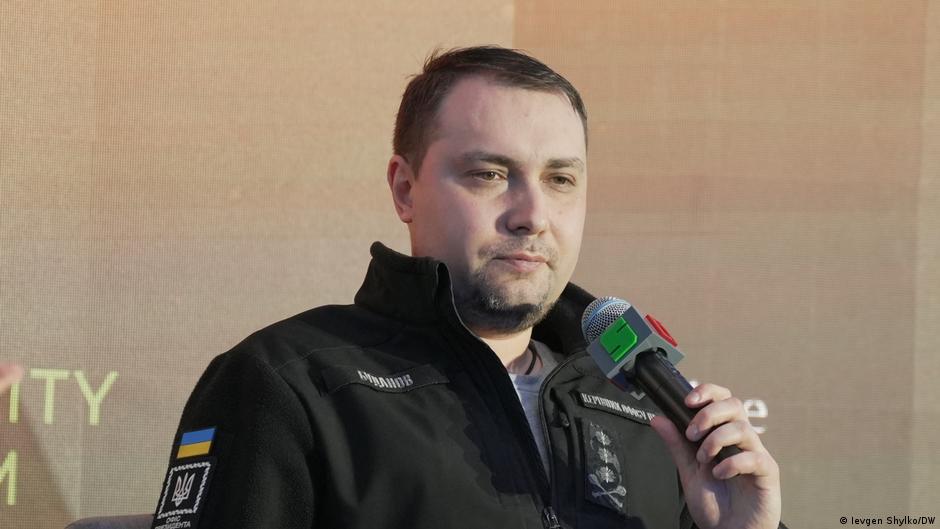
A profound diplomatic rift has emerged between Poland and Ukraine, two nations that have stood as critical allies against Russian aggression since the full-scale invasion began in February 2022. The crisis escalated following Polish President Karol Nawrocki's decision on Friday to strip Ukrainian President Volodymyr Zelenskyy of the Order of the White Eagle, Poland's highest state honor, which had been bestowed by former President Andrzej Duda in 2023. In a swift and unified response on Saturday, several top Ukrainian officials, including Zelenskyy's chief of staff Kyrylo Budanov, Ambassador to Warsaw Vasyl Bodnar, and Foreign Minister Andriy Sybiga, announced they were returning their own Polish state honors in protest.
This escalating dispute carries significant geopolitical implications, threatening to undermine the solidarity of the anti-Kremlin coalition at a critical juncture in the ongoing conflict. Ukrainian officials have vocally condemned Nawrocki's move, with Budanov asserting it was "not about justice" and a "gift to the Moscow aggressor." Sybiga echoed this sentiment, labeling it a "strategic mistake… that benefits only Moscow." These reactions underscore Kyiv's deep concern that internal divisions among its allies could be exploited by Russia, potentially weakening international support for Ukraine's defense.
The immediate catalyst for this diplomatic escalation lies in a deeply sensitive historical issue: Zelenskyy's decision to name a Ukrainian military unit after the Ukrainian Insurgent Army (UPA). The UPA was a World War II-era nationalist militia that, while fighting for Ukrainian independence, is accused by Warsaw of participating in massacres of Poles, particularly in the Volhynia region. For Poland, the memory of these events remains a profound national trauma, and any perceived glorification of the UPA is met with strong condemnation.
President Nawrocki's decision, therefore, reflects a prioritization of historical memory and national grievance within Polish domestic politics. While he affirmed that the move would not affect Poland's continued support for Ukraine's defense against Russia, the symbolic weight of stripping a wartime leader of his nation's highest honor is undeniable. This action highlights the persistent challenge of reconciling complex and often painful shared histories with the urgent demands of contemporary geopolitical alliances, particularly when facing a common existential threat.
Poland has been an indispensable partner for Ukraine since the outset of the full-scale invasion. It has served as a primary logistical hub for Western military and humanitarian aid, hosted hundreds of thousands of Ukrainian refugees, and been a vocal advocate for Ukraine's Euro-Atlantic integration. The current diplomatic friction risks straining this vital relationship, potentially complicating future cooperation on aid, logistics, and diplomatic initiatives.
Polish Prime Minister Donald Tusk, a political rival of President Nawrocki, publicly urged both countries to preserve their solidarity, warning that a dispute between Poland and Ukraine "delights Putin and shocks our allies." Tusk's statement underscores the broader concern among Western partners that any visible cracks in the alliance could be leveraged by the Kremlin to sow further discord and undermine the collective resolve against Russian aggression. Moscow has historically sought to exploit historical grievances and nationalistic sentiments within Eastern Europe to weaken regional cohesion.
This incident also brings into focus the delicate balance between national historical narratives and the imperative of present-day strategic unity. For Ukraine, the UPA is often viewed within a broader context of fighting for independence against both Soviet and Nazi occupation, a narrative that sometimes clashes with Polish interpretations focusing on atrocities committed against Poles. Navigating these differing historical perspectives while maintaining a united front against a common enemy is a complex diplomatic challenge that both nations must address.
The immediate future of Polish-Ukrainian relations will depend on the ability of both governments to de-escalate this diplomatic crisis. While President Nawrocki stated that Poland's support for Ukraine's defense remains unchanged, the symbolic actions taken by both sides have created a palpable sense of tension. The challenge now is to prevent this historical dispute from translating into tangible reductions in cooperation or a weakening of the broader international coalition supporting Ukraine.
As the war in Ukraine continues, marked by intensified attacks from both sides—such as the recent Russian airstrike on Kharkiv and extensive drone interceptions—the need for unwavering allied support remains paramount. Any perception of division or weakening resolve among Ukraine's key partners could embolden Russia and complicate efforts to achieve a just and lasting peace. The incident serves as a stark reminder that even the strongest alliances can be tested by the weight of history and the complexities of national identity, particularly during times of war.