TRENDING

Sunday, 25 October 2026
----------------------
14 Jumada Al-Awwal 1448 AH
Israeli Prime Minister Benjamin Netanyahu's call to Lebanese citizens to join Israel's fight against Hezbollah has escalated tensions in the region, raising concerns about the future of the fragile ceasefire and the potential for further conflict.
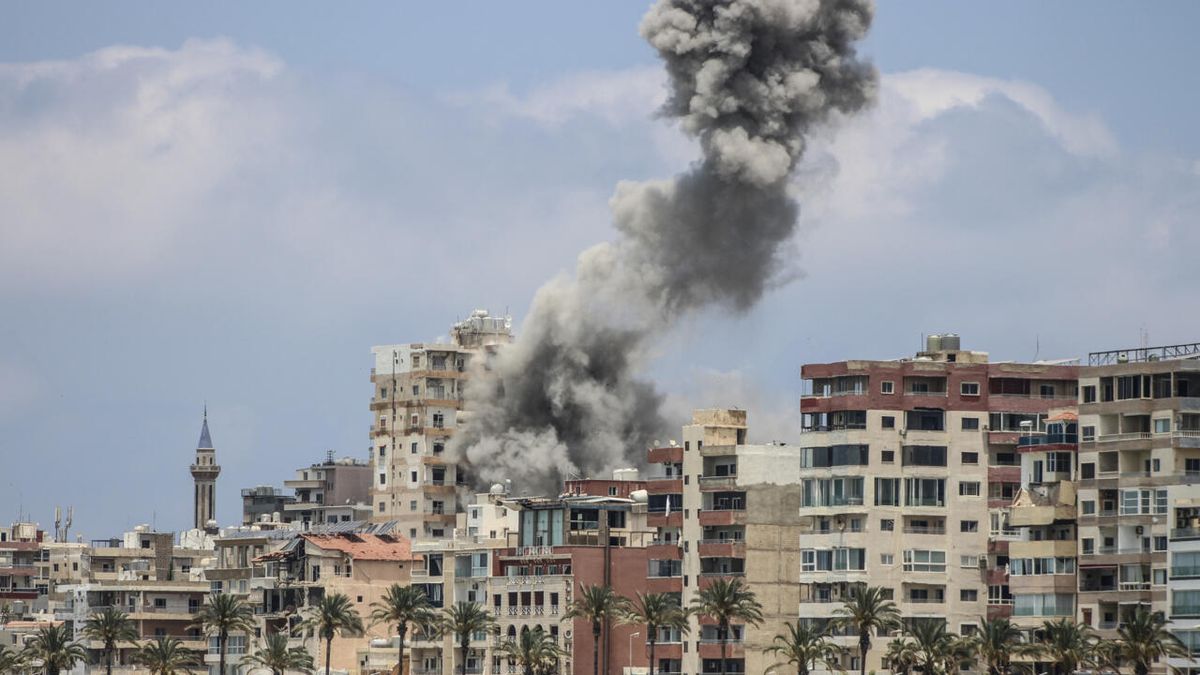
Israeli airstrikes in southern Lebanon killed 12 people on Wednesday, as Israeli Prime Minister Benjamin Netanyahu urged Lebanese citizens to join Israel's fight against Hezbollah. The escalation in violence comes despite an April ceasefire and a conditional truce announced last week.
The conflict between Israel and Hezbollah has its roots in the 2006 Lebanon War, which was sparked by Hezbollah's capture of two Israeli soldiers. Since then, the group has maintained a significant presence in Lebanon, and its rocket fire against Israel has been a recurring issue. The current conflict is part of a larger regional struggle between Iran and its allies, including Hezbollah, and the United States and its allies, including Israel.
Netanyahu's call to Lebanese citizens to join Israel's fight against Hezbollah is a significant development in the conflict. By urging Lebanese citizens to join the fight, Netanyahu is attempting to create a sense of shared purpose and to undermine Hezbollah's support among the Lebanese population. However, this move also risks further escalating tensions and potentially drawing more Lebanese civilians into the conflict.
The regional reaction to Netanyahu's call to arms has been mixed. Iran has condemned the Israeli airstrikes and has warned of a "severe" response. Hezbollah has also rejected the conditional truce deal announced last week, which stipulated a "complete cessation" of Hezbollah fire but did not mention a halt to Israeli strikes. The Lebanese government has called for calm and has urged both sides to respect the ceasefire.
The future consequences of Netanyahu's call to arms are uncertain. If Lebanese citizens do join the fight against Hezbollah, it could potentially lead to further escalation and more civilian casualties. On the other hand, if Hezbollah is able to maintain its support among the Lebanese population, it could potentially undermine Netanyahu's efforts to create a sense of shared purpose.
The conflict between Israel and Hezbollah is a complex and multifaceted issue, with deep historical and regional roots. Netanyahu's call to arms has escalated tensions and raised concerns about the future of the fragile ceasefire. As the situation continues to unfold, it is essential to remain vigilant and to monitor the situation closely.
Source referenced: FRANCE24
This brief was synthesized by our Editorial Engine and reviewed by The Ground Narrative team.