TRENDING

Sunday, 25 October 2026
----------------------
14 Jumada Al-Awwal 1448 AH
Iran's closure of the Strait of Hormuz in response to US attacks marks a significant escalation in the ongoing conflict, with far-reaching implications for regional stability and global energy markets.
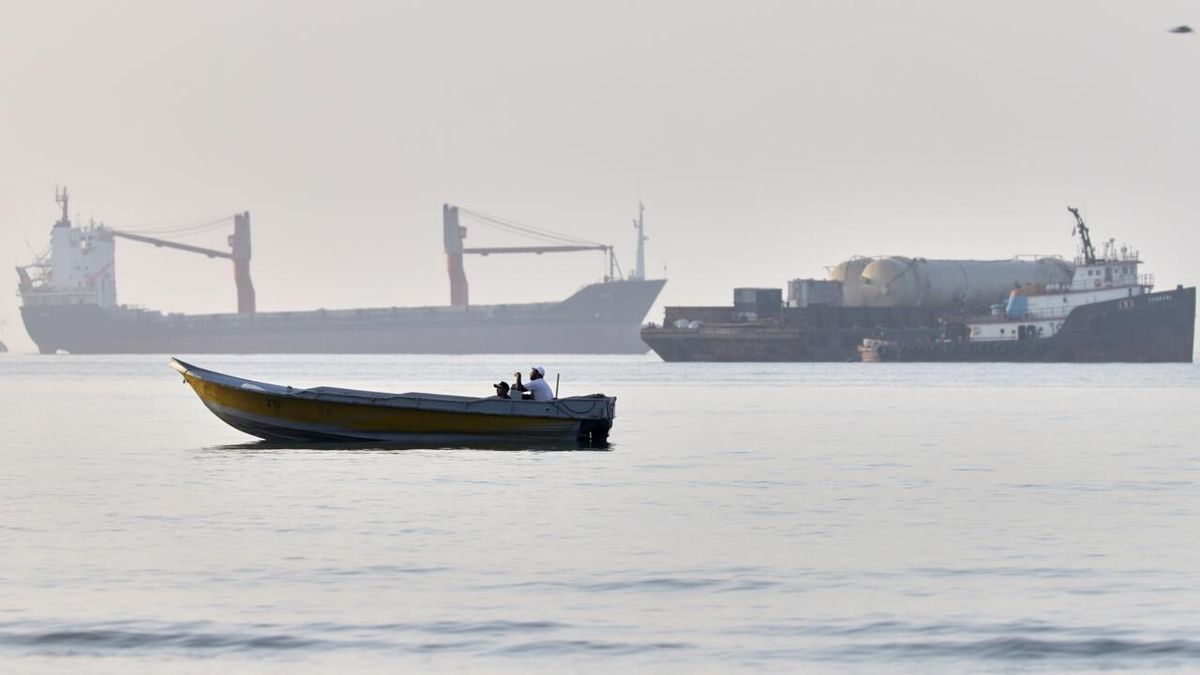
Iran's top joint military command announced the closure of the Strait of Hormuz, a critical waterway connecting the Persian Gulf to the Gulf of Oman, in response to the latest US attacks. This strategic move has significant implications for regional stability, global energy markets, and the ongoing conflict between Iran and the US.
The Strait of Hormuz is a 90-kilometer-wide waterway that is the only passage for oil tankers and commercial ships between the Persian Gulf and the Gulf of Oman. It is a critical chokepoint for global energy trade, with approximately 20% of the world's oil passing through it. The strait's importance has been a point of contention between Iran and the US, with the US seeking to maintain freedom of navigation and Iran seeking to assert its control over the region.
Iran's closure of the Strait of Hormuz is a strategic escalation in the ongoing conflict, aimed at pressuring the US to reconsider its military actions and diplomatic stance. By targeting commercial vessels and oil tankers, Iran seeks to disrupt global energy markets, increase pressure on the US, and demonstrate its military capabilities. This move also reflects Iran's desire to assert its control over the region and protect its national interests.
The closure of the Strait of Hormuz has significant implications for regional stability and global energy markets. The disruption of oil tanker traffic will increase energy prices, impact global economic growth, and exacerbate regional tensions. The move also raises concerns about the safety of commercial vessels and the potential for further escalation in the conflict.
The closure of the Strait of Hormuz marks a significant escalation in the conflict, with potential consequences for regional stability and global energy markets. The US and its allies will likely respond with diplomatic efforts to resolve the crisis, while Iran will continue to assert its control over the region. The future consequences of this move will depend on the effectiveness of diplomatic efforts, the willingness of the US and Iran to engage in dialogue, and the ability of regional actors to manage the crisis.
The closure of the Strait of Hormuz marks a critical juncture in the ongoing conflict between Iran and the US. The strategic implications of this move are far-reaching, with potential consequences for regional stability, global energy markets, and the future of the conflict. As the situation continues to unfold, it is essential to monitor the developments and assess the effectiveness of diplomatic efforts to resolve the crisis.
Editor's Note: While the closure of the Strait of Hormuz is a significant escalation in the conflict, the future consequences of this move will depend on the effectiveness of diplomatic efforts and the willingness of the US and Iran to engage in dialogue.
Source referenced: FRANCE24
This brief was synthesized by our Editorial Engine and reviewed by The Ground Narrative team.