TRENDING

Friday, 23 October 2026
----------------------
12 Jumada Al-Awwal 1448 AH
Iran's recent missile attacks on Israel have put a fragile ceasefire at risk, threatening regional stability and global oil markets. The attacks have led to a surge in oil prices, with Brent crude climbing 3.6% to $96.47 a barrel.
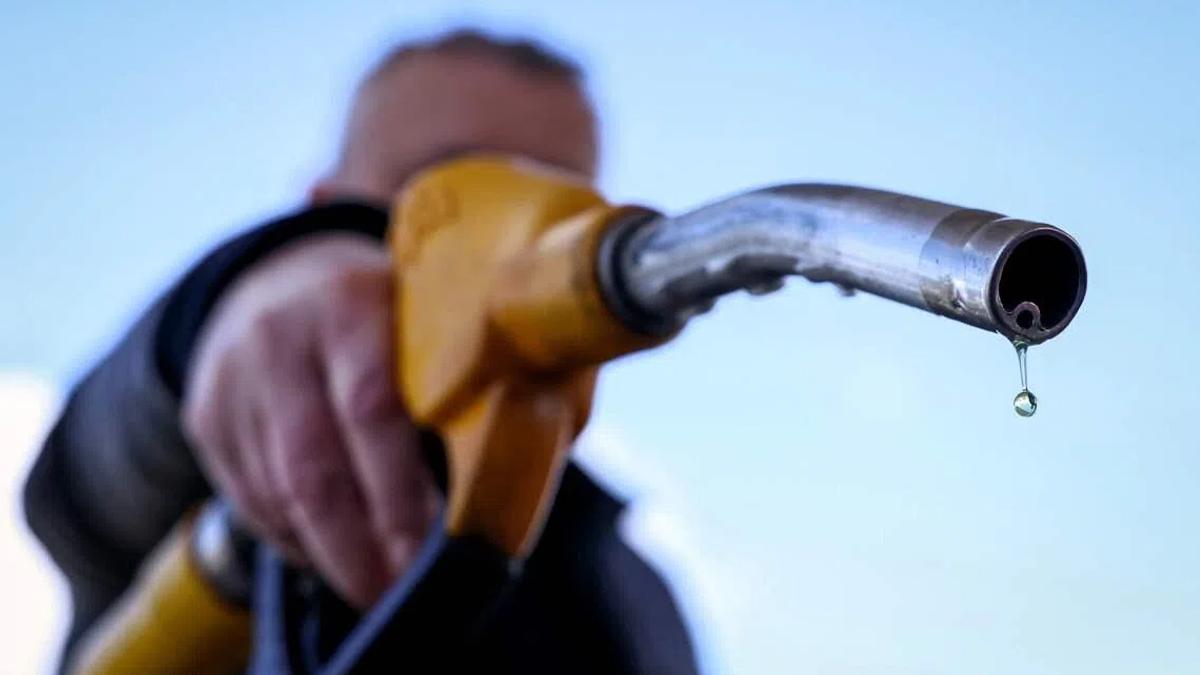
Iran's recent missile attacks on Israel have put a fragile ceasefire at risk, threatening regional stability and global oil markets. The attacks have led to a surge in oil prices, with Brent crude climbing 3.6% to $96.47 a barrel.
The conflict in the Middle East has been escalating over the past week, with a series of attacks and counter-attacks between Iran, Israel, and the US. The conflict has led to the near-closure of the crucial Strait of Hormuz, choking off supplies of crude, fuels, and natural gas to global customers.
Iran's missile attacks on Israel are a clear warning to the Israeli government to cease its hostile actions in Lebanon. The attacks are also a demonstration of Iran's military capabilities and its willingness to use force to protect its interests in the region.
The conflict in the Middle East has significant regional implications. The closure of the Strait of Hormuz has led to a surge in oil prices, which could have far-reaching consequences for the global economy. The conflict has also led to a deterioration in relations between Iran and the US, which could have significant implications for regional stability.
The future consequences of the conflict in the Middle East are uncertain. However, it is clear that the conflict has the potential to destabilize the region and have far-reaching consequences for global oil markets. The conflict has also highlighted the need for a negotiated settlement to the conflict, which would require significant concessions from all parties involved.
Editor's Note: The analysis of the conflict in the Middle East is uncertain, with multiple factors at play.
Source referenced: STRAITSTIMES
This brief was synthesized by our Editorial Engine and reviewed by The Ground Narrative team.