TRENDING

Friday, 23 October 2026
----------------------
12 Jumada Al-Awwal 1448 AH
Hezbollah's continued relevance for Iran stems from its multifaceted role as a regional proxy, military force, and political entity. As the conflict in the Middle East escalates, understanding Hezbollah's significance is crucial for grasping Iran's regional strategy and the potential consequences for regional stability.
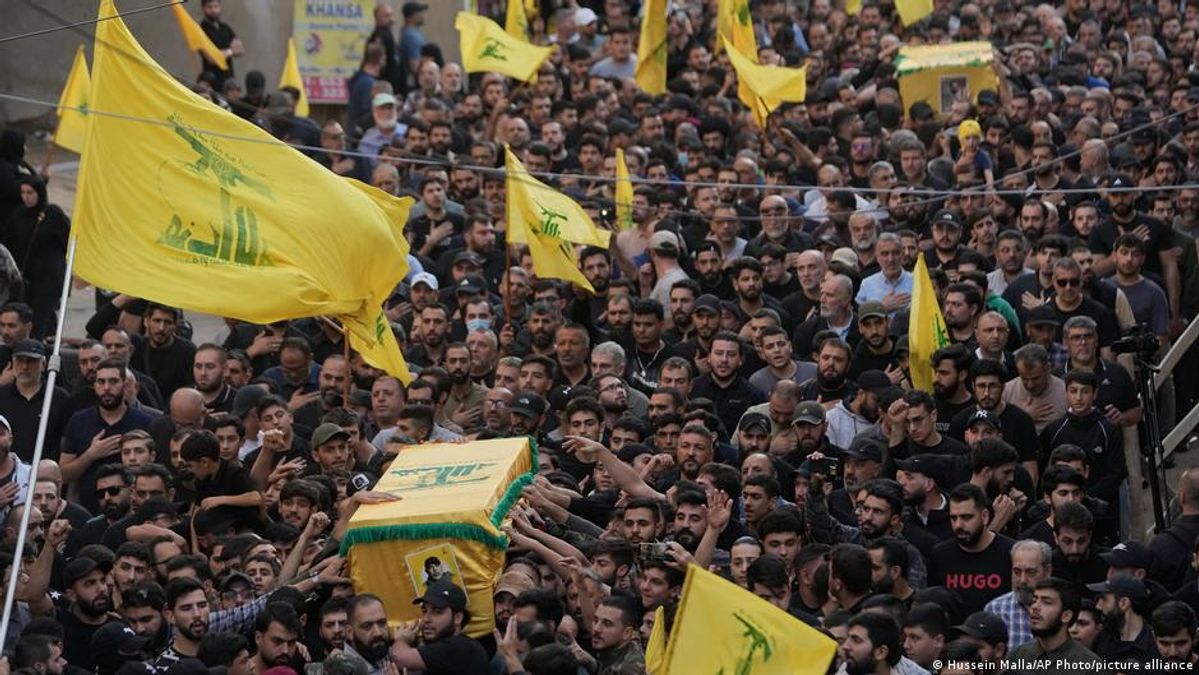
Hezbollah, an Iran-backed Shiite militant group, has been a central pillar of Iran's regional strategy for decades. Its importance lies in its ability to serve as a forward defense mechanism, deterring potential threats to Iran's national security through allied actors. However, this strategy has partially reversed, with Iran increasingly compelled to actively protect its allies, even at the cost of direct attacks on Israel and counterattacks on its own territory and infrastructure.
Hezbollah emerged in the early 1980s during the Lebanese Civil War and following the Israeli invasion of Lebanon. The group's founding was facilitated by Iran's support, which has continued to this day. Hezbollah's activities have been banned in Germany since 2020, and it is designated as a terrorist organization by Western states, Israel, Gulf Arab nations, and the Arab League. Despite being significantly weakened by Israeli military strikes, Hezbollah has been able to rebuild its structures, at least in part.
The conflict between Hezbollah and Israel has disrupted attempts by US President Donald Trump to negotiate a deal with Tehran to end the conflict. The continued fighting has also raised concerns about the potential for a wider war in the Middle East, with the UN chief warning of the risk of a full-scale conflict.
The costs of further confrontation with Israel are significant for Iran, with considerable economic damage and deteriorating living conditions for many people. The new Iranian leadership will need to address security and foreign policy challenges, as well as answer the question of what vision for the future it can offer the Iranian people.
Hezbollah's continued relevance for Iran is also tied to its role as a bargaining chip in any potential political agreements and peace negotiations. Iran's priority is to ensure that Hezbollah is included in any such agreements, and that it is not abandoned or used as a bargaining chip. This is crucial for maintaining Iran's regional influence and the confidence of other actors in the region allied with Iran.
Hezbollah's enduring importance for Iran stems from its multifaceted role as a regional proxy, military force, and political entity. As the conflict in the Middle East escalates, understanding Hezbollah's significance is crucial for grasping Iran's regional strategy and the potential consequences for regional stability. The continued relevance of Hezbollah for Iran highlights the complexities of the Middle East conflict and the need for a nuanced understanding of the region's dynamics.
Editor's Note: The analysis is based on available information and may be subject to change as new developments emerge.
Source referenced: DW
This brief was synthesized by our Editorial Engine and reviewed by The Ground Narrative team.


