TRENDING

Saturday, 24 October 2026
----------------------
13 Jumada Al-Awwal 1448 AH
A landmark study reveals that 75% of European adults encountered a scam in the past year, resulting in €50 billion in losses. The EU's response has been criticized for being inadequate, with experts calling for tougher disruption and more coordinated national action.
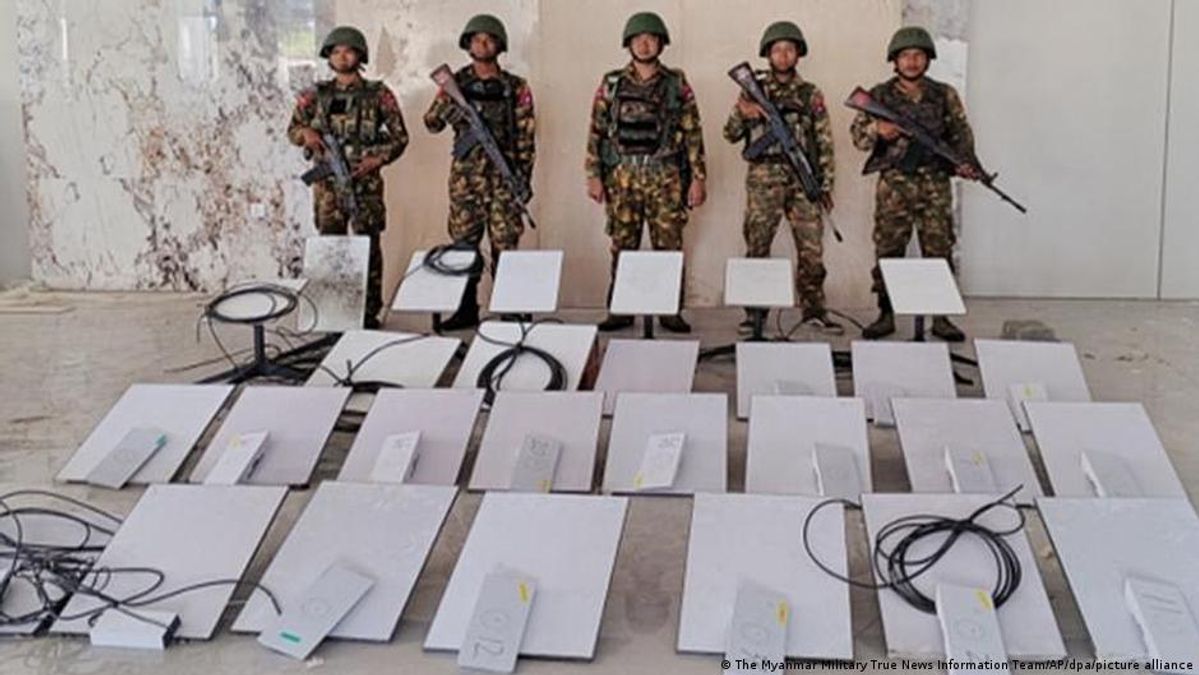
Southeast Asia has emerged as a major hub for cyberscamming in recent years, with the region's scam factories generating nearly €37.9 billion annually. The scam industry has become a significant concern for European citizens, with 75% of adults encountering a scam in the past year, resulting in €50 billion in losses.
The EU's response to the cyberscam epidemic has been criticized for being inadequate. While the US, China, and the UK have taken more aggressive actions against scam networks, the EU has imposed sanctions on Southeast Asian entities only once. The EU's lack of engagement on this issue has been attributed to fragmentation, with competencies split across EU institutions and member states.
Experts believe that the EU needs to take a more proactive approach to combating the cyberscam problem in Southeast Asia. This includes using available tools such as sanctions and strong regulatory actions targeting fintech and social media companies that are exploited by criminals to perpetrate the scams. The Global Anti-Scam Alliance (GASA) report has highlighted the need for more victim data, more pressure on platforms and payment systems, and more coordinated national action across Europe.
The cyberscam epidemic has significant regional implications, with thousands of workers being trafficked to the region to work in scam centers. The scam industry has also been linked to organized crime and human trafficking, making it a critical issue for regional security.
If the EU fails to take a more proactive approach to combating the cyberscam epidemic, the consequences could be severe. The scam industry is likely to continue to grow, resulting in further losses for European citizens and potentially destabilizing regional security.
The EU needs to take a more coordinated and proactive approach to combating the cyberscam epidemic in Southeast Asia. This includes using available tools such as sanctions and strong regulatory actions, as well as increasing public awareness and coordination among national authorities. By taking a more proactive approach, the EU can help to disrupt the scam industry and protect European citizens from the growing threat of cyberscams.
China has been increasingly involved in the crackdown on scam networks in Southeast Asia, with Beijing applying pressure on actors in the Myanmar civil war to act against scam compounds. However, analysts warn that crackdowns often displace rather than dismantle the networks, highlighting the need for a more comprehensive approach to addressing the issue.
The US has taken a more aggressive approach to combating the cyberscam epidemic, with the US Treasury sanctioning 146 targets linked to the Cambodia-based Prince Group and the US Justice Department indicting Prince Group chairman Chen Zhi. The US has also moved against Cambodia-based Huione Group and has sanctioned senators and tycoons close to the ruling Hun family.
The EU's inadequate response to the cyberscam epidemic in Southeast Asia has significant implications for regional security and the protection of European citizens. The EU needs to take a more proactive approach to combating the scam industry, including using available tools such as sanctions and strong regulatory actions, increasing public awareness, and coordinating national authorities. By taking a more proactive approach, the EU can help to disrupt the scam industry and protect European citizens from the growing threat of cyberscams.
Editor's Note: The analysis is based on available data and expert opinions, but the future consequences of the EU's inadequate response to the cyberscam epidemic are uncertain.
Source referenced: DW
This brief was synthesized by our Editorial Engine and reviewed by The Ground Narrative team.