TRENDING

Tuesday, 27 October 2026
----------------------
16 Jumada Al-Awwal 1448 AH
The recent parliamentary election in Ethiopia has been described as 'generally peaceful,' but concerns over the exclusion of parts of the country due to insecurity and allegations of rigging have raised questions about the legitimacy of the process.
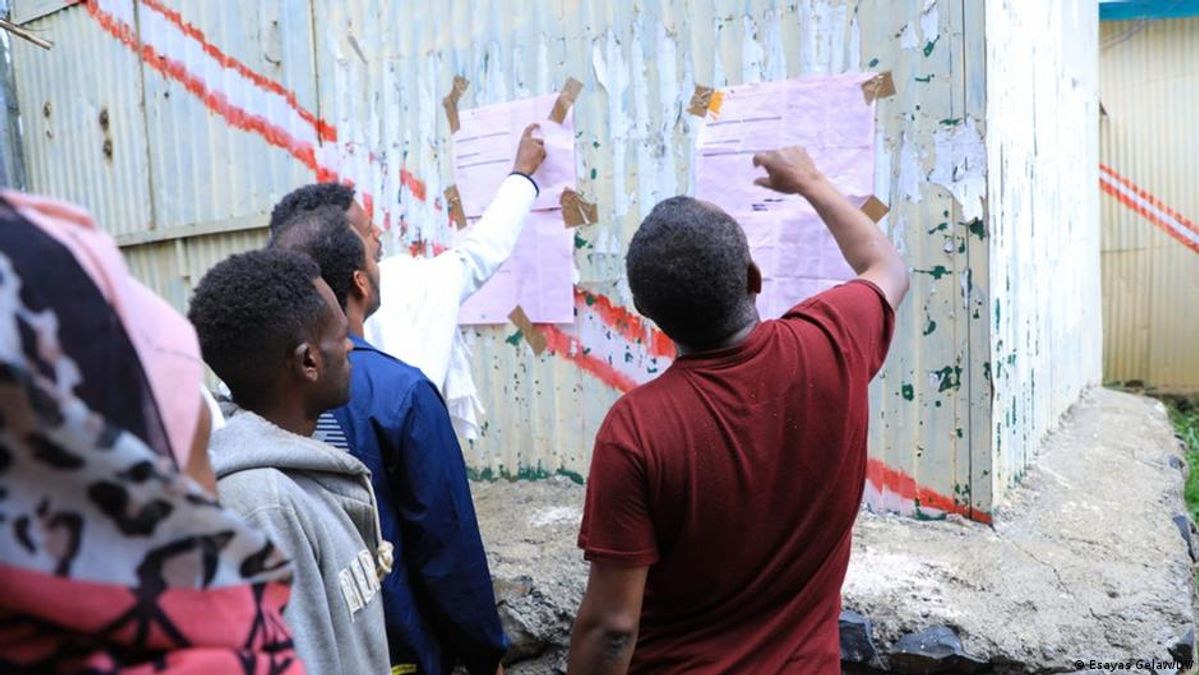
Ethiopia's recent parliamentary election has been hailed as a significant step towards democratic progress, but concerns over the exclusion of parts of the country due to insecurity and allegations of rigging have raised questions about the legitimacy of the process.
Ethiopia is Africa's second-most populous country, with nearly 50 million people registered to vote in the June 1 election. However, insecurity in two of the most populous regions - Amhara and Oromia - saw voting suspended in at least 140 constituencies. Voting was also suspended in Tigray, the fourth-most populous region, due to "unfavorable conditions." This has raised concerns about the exclusion of certain groups and the potential for a lack of representation in the new parliament.
The ruling Prosperity Party, led by Prime Minister Abiy Ahmed, is widely expected to retain power, with many observers and analysts predicting a landslide victory. However, this dominance has raised concerns about the lack of competition and the potential for a one-party state. Analyst Bizuneh Yimenu of Queen's University in Belfast noted that the opposition parties are "very fragmented, weak" and unable to pose a serious challenge to the ruling party.
The Coalition for Ethiopian Unity (CEU), an alliance of five political parties, has criticized the electoral process, alleging that it was rigged and its results must be rejected. The CEU has also accused the ruling party of disenfranchising certain groups, including those in the Kucha constituency. This has raised concerns about the legitimacy of the election and the potential for widespread protests.
The election has significant regional implications, particularly in the context of Ethiopia's ongoing conflicts. The suspension of voting in parts of Amhara, Oromia, and Tigray has raised concerns about the impact of unresolved conflicts on the democratic process. If the Prosperity Party secures another five-year mandate, Prime Minister Abiy Ahmed's government faces pressure to prioritize peace-building and address the underlying issues driving these conflicts.
The outcome of the election will have significant consequences for Ethiopia's democratic progress and regional stability. If the ruling party retains power, it will likely face pressure to address the underlying issues driving the country's conflicts and to prioritize peace-building. However, if the opposition parties are able to mount a credible challenge, it could lead to a more competitive and representative parliament.
The recent parliamentary election in Ethiopia has been a significant test of the country's democratic progress. While the election has been described as 'generally peaceful,' concerns over the exclusion of parts of the country due to insecurity and allegations of rigging have raised questions about the legitimacy of the process. The outcome of the election will have significant consequences for Ethiopia's democratic progress and regional stability, and it remains to be seen whether the ruling party will be able to address the underlying issues driving the country's conflicts and prioritize peace-building.
Editor's Note: The analysis is based on available information and may be subject to change as more information becomes available.
Source referenced: DW
This brief was synthesized by our Editorial Engine and reviewed by The Ground Narrative team.