TRENDING

Monday, 21 September 2026
----------------------
10 Rabi' Al-Thani 1448 AH
China’s foreign ministry urged Japan to confront the legacy of the 1931‑1935 invasion, linking historical reckoning to regional trust. The plea spotlights a diplomatic tug‑of‑war where memory becomes a bargaining chip.
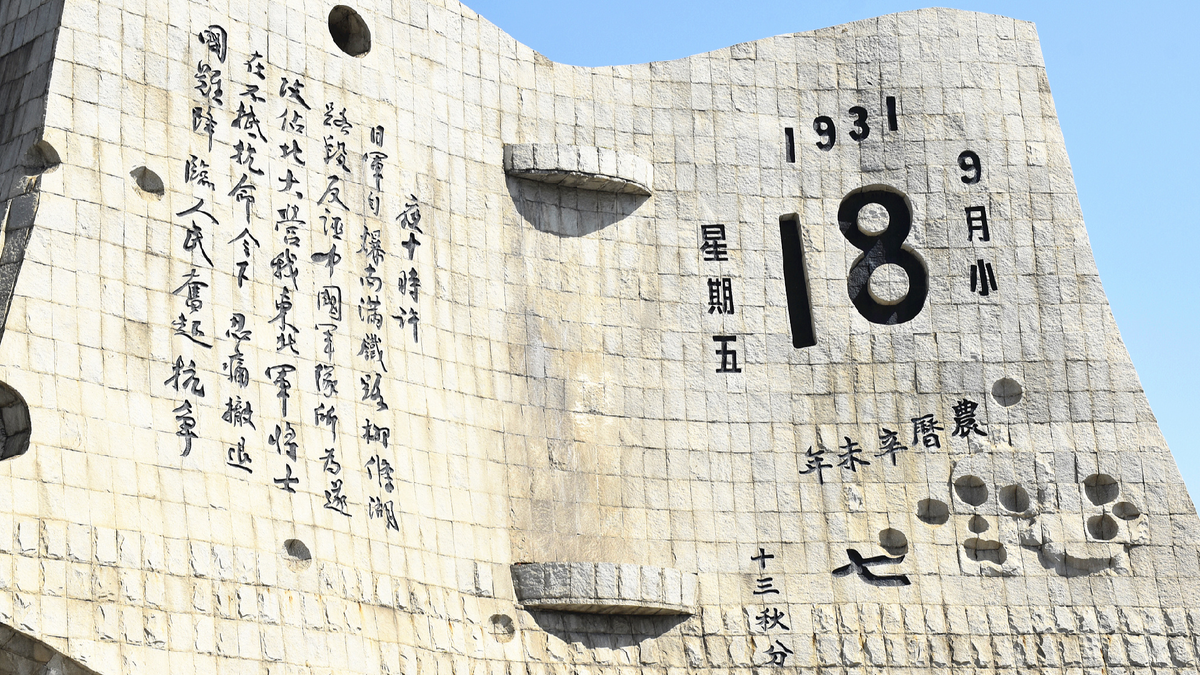
China’s foreign ministry spokesperson Guo Jiakun told a regular press briefing on 18 September 2026 that Tokyo must deeply reflect on its history of aggression and take concrete steps to earn the trust of Asian neighbours. The statement referenced the September 18 Incident of 1931, which marked the start of Japan’s 14‑year invasion of China, and warned against any resurgence of militarism.
The call is less about historical morality than about strategic positioning. Beijing leverages the memory of Japanese wartime atrocities to reinforce its narrative of a peaceful rise and to counteract U.S. attempts to deepen security ties with Tokyo. By foregrounding history, China seeks to:
- Tie Japan’s diplomatic flexibility to a moral ledger that can be used in multilateral forums, especially the East Asia Summit and ASEAN‑plus‑Three, where Beijing aims to shape agenda‑setting.
- Create friction for U.S. allies. Washington’s push for a “Free‑and‑Open Indo‑Pacific” relies on Japan’s willingness to host advanced weaponry and joint exercises. A Chinese‑led historical critique can pressure Tokyo to temper overtly militaristic postures.
- Dominate the narrative space in the domestic media of both countries. In China, state outlets portray the demand as a righteous reminder, bolstering the Communist Party’s claim to be the guardian of national dignity. In Japan, opposition parties can seize the moment to criticize the ruling Liberal Democratic Party’s perceived soft‑stance toward China.
- Leverage economic interdependence. Japan remains a top source of foreign direct investment for China; a diplomatic spat over history could threaten supply‑chain stability, giving Beijing a subtle lever in trade negotiations.
While diplomats trade rhetoric, ordinary citizens bear the hidden costs. In Northeast China, where the September 18 Incident museum stands, families of wartime victims still grapple with poverty and limited access to healthcare, their stories rarely surface in state‑sanctioned narratives. Across the Sea of Japan, coastal fishing communities in Hokkaido and Aomori face declining catches as climate‑driven shifts intersect with heightened naval patrols spurred by security tensions. Young Japanese students, pressured to master both a national curriculum that downplays wartime aggression and a global narrative that demands accountability, experience identity dissonance. Meanwhile, Chinese migrant workers in Japan’s manufacturing sector confront a precarious legal status that can be weaponized amid diplomatic flare‑ups, risking job loss and deportation.
Official statements gloss over economic incentives embedded in the historical debate. Behind the moral framing lies a calculated effort to slow Japan’s procurement of advanced U.S. weapon systems, such as the F‑35 and Aegis‑Ashore, by raising domestic political costs for the LDP. Beijing also sidesteps discussion of its own militarization of the South China Sea, positioning itself as the moral arbiter while expanding naval bases in the contested waters. The narrative omits the fact that Chinese state‑run media simultaneously amplifies anti‑U.S. sentiment, using the historical issue to divert attention from Beijing’s own strategic ambitions.
Watch for three converging signals:
1. Legislative moves in Japan – any bills to revise textbook language or to formalize war‑memory education will indicate how far Tokyo is willing to accommodate Beijing’s demands.
2. Joint military drills – a scaling back or postponement of U.S.–Japan exercises in the next six months could reveal Beijing’s leverage at work.
3. Economic negotiations – renewed talks on semiconductor supply chains or rare‑earth trade between the two powers may carry hidden clauses tied to historical acknowledgment, shaping future market dynamics.
By tracking these developments, readers can gauge whether China’s historical reminder remains a diplomatic footnote or becomes a tangible lever reshaping security, trade, and everyday lives across East Asia.
Source referenced: CGTN
This brief was synthesized by our Editorial Engine and reviewed by The Ground Narrative team.


