TRENDING

Thursday, 17 September 2026
----------------------
6 Rabi' Al-Thani 1448 AH
Argentina's president pushes a new sanctions bill targeting firms operating around the Falklands, raising the stakes for London, investors and local workers. The move reshapes diplomatic math while ordinary people on both sides bear the hidden costs.
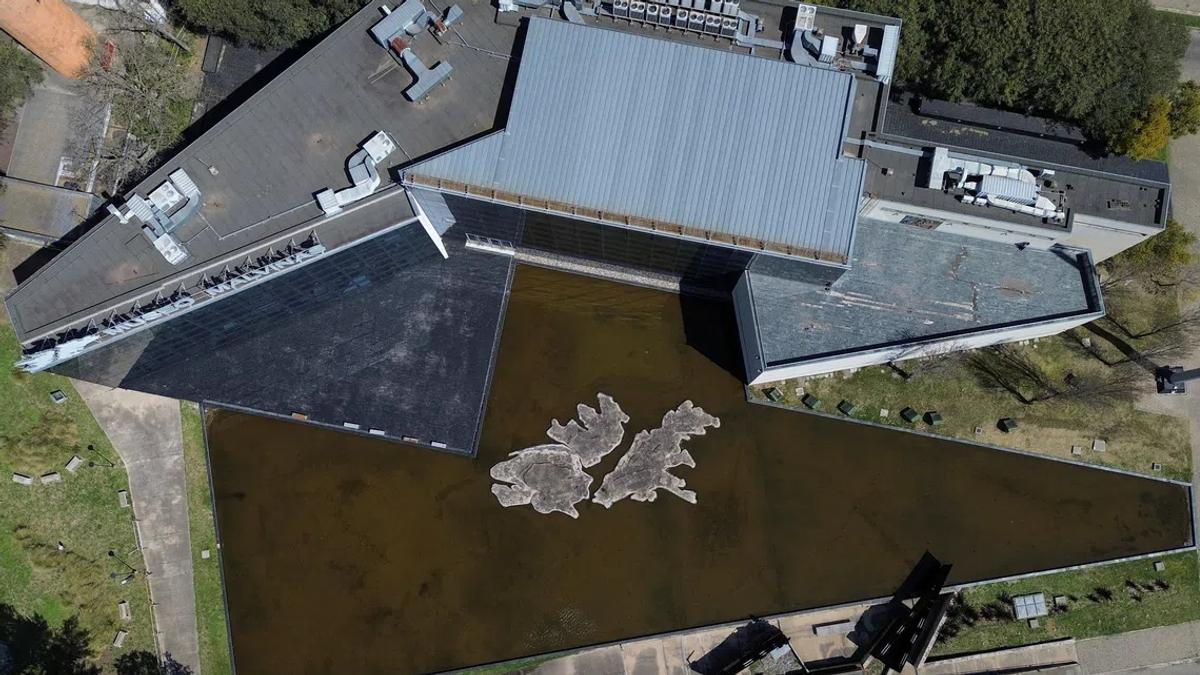
Argentina’s government, led by President Javier Milei, introduced a bill on 17 September 2026 that tightens sanctions on any company or individual conducting activities—especially oil exploration—in the Falkland Islands (Malvinas) and Argentina’s adjacent maritime zones. The proposal expands penalties, creates a National Security Council chaired by the president, and revamps 2011 legislation to give the state broader tools against what it calls “illegal exploitation” of natural resources.
The bill serves several intersecting incentives. First, it reinforces Milei’s nationalist credentials ahead of the 2027 presidential election, allowing him to claim a hard line on sovereignty while diverting attention from domestic economic turbulence. Second, the sanctions regime targets foreign investors—principally the UK‑registered Sea Lion consortium (Navitas Petroleum and Rockhopper Exploration)—by threatening their assets, shareholders and supply chains, thereby pressuring London to reconsider its tacit support for the islands’ self‑government. Third, the creation of a National Security Council centralises decision‑making, giving the executive direct oversight of defence, intelligence and economic policy, a structural shift that can streamline responses to external pressure but also consolidates power in Milei’s hands. Finally, the bill taps into broader geopolitical currents: the United States, under President Trump, hinted at a possible policy shift on the Falklands, offering Argentina a potential diplomatic lever if it can demonstrate a credible enforcement mechanism.
The human toll of the legislation is uneven. Falkland Islanders—about 3,500 residents—face uncertainty over employment tied to the Sea Lion oil project, which promises jobs and infrastructure but now sits under a cloud of legal risk. Argentine coastal communities, especially those in Patagonia, could see reduced investment in offshore drilling, limiting potential revenue that the government argues is needed for public services. Meanwhile, workers in the global oil supply chain—logistics firms, ship crews, and local service providers in Uruguay and Chile—risk contract cancellations if sanctions spill over. The Argentine public, already coping with high inflation, may bear indirect costs if the government redirects resources to enforce the bill rather than address domestic price pressures.
Official statements frame the bill as a defense of sovereignty and a safeguard for natural resources. What is downplayed is the commercial calculus: the sanctions give Argentina leverage to extract concessions from multinational firms, possibly securing higher royalties or technology transfers. Equally omitted is the diplomatic signal to the United Kingdom: by escalating legal pressure, Buenos Aires forces London to weigh the political cost of defending a territory with a small population against the risk of alienating investors and provoking a trade dispute. The bill also skirts the broader Atlantic alliance dynamics; the United States’ ambiguous stance creates space for Argentina to court Washington, but the analysis rarely mentions how a shift could ripple through NATO‑UK relations.
Watch how the United Kingdom’s foreign ministry responds—whether it will issue counter‑sanctions, seek arbitration, or attempt a diplomatic de‑escalation. The progress of the Sea Lion licensing process in the Falklands’ own administration will indicate if the project can survive legal pressure. In Argentina, the composition and actions of the newly formed National Security Council will reveal whether the body becomes a genuine coordination platform or a tool for political centralisation. Finally, monitor any statements from Washington; a concrete policy shift could turn the Falklands dispute into a broader bargaining chip in US‑UK‑Argentina relations, reshaping the strategic calculus in the South Atlantic.
Source referenced: STRAITSTIMES
This brief was synthesized by our Editorial Engine and reviewed by The Ground Narrative team.


