TRENDING

Thursday, 15 October 2026
----------------------
4 Jumada Al-Awwal 1448 AH
Ukrainian drone forces have claimed extensive attacks on Russian vessels in the Sea of Azov, signaling a strategic escalation aimed at disrupting Moscow's critical maritime logistics and export capabilities. These strikes underscore Ukraine's evolving asymmetric warfare tactics and challenge Russia's control over a vital economic and military artery.
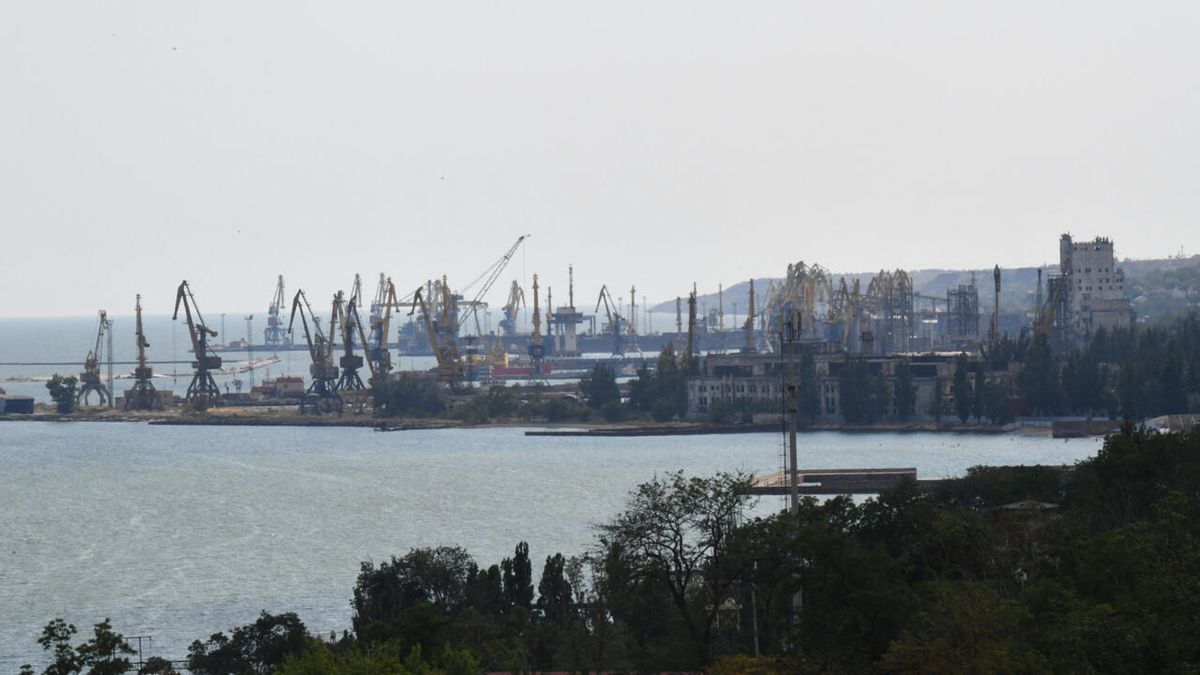
On Tuesday, July 14, 2026, Ukrainian drone forces, led by commander Robert Brovdi, claimed responsibility for a significant overnight operation targeting 11 Russian vessels in the Sea of Azov. The reported strikes included five tankers, five dry cargo vessels, and a tugboat, bringing the total number of vessels allegedly hit in the past nine days to 116. This sustained campaign marks a notable escalation in Ukraine's efforts to disrupt Russia's maritime operations, particularly in a body of water largely controlled by Moscow since the full-scale invasion.
The Sea of Azov holds immense strategic importance for Russia. Nestled between Russia, Russian-occupied southern Ukraine, and annexed Crimea, it serves as a crucial logistical artery for supplying Moscow's forces in occupied territories and facilitating significant economic exports, including approximately a quarter of Russia's grain. Ukraine's stated objective for these attacks is to damage Russia's 'shadow fleet' – vessels potentially used to circumvent international sanctions – and to limit petrol supplies to Moscow-controlled Crimea, thereby exacerbating Russia's domestic fuel crisis.
These drone attacks represent a calculated move by Kyiv to exert pressure on Russia's war economy and military logistics. By targeting tankers and dry cargo vessels, Ukraine aims to directly impact Russia's ability to generate revenue from exports and sustain its military operations in the south. The disruption of grain exports, in particular, could have broader implications for global food markets, although Russia's agriculture ministry has insisted that the situation will not affect domestic food supply or export capabilities, stating that measures are being taken to ensure vessel safety and explore alternative freight routes.
The concept of a 'shadow fleet' is critical here. These vessels often operate with less transparency, potentially facilitating the movement of sanctioned goods, including oil. By targeting such assets, Ukraine not only aims to inflict economic damage but also to complicate Russia's efforts to bypass international restrictions, thereby increasing the costs and risks associated with its illicit trade networks. The attacks also highlight Russia's vulnerability in a region it has largely considered its secure backyard since the annexation of Crimea and the establishment of a land bridge to the peninsula.
Ukraine's increasing reliance on advanced drone technology for naval warfare demonstrates an evolving asymmetric strategy. Unable to directly challenge Russia's conventional naval superiority, Kyiv is leveraging cost-effective, long-range uncrewed systems to strike high-value targets. This approach aims to degrade Russia's capabilities, force Moscow to divert resources for defense, and create a sense of insecurity within Russian-controlled maritime zones.
The sustained nature of these attacks, with 116 vessels reportedly struck in just over a week, suggests a well-coordinated and persistent campaign. While Russia downplays the impact, the need to explore alternative transport routes and enhance vessel safety measures indicates that the attacks are indeed creating operational challenges. Should these disruptions continue, Russia might face increased logistical bottlenecks, higher shipping costs, and potential delays in both military resupply and commercial exports.
Looking ahead, the Sea of Azov is likely to remain a critical flashpoint. Ukraine's success in disrupting Russian maritime activities could embolden further strikes, potentially extending to other strategic targets in the Black Sea. For Russia, the imperative will be to enhance its naval defenses and adapt its logistical networks to mitigate these threats, possibly by increasing air and naval patrols or implementing more robust convoy systems. The ongoing maritime contest in the Azov and Black Seas will continue to be a significant determinant of the broader conflict's trajectory, influencing economic stability, military supply lines, and regional power dynamics.
These developments underscore the strategic importance of maritime control and the transformative impact of drone technology in modern warfare, pushing both sides to innovate and adapt in a conflict with far-reaching geopolitical consequences.
Source referenced: FRANCE24
This brief was synthesized by our Editorial Engine and reviewed by The Ground Narrative team.