TRENDING

Sunday, 28 June 2026
----------------------
13 Muharram 1448 AH
The Rapid Support Forces' (RSF) encirclement of el-Obeid, a strategic city in North Kordofan, has raised fears of an imminent attack and potential mass atrocities. The RSF's intentions and the international community's response will have significant implications for Sudan's humanitarian crisis and regional stability.
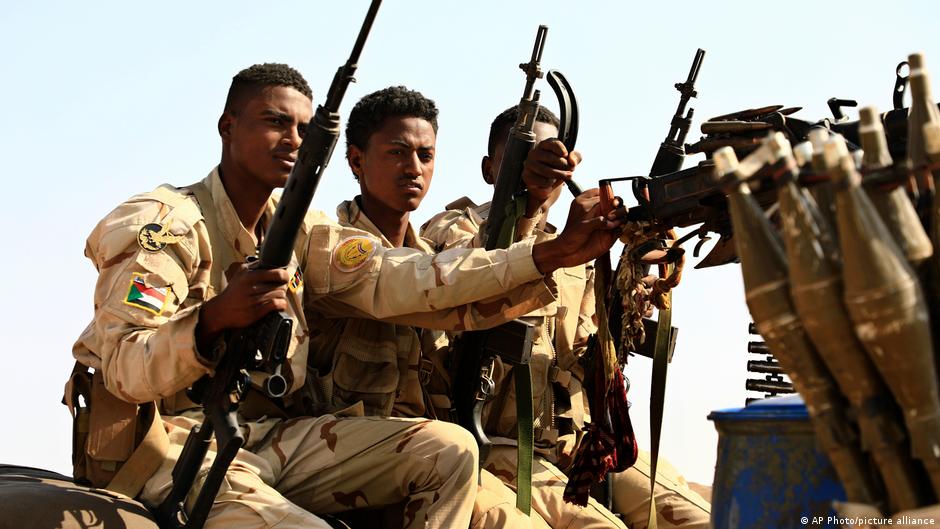
The Rapid Support Forces' (RSF) encirclement of el-Obeid, a strategic city in North Kordofan, has raised fears of an imminent attack and potential mass atrocities. The RSF's intentions and the international community's response will have significant implications for Sudan's humanitarian crisis and regional stability.
El-Obeid, with a population of approximately 500,000 people, is a key gateway for troop movements and military or humanitarian supplies. It is also home to a large Sudanese Armed Forces (SAF) military base and a military airfield. The city's strategic location at the crossroads between central Sudan, Khartoum, and the western Darfur region makes it a crucial logistical hub for supply lines throughout its entire history.
The RSF's deployment around el-Obeid is likely a prelude to a ground offensive to retake the city, which has been under SAF control since February 2025. The RSF's intentions are driven by a desire to expand its control over Sudan and secure key infrastructure, including the city's military base and airfield. The RSF's leadership, led by General Mohamed Hamdan Dagalo, also known as Hemedti, has a history of disregarding civilian life and committing atrocities.
The international community, including the UN Security Council, several European countries, and the United States, has flagged the imminent risk of mass atrocities in el-Obeid. The UN Secretary-General's spokesperson has warned that the horrors of el-Fasher, a Darfur city where the RSF committed mass atrocities, should not be repeated in el-Obeid. Human rights organizations, such as Human Rights Watch, have also expressed concerns about the RSF's intentions and the potential for further atrocities.
Sanctions against the RSF leadership and their backers, including the United Arab Emirates, could help protect civilians and prevent atrocities. The EU has sanctioned individuals and entities linked to both sides, but the UN has not designated the RSF as a terrorist organization. The international community's failure to take decisive action has emboldened the RSF and contributed to the ongoing humanitarian crisis in Sudan.
The conflict in Sudan has significant regional implications, including the potential for further instability in the Horn of Africa and the Sahel. The RSF's actions in el-Obeid could also have implications for regional security and the flow of refugees and migrants.
The RSF's encirclement of el-Obeid has raised fears of an imminent attack and potential mass atrocities. The international community's response will have significant implications for Sudan's humanitarian crisis and regional stability. Sanctions against the RSF leadership and their backers, as well as accountability for past atrocities, are essential to preventing further violence and protecting civilians.