TRENDING

Wednesday, 14 October 2026
----------------------
3 Jumada Al-Awwal 1448 AH
The Israeli city of Bnei Brak's plan to segregate male and female pedestrians on its streets has sparked a heated debate, raising concerns about the erosion of democracy and equality in the country.
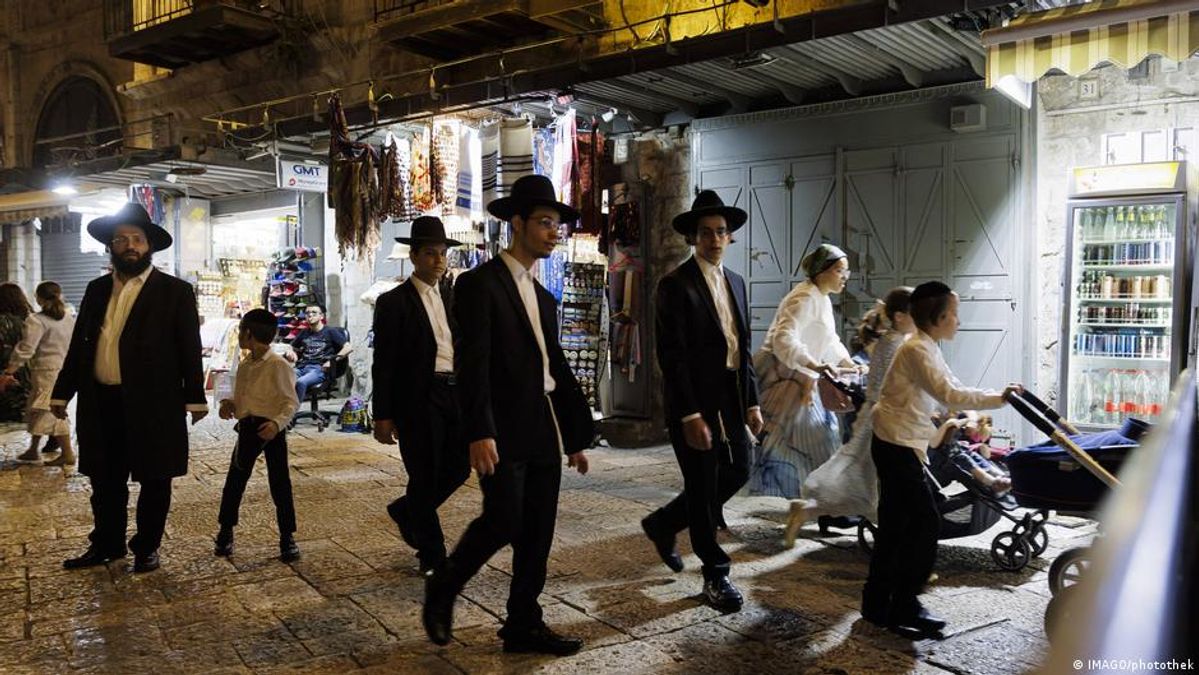
The city of Bnei Brak, a predominantly ultra-Orthodox Jewish city in Israel, has been at the center of a controversy surrounding the segregation of male and female pedestrians on its streets. The city's municipality had planned to widen sidewalks, erect barriers, and install signs to physically separate male and female pedestrians, making it the first city in Israel to do so. However, the plan was met with fierce criticism, and the work was halted after signs that had already been installed were removed.
Gender segregation is not unusual in Judaism, with Orthodox synagogues having separate areas for men and women. However, the proposed segregation on Bnei Brak's streets originates from the issue of separating guests at wedding ceremonies and other events. The problem is that Israeli taxpayer money would be used to impose segregation in public spaces, which is seen as a threat to democracy and equality.
The Bnei Brak controversy is not an isolated incident. It is part of a broader trend of increasing conservatism in Israeli society, which is driven by the growing influence of ultra-Orthodox Jewish groups. These groups have a higher birth rate than non-Orthodox Jews, putting pressure on the country's demographics. While Israel guarantees equality for citizens regardless of sex, the country's founders also promised to observe certain important religious rules that more conservative Jewish communities prioritize.
The Knesset, Israel's parliament, has also been involved in the debate. A recent law approved by the Knesset permits universities and colleges to offer segregated master's and doctoral degree programs, which has been criticized by opponents as undermining academic standards and gender equality. The law is seen as a way to integrate more Orthodox students into tertiary education, but it also raises concerns about the erosion of democracy and equality.
The Bnei Brak controversy and the Knesset's law have significant implications for Israel's democracy and equality. If the trend of increasing conservatism continues, it could lead to further erosion of democracy and equality in the country. The Supreme Court has previously ruled against mandatory segregation on public buses and has ordered the removal of signs that prescribed female dress codes. However, the current government's actions suggest that it is willing to challenge these rulings and push for a more conservative agenda.
The Bnei Brak controversy and the Knesset's law also have international implications. The increasing conservatism in Israeli society is part of a broader trend of rising nationalism and extremism in the Middle East. This trend has significant implications for regional stability and security, and it is likely to have a negative impact on Israel's relationships with its neighbors.
The Bnei Brak controversy and the Knesset's law are significant developments in Israel's democracy and equality. They raise concerns about the erosion of democracy and equality in the country and have significant implications for regional stability and security. The Supreme Court's previous rulings against mandatory segregation and the removal of signs that prescribed female dress codes suggest that the current government's actions are a challenge to these rulings and a push for a more conservative agenda. The international community should be aware of these developments and their implications for regional stability and security.
Editor's Note: The analysis is based on publicly available information and may not reflect the full complexity of the issue.
Source referenced: DW
This brief was synthesized by our Editorial Engine and reviewed by The Ground Narrative team.