TRENDING

Monday, 5 October 2026
----------------------
24 Rabi' Al-Thani 1448 AH
The US-Iran conflict deepens as Trump delays strikes, while primaries in Kentucky and Georgia reveal shifting party dynamics. Meanwhile, a California mosque shooting highlights the growing threat of white supremacist extremism.
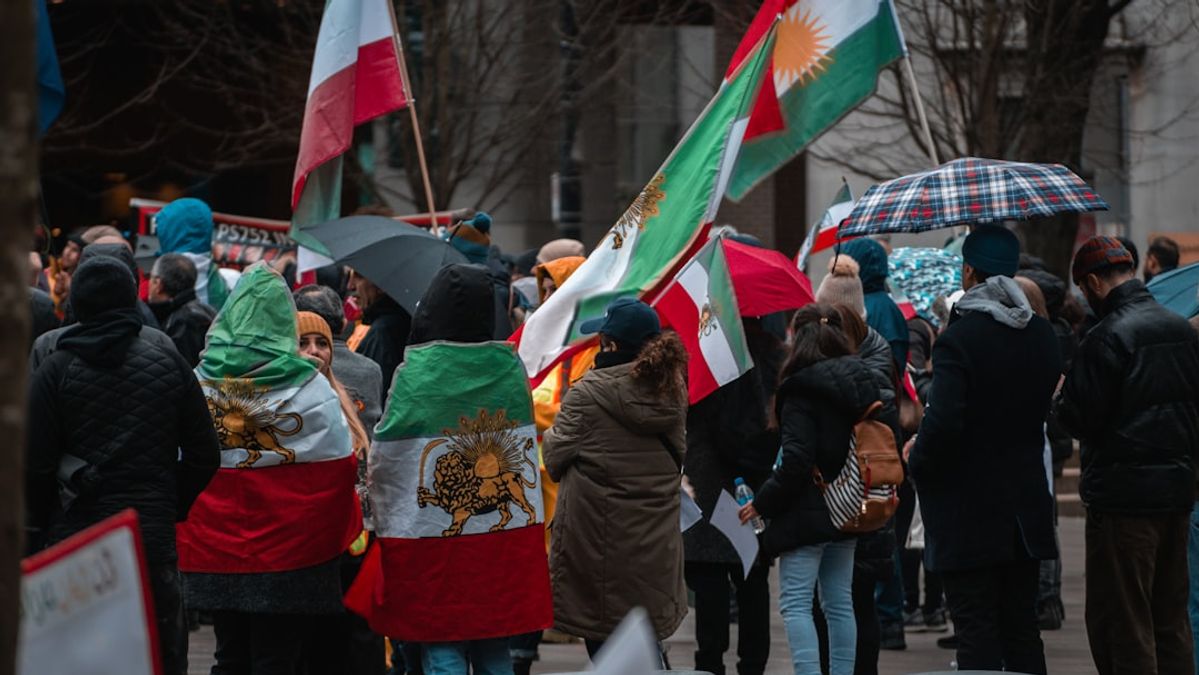
The ongoing tensions between the US and Iran have taken a dramatic turn as President Trump announced that he was mere hours away from launching new strikes against the country before calling them off. According to Trump, the decision was made due to 'serious negotiations' taking place, with the US giving Iran two to three days, or possibly a week, to reach a deal. Vice President Vance presented a slightly different perspective, indicating that Iran has two options: continue negotiations or face a restart of the military campaign.
This development highlights the uncertainty analysts fear could prolong the conflict for months. Mona Yacoubian, a former State Department official, warns that the situation could turn into a 'frozen conflict' in the region, capable of reigniting at any moment. The division within Iran's leadership, with different views on the direction to take, complicates the process, making it challenging to reach an agreement.
The primaries in Kentucky and Georgia have revealed shifting party dynamics. In Kentucky, Trump-backed challenger Ed Gallrein secured the victory over Rep. Thomas Massie, who is the latest Republican lawmaker to lose his seat after angering the president. This became the most expensive House primary in history, with $33 million spent on TV ads, much of it directed at Massie.
In Georgia, Democrats continued to show strong enthusiasm, with larger voter turnout potentially being a good sign for the party ahead of the November midterm elections. Former Atlanta Mayor Keisha Lance Bottoms won the Democratic primary for Georgia governor and will face the Republican runoff winner.
The California mosque shooting has highlighted the growing threat of white supremacist extremism. The suspects, who appear to have livestreamed the shooting, were part of a global white supremacist accelerationist movement. Their writings and video make it clear that they were influenced by online content, including the 2019 attacks on two mosques in Christchurch, New Zealand.
However, their writings also incorporated concerns like the fear of Sharia law overtaking small Texas towns and claims about Somali daycare fraud in Minnesota. These ideas are not fringe discussions in far-right circles but mainstream conversations among right-leaning media and even politicians, including members of Congress and the White House.
Minnesota Gov. Tim Walz has signed the nation's first law banning prediction market sites from operating in the state. The Trump administration has initiated a lawsuit in response, preparing for a legal battle over the crackdown on popular platforms such as Kalshi and Polymarket.
NPR is dedicating a week to stories and conversations about how communities are moving forward on climate solutions despite significant political headwinds. Denver's climate office is planning to heat and cool a cluster of downtown buildings with water, the heat of Earth, and even sewage. This greener solution could set a nationwide example for decarbonizing dense downtown areas.
The US-Iran conflict, primaries in Kentucky and Georgia, and the California mosque shooting have highlighted the complexities and challenges facing the US and its allies. The growing threat of white supremacist extremism and the need for climate action are pressing concerns that require immediate attention and action. As the world grapples with these issues, it is essential to prioritize diplomacy, cooperation, and a commitment to addressing the root causes of these problems.
Editor's Note: The analysis is based on available information and may be subject to change as new developments emerge.
Source referenced: NPR
This brief was synthesized by our Editorial Engine and reviewed by The Ground Narrative team.


