TRENDING

Friday, 6 November 2026
----------------------
26 Jumada Al-Awwal 1448 AH
Iran is accelerating talks with Russia, the UAE and other Gulf partners while President Trump threatens fresh strikes. The scramble reshapes regional power, energy markets and the lives of ordinary workers.
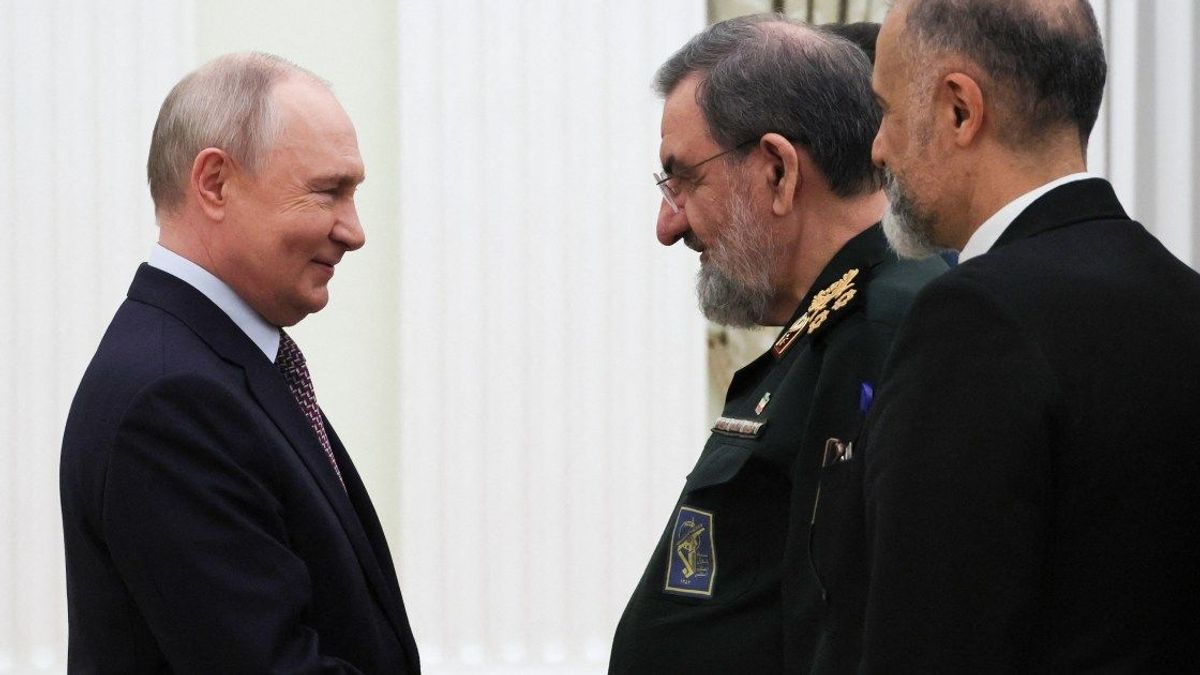
Iranian security chief Mohsen Rezaei arrived in Moscow on November 5, 2026 to deliver a message from Supreme Leader Mojtaba Khamenei to Vladimir Putin. The meeting coincided with President Donald Trump publicly warning that the United States may need to "destroy" the rest of Iran, while U.S. Central Command readied for a possible resumption of large‑scale strikes. In the days before the talks, Iran downed two U.S. reconnaissance drones near Qeshm Island, prompting limited U.S. retaliatory strikes and a flare‑up of tensions in the Strait of Hormuz.
Trump’s rhetoric serves a dual purpose: it signals resolve to his hawkish base and distracts from domestic fallout after a disastrous midterm election. By keeping the threat of war alive, the administration can justify higher defense spending and protect the interests of the energy and treasury secretaries who benefit from volatile oil prices.
Sanctioned Russia faces a dwindling export market for its military hardware. Supplying Iran with helicopter‑mounted launchers and missile technology offers a revenue stream that circumvents Western restrictions, while deepening a strategic partnership that can be leveraged in negotiations over Ukraine. The gas pipeline talks also aim to create a captive market for Russian energy, offsetting losses from Europe.
Control of the Strait of Hormuz gives Tehran a bargaining chip that outweighs its conventional military weakness. By threatening to close the waterway unless its seven demands—sanctions relief, asset unfreeze, and an end to the U.S. naval blockade—are met, Iran forces global oil consumers and regional states to engage diplomatically. The recent granting of exemptions to Iraq, Qatar, India and China illustrates a calculated use of selective access to maintain revenue while signaling willingness to negotiate.
The United Arab Emirates, Saudi Arabia, Oman and Qatar are all courting Iran to prevent a full‑scale conflict that would disrupt their own economies. Their calls for de‑escalation, conducted through phone‑calls with Iran’s foreign minister, aim to preserve the flow of trade and keep energy markets stable, even as they quietly coordinate with Washington on security matters.
The Strait of Hormuz handles roughly 20% of the world’s oil shipments. Recent mine incidents have set fire to at least seven tankers, endangering crews, causing loss of life, and prompting insurers to hike premiums. Small‑scale fishermen and port workers in Iran’s Hormozgan province also face heightened risk from naval engagements and mine clearance operations.
Higher oil prices ripple through to gasoline pumps in Europe, Asia and the United States, disproportionately affecting low‑income households. In Iran, damaged natural‑gas refineries have left millions without reliable heating during winter, prompting black‑market fuel sales and increasing household expenditures.
Iran’s warning that any state assisting the United States could become a "legitimate target" raises the specter of strikes on civilian infrastructure in Gulf nations. Cities in Saudi Arabia and the UAE could face missile attacks, threatening schools, hospitals and civilian neighborhoods if the conflict escalates.
Official statements frame Moscow’s involvement as pure diplomatic solidarity, yet defense contracts for missile launchers and the planned gas pipeline reveal a profit‑driven agenda. By deepening military ties with Iran, Russia secures a market for weapons it can no longer sell to Europe, while also creating a geopolitical ally that can challenge U.S. influence in the Middle East.
The administration’s public threat of war masks internal pressures: defense contractors lobby for higher budgets, and the Treasury benefits from higher oil revenues that boost tax receipts. By keeping the narrative focused on Iranian aggression, the White House sidesteps scrutiny over its own strategic miscalculations in the region.
Iran’s diplomatic outreach appears generous, but it is tightly conditioned on meeting its seven demands. The exemptions granted to select countries are a tool to divide regional consensus and extract concessions, while the broader population bears the brunt of sanctions‑induced shortages.
- U.S. congressional response: Any move to authorize a new strike package will likely trigger a debate in the House and Senate, revealing the balance of hawkish versus diplomatic factions.
- Russian pipeline progress: Satellite imagery of construction activity along the proposed route can indicate whether Moscow is moving from rhetoric to concrete energy exports.
- Shipping patterns in the Strait: Real‑time AIS data will show whether exemptions expand or if commercial vessels begin to avoid the waterway, signaling a shift in Iran’s control.
- Qatar‑led mediation: The next round of Doha talks will test whether Iran’s seven‑point framework can be softened enough for Washington to consider a cease‑fire without pre‑conditioned nuclear concessions.
- Domestic unrest in Iran: Rising fuel prices and power outages could pressure Tehran’s leadership to prioritize diplomatic solutions over further military posturing.
Monitoring these variables will reveal whether the current diplomatic sprint can defuse a potentially catastrophic escalation or merely postpone a larger confrontation.
Iran demands sanctions relief, unfreezing of its assets, an end to the U.S. naval blockade, plus additional political and security guarantees. Only if Washington meets these will Tehran consider reopening the waterway.
Sanctioned Russian defense firms gain revenue by supplying missile launchers and related technology to Iran, compensating for lost European markets. The deals also cement a strategic partnership that can counter U.S. influence.
Any disruption in the Strait of Hormuz would tighten global oil supply, pushing prices higher and increasing costs for consumers worldwide, especially in economies already facing inflation.
Editor's Note: Analysis based on publicly available reports and expert commentary up to November 2026.
Source referenced: ALJAZEERA
This brief was synthesized by our Editorial Engine and reviewed by The Ground Narrative team.