TRENDING

Monday, 5 October 2026
----------------------
24 Rabi' Al-Thani 1448 AH
Israeli forces intercepted a Gaza-bound aid flotilla in international waters, sparking renewed debate over the legality of the blockade and the humanitarian crisis. The incident, involving activists f
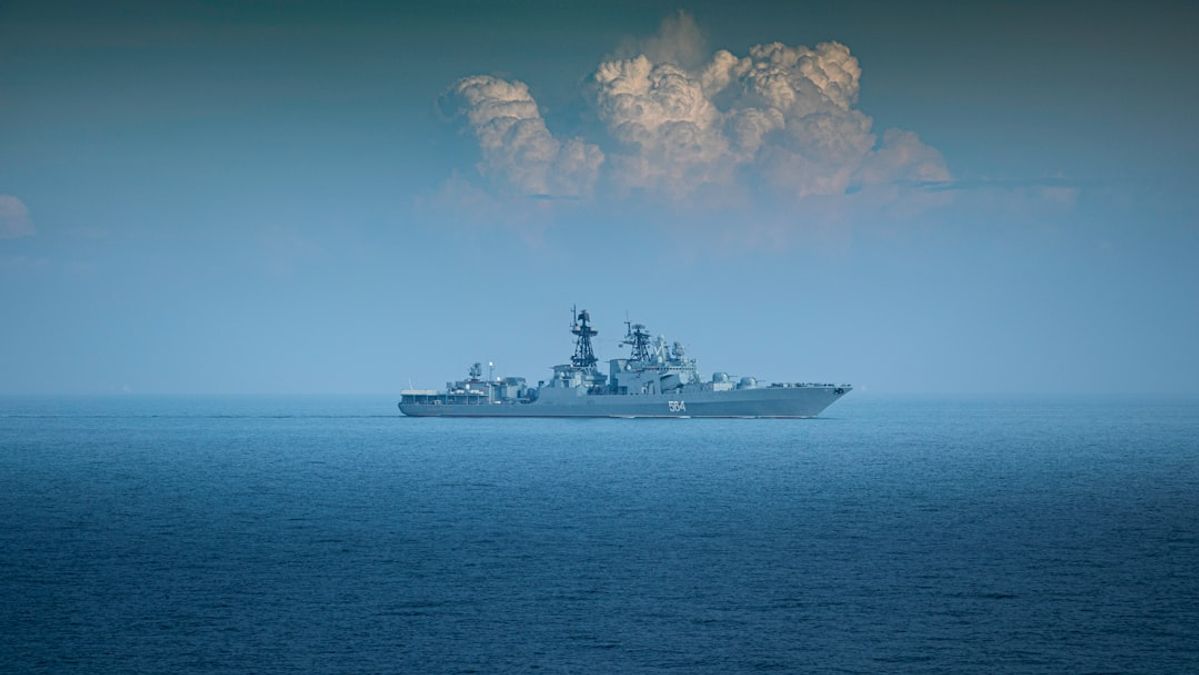
On Monday, Israeli naval forces intercepted a flotilla of over 50 boats, known as the Global Sumud Flotilla (GSF), in international waters west of Cyprus. The vessels, carrying more than 420 pro-Palestinian activists from 39 countries, including a significant number of Turkish nationals, were attempting to deliver humanitarian aid to the Gaza Strip, which has been under an Israeli maritime blockade since 2007. This incident marks the second time in a month that this particular flotilla has been intercepted, underscoring the enduring geopolitical flashpoint surrounding Gaza's isolation and the humanitarian crisis within the territory.
The interception occurred approximately 250 nautical miles (460km) from Gaza. Live video streams from the GSF showed armed commandos boarding several boats, with activists raising their hands in protest. The GSF organizers condemned the action as "another illegal, high-seas aggression" and "piracy," demanding safe passage for their "legal, non-violent humanitarian mission." They called on governments to intervene to stop what they termed "illegal acts... meant to maintain Israel's genocidal siege on Gaza."
Israel's Prime Minister Benjamin Netanyahu lauded the naval operation, stating it was "effectively neutralizing a malicious plan designed to break the isolation we have imposed on Hamas terrorists in Gaza." Israel's foreign ministry reiterated its stance that the blockade is lawful and essential for national security, preventing the rearmament of Hamas, which governs Gaza. The ministry also claimed the flotilla was a "provocation for the sake of provocation" with "no humanitarian aid," asserting its purpose was to "serve Hamas, to divert attention from Hamas's refusal to disarm, and to obstruct progress on [US] President Trump's peace plan." Furthermore, Israel highlighted the involvement of "violent Turkish groups - Mavi Marmara and IHH," with IHH designated as a terrorist organization by Israel.
This latest confrontation carries significant historical weight, echoing the 2010 Mavi Marmara incident. In that event, Israeli commandos raided a Turkish vessel participating in an aid flotilla, resulting in the deaths of 10 Turkish activists during clashes on board. That incident triggered a severe diplomatic crisis between Israel and Turkey, which took years to mend. The current interception, involving Turkish nationals and departing from a Turkish port (Marmaris), risks reigniting similar diplomatic tensions, especially given Turkey's foreign ministry's swift condemnation of the intervention as a "new act of piracy." Netanyahu's comment about the operation being conducted "quietly" suggests a deliberate effort to avoid a repeat of the violent outcomes of 2010, while still enforcing the blockade.
At the heart of these confrontations lies the dire humanitarian situation in Gaza. Activists argue that their mission is crucial to provide much-needed aid to Palestinians in the territory, where most of the 2.1 million population is displaced and living conditions are severe, despite a ceasefire agreed last October. The United Nations has consistently reported on the challenges faced by humanitarian operations in Gaza, citing restrictions on the import of critical spare parts, generators, fuel, and other essential inputs. The UN noted that in April, only 86% of initially approved humanitarian supplies were ultimately offloaded, with the remainder returned. Many displaced families remain in overcrowded tents or damaged structures, with limited access to clean water and impaired waste management systems, leading to significant public health concerns.
Conversely, Israel's foreign ministry asserts that Gaza is "flooded with aid," claiming over 1.5 million tonnes of aid and thousands of tonnes of medical supplies have entered the territory over the past seven months. This stark divergence in assessments highlights the ongoing information warfare and the difficulty in independently verifying the true extent of humanitarian access and need.
The interception in international waters raises complex questions regarding international law and freedom of navigation. While Israel maintains its blockade is lawful under international law due to its conflict with Hamas, critics argue that intercepting vessels in international waters, particularly those claiming humanitarian intent, constitutes a violation. This legal ambiguity fuels the narrative battle, with activists framing Israel's actions as illegal and inhumane, and Israel portraying the flotilla as a politically motivated provocation.
The incident further strains regional stability, particularly concerning Israel-Turkey relations. Turkey's strong condemnation and the historical context of the Mavi Marmara incident suggest that Ankara will likely maintain a firm stance, potentially complicating broader diplomatic efforts in the region. The involvement of various international activists also broadens the scope of international condemnation and scrutiny directed at Israel's policies towards Gaza.
In the broader context of the ongoing Gaza war, triggered by the Hamas-led attack on October 7, 2023, and Israel's subsequent military campaign, the flotilla incident serves as a potent symbol of the unresolved tensions and the deep humanitarian crisis. It underscores the international community's struggle to balance Israel's security concerns with the urgent need for humanitarian relief in Gaza. As long as the blockade remains in place and the humanitarian situation persists, such confrontations are likely to continue, perpetuating a cycle of diplomatic friction and public outcry. The incident also indirectly impacts the viability of any future peace plans, as it highlights the deep divisions and mistrust that continue to plague the Israeli-Palestinian conflict.
Source referenced: BBC
This brief was synthesized by our Editorial Engine and reviewed by The Ground Narrative team.


