TRENDING

Monday, 5 October 2026
----------------------
24 Rabi' Al-Thani 1448 AH
A rapidly spreading Ebola outbreak in eastern Democratic Republic of Congo, exacerbated by ongoing conflict and a fragile healthcare system, has been declared a public health emergency of international concern. The crisis highlights the complex interplay of disease, instability, and humanitarian challenges in one of Africa's most volatile regions.
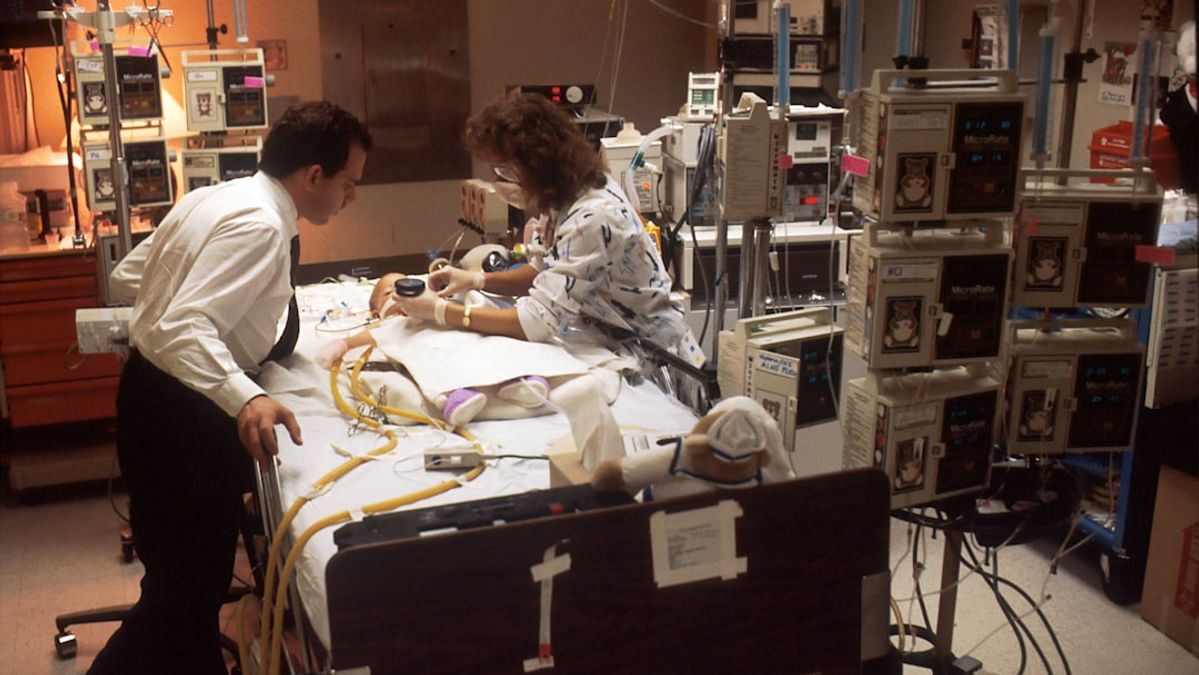
Eastern Democratic Republic of Congo (DRC) is currently battling its 17th Ebola outbreak, a crisis that has rapidly escalated into a public health emergency of international concern. The World Health Organization (WHO) declared this status on May 15, following the confirmation of cases and a concerning rise in suspected infections and fatalities. This latest resurgence of the deadly virus is not merely a medical challenge but a profound geopolitical concern, unfolding in a region already ravaged by protracted conflict, mass displacement, and a severely compromised humanitarian landscape.
The outbreak, which may have been circulating undetected since before its official recognition on April 24, is primarily affecting Ituri province, with Mongwalu, a gold-mining town, identified as the epicenter. Cases have also been reported in Bunia, Rwampara, and Nyakunde in Ituri, as well as in major urban centers like Butembo and Goma in North Kivu province, and even a single death in neighboring Uganda. As of recent reports, officials have recorded 514 suspected cases and 136 believed deaths, underscoring the rapid and lethal progression of the disease.
What makes this particular outbreak especially challenging is the identification of the Bundibugyo strain of Ebola, a less common variant in the DRC, which is more accustomed to the Zaïre species. The Bundibugyo strain presents with less obvious symptoms, often mimicking malaria, leading to delayed diagnosis and allowing the virus to spread silently within communities. This diagnostic challenge was compounded by limited testing capabilities in Ituri, which were initially geared towards detecting the Zaïre strain, further delaying effective containment measures. Congolese Health Minister Dr. Samuel Roger Kamba acknowledged that health teams are playing catch-up, indicating that the virus had a significant head start.
Beyond the biological characteristics of the virus, systemic vulnerabilities have critically undermined the response. The eastern DRC is a theater of persistent armed conflict, involving numerous militia groups and, notably, the M23 rebel group, which controls Goma, a major trading hub and one of the affected cities. This environment of insecurity leads to massive population displacement, with hundreds of thousands of people living in precarious conditions, making disease surveillance and containment exceptionally difficult. Healthcare systems are already severely compromised, lacking adequate infrastructure, personnel, and resources. Residents in affected areas, including Goma, report a dire shortage of fully operational Ebola treatment centers, even days after the outbreak's declaration.
The confluence of a deadly epidemic and ongoing conflict creates a complex geopolitical challenge. The presence of armed groups not only restricts access for health workers but also erodes trust in authorities, hindering community engagement and adherence to public health measures. Local beliefs, such as attributing deaths to witchcraft rather than illness, further complicate efforts to encourage safe burial practices and reporting of cases. For many residents struggling with daily survival, adherence to preventative measures like mask-wearing or avoiding gatherings takes a backseat to immediate needs, as highlighted by local testimonies.
The regional implications are significant. The confirmed death in Uganda underscores the potential for cross-border transmission, threatening regional stability and public health security. The movement of people, whether displaced by conflict or engaged in trade, acts as a vector for the virus, making national borders porous to the disease.
The international community has responded with urgency. The WHO's declaration of a Public Health Emergency of International Concern mobilizes global resources and attention. The United States has pledged $13 million in emergency assistance to the DRC and Uganda, signaling a recognition of the outbreak's potential to destabilize the region and pose a broader global health threat. The evacuation of American medical personnel, including a doctor who contracted the virus, further emphasizes the international dimension and the risks faced by humanitarian workers in such volatile environments.
This 17th Ebola outbreak in the DRC serves as a stark reminder of the country's persistent vulnerability to epidemics, exacerbated by a deeply entrenched humanitarian crisis. The challenges are multifaceted: a novel strain requiring adapted diagnostic and treatment protocols, a healthcare system overwhelmed by conflict and displacement, and communities struggling with poverty and mistrust. Effective containment demands not only robust medical interventions but also integrated strategies that address the underlying drivers of instability, improve governance, and foster community resilience.
Moving forward, sustained international support, coordinated humanitarian efforts, and a focus on strengthening local health infrastructure within conflict-affected zones will be critical. The ability to manage such public health emergencies in complex environments like eastern DRC is a litmus test for global health security and a crucial component of broader peace and stability efforts in the Great Lakes region of Africa.
Source referenced: BBC
This brief was synthesized by our Editorial Engine and reviewed by The Ground Narrative team.


