TRENDING

Monday, 5 October 2026
----------------------
24 Rabi' Al-Thani 1448 AH
The recent Ebola outbreak in the Democratic Republic of the Congo (DRC) has raised concerns about the speed and scale of the crisis. As global health officials respond to the emergency, it is essential to learn from past outbreaks and understand the complexities of the crisis.
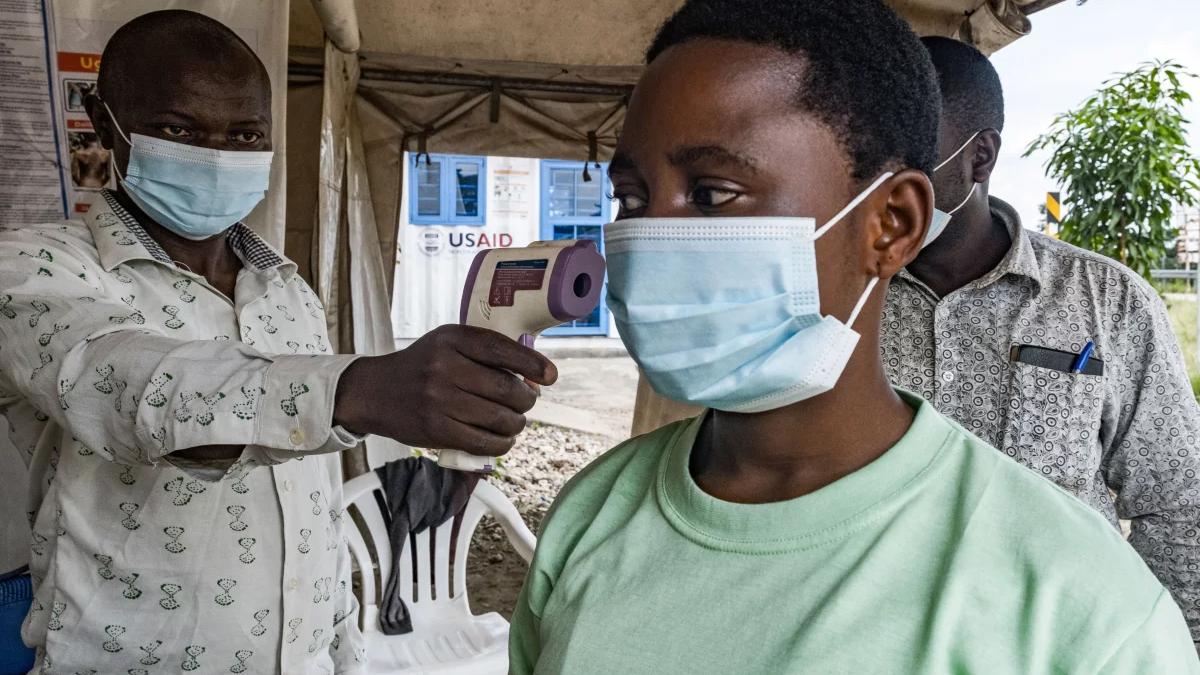
The World Health Organization (WHO) has declared the Ebola outbreak in the Democratic Republic of the Congo (DRC) a public health emergency of international concern (PHEIC). This declaration comes as the number of suspected cases reported before confirmation suggests transmission may have been ongoing for several weeks before the outbreak was formally recognized.
The DRC has experienced several Ebola outbreaks in the past, with the largest one occurring between 2018 and 2020 in the North Kivu province. This outbreak was characterized by social, political, and economic pressures in an area affected by conflict. The complexities of the crisis were intensified by the exploitation of the outbreak by cynical actors during elections, who either suggested Ebola did not exist or had been brought in by outsiders.
The current outbreak shares some of the complicating elements of the 2018 to 2020 outbreak, including:
* Delayed detection: The number of suspected cases reported before confirmation suggests transmission may have been ongoing for several weeks before the outbreak was formally recognized.
* Insecurity and community mistrust: The outbreak is occurring in a region affected by insecurity, population displacement, and high population mobility, all of which can complicate surveillance, contact tracing, and delivery of healthcare.
* Lack of licensed vaccines or therapeutics: The outbreak is caused by the Bundibugyo virus, a rare Ebola-causing virus for which there are currently no licensed vaccines or therapeutics specifically approved.
The spread of the disease across an international border has probably influenced the quick declaration of an international public health emergency. The current epidemic already comprises confirmed cases across both the DRC and Uganda, which likely influenced the declaration of a PHEIC as its focus is really the international nature of the threat.
The WHO's quick declaration of a PHEIC may help mobilize attention and resources, and coordinate response efforts at the international level. However, the lack of licensed vaccines or therapeutics for the Bundibugyo virus poses a significant challenge to the response efforts.
The recent Ebola outbreak in the DRC highlights the importance of learning from past outbreaks and understanding the complexities of the crisis. The quick declaration of a PHEIC by the WHO may help mobilize attention and resources, but the lack of licensed vaccines or therapeutics for the Bundibugyo virus poses a significant challenge to the response efforts. It is essential to continue monitoring the situation and adapting response efforts to address the unique challenges of this outbreak.
Editor's Note: The analysis is based on the available information and may be subject to change as new information becomes available.
Source referenced: GUARDIAN
This brief was synthesized by our Editorial Engine and reviewed by The Ground Narrative team.


