TRENDING

Monday, 5 October 2026
----------------------
24 Rabi' Al-Thani 1448 AH
China's leader Xi Jinping has emerged as a key player in global diplomacy, hosting Vladimir Putin and Donald Trump in the span of a week. But what does this mean for China's relations with the West and its role in international affairs?
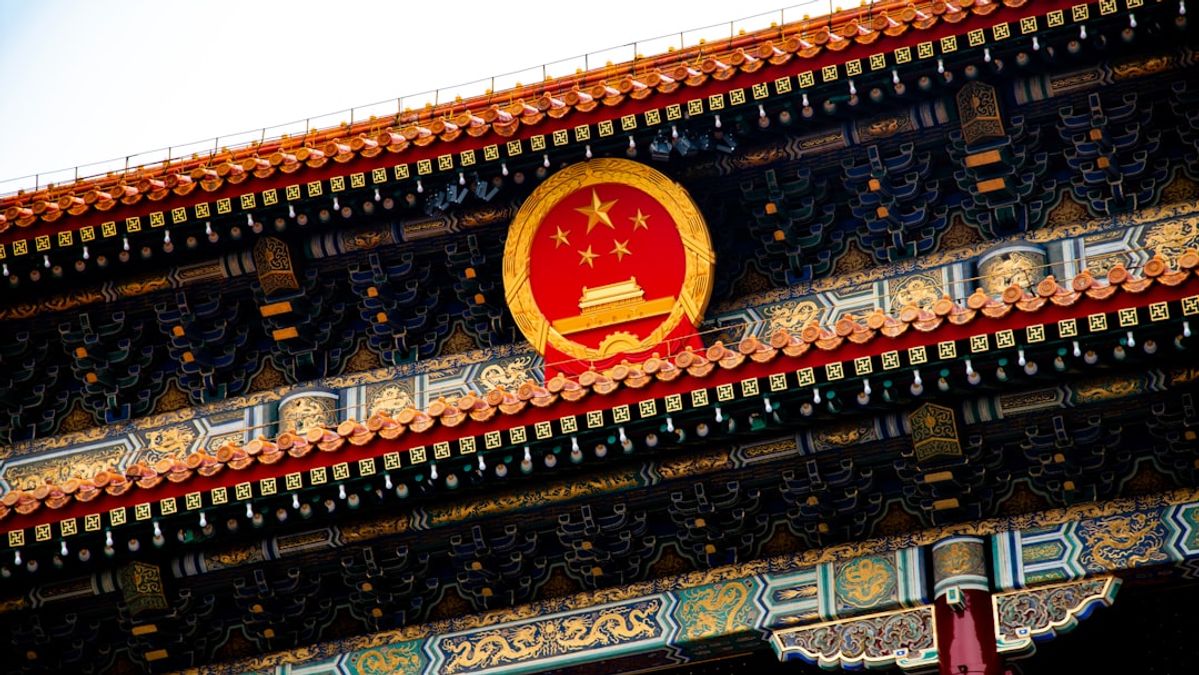
China's leader Xi Jinping has emerged as a key player in global diplomacy, hosting Vladimir Putin and Donald Trump in the span of a week. This remarkable turnaround has been years in the making, as China has repositioned itself from a problem to contain to a power to engage.
The optics of the two visits were strikingly similar, with Xi Jinping confident in the spotlight as he played host. However, the politics driving the two visits were very different. Putin, who has been to China more than 20 times, appears to have a close personal relationship with Xi. But the war in Ukraine and Western sanctions have left him leaning heavily on Beijing, which is now Russia's top trading partner and its biggest customer for oil and gas.
In contrast, the visit with Trump was a demonstration of China's growing economic and diplomatic clout. Stronger trade relationships with the rest of the world and China's dominance in rare earth minerals and advanced manufacturing have given Xi Jinping leverage. Beijing has found itself on an equal footing with Washington in the wake of Trump's unpredictability.
A diplomatic tightrope Xi Jinping walked during the visit was evident in his silence on the war in Ukraine. While he called for an end to the war in Iran, he made no reference to Russia's invasion of Ukraine. This has raised questions in Europe about how far Beijing is willing or able to act as a genuinely even-handed global player.
Beijing has tried to maintain a neutral stance in the war in Ukraine, although both the US and Europe have urged China to cut the economic lifeline it is offering Moscow. However, China fears losing a key ally if Putin loses the war, and it will be concerned about any instability in such a big neighbour.
The relationship between China and Russia endures despite a power imbalance, with both sides recognising that it is too important to fail. However, the partnership is no longer one of equals. Russia clearly needs China more than before at the global stage, and Beijing has been able to use its economic and diplomatic clout to extract concessions from Moscow.
China's diplomatic rise has significant implications for the West. The US, in particular, has been forced to re-evaluate its relationship with China, as Beijing has become a key player in global affairs. The West must now navigate a complex web of relationships with China, balancing its economic interests with its security concerns.
Xi Jinping's diplomatic balancing act has been a remarkable success, as China has emerged as a key player in global diplomacy. However, the limits of China's diplomatic power are evident in its silence on the war in Ukraine. As China continues to rise, the West must be prepared to adapt to a changing global landscape.
Editor's Note: While China's diplomatic rise is a significant development, the implications for the West are still uncertain. Further analysis is needed to understand the full extent of China's influence and its impact on global affairs.
Source referenced: BBC
This brief was synthesized by our Editorial Engine and reviewed by The Ground Narrative team.


