TRENDING

Sunday, 25 October 2026
----------------------
14 Jumada Al-Awwal 1448 AH
A seven-month-old Palestinian infant was fatally shot by Israeli forces in Hebron, West Bank, an incident that has drawn international scrutiny and highlights the severe escalation of violence in the occupied territories since late 2023. The event underscores the profound human cost of the ongoing conflict and its destabilizing impact on regional security and diplomatic efforts.
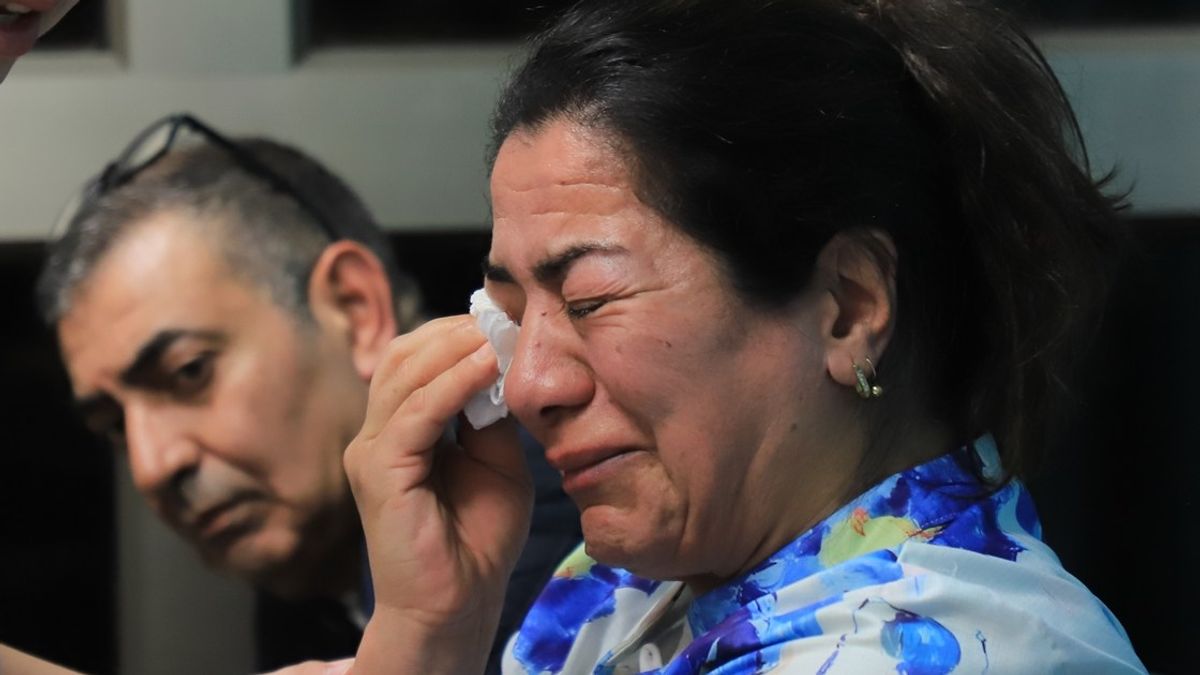
On Friday, June 6, 2026, a tragic incident occurred in the city of Hebron, located in the occupied West Bank, where Israeli forces opened fire on a vehicle, resulting in the death of a seven-month-old Palestinian infant, Sam Fahd Abou Haikal, and the wounding of his parents. According to the Palestinian Ministry of Health, the family was targeted by "occupation forces." The infant was transported to a hospital but succumbed to his injuries.
The grandmother of the infant, Ferial Abu Haikal, recounted to the Wafa news agency that the family was "surprised" by the shooting, asserting that their vehicle was "completely stopped" and posed "no danger or justification for firing." This account contrasts with the initial statement from the Israeli military, which posted on X that during "operational activity," soldiers "perceived a vehicle accelerating toward them" and responded with "single shots toward the vehicle." The Israeli military acknowledged that an initial inquiry found "those injured were uninvolved civilians" and stated that the incident was under review.
This incident is not isolated but rather a stark manifestation of a significant escalation in violence across the occupied West Bank, particularly since the onset of the Israel-Hamas war in Gaza in October 2023. The period following October 2023 has witnessed a dramatic increase in fatalities, with Israeli forces and settlers reportedly killing at least 1,080 Palestinians in the West Bank, according to an AFP tally based on Palestinian Health Ministry data. This surge in violence includes a rise in Israeli military raids, settler attacks, and Palestinian resistance activities, creating a highly volatile and dangerous environment for civilians.
The underlying causes of this escalation are multifaceted. The ongoing military operations in Gaza have intensified pre-existing tensions and grievances in the West Bank. The presence of Israeli settlements, the daily realities of military occupation, and the frequent clashes between Israeli forces and Palestinians contribute to a cycle of violence and mistrust. The incident in Hebron, a city often considered a flashpoint due to the presence of Israeli settlers within its Palestinian-majority areas, further exemplifies the fragility of security and the constant potential for deadly confrontations.
The killing of an infant, particularly one deemed an "uninvolved civilian" by the Israeli military's own initial inquiry, carries significant geopolitical and diplomatic ramifications. Such events invariably draw international condemnation and intensify scrutiny of Israel's conduct in the occupied territories. Human rights organizations and international bodies are likely to amplify calls for accountability and protection of Palestinian civilians, further complicating Israel's international standing and its relationships with key allies.
From a regional stability perspective, incidents of this nature fuel resentment and despair among Palestinians, potentially contributing to further radicalization and a deepening of the conflict. They undermine any prospects for de-escalation or future peace negotiations, as trust between the parties erodes further. The international community, including the United States and European Union, often finds itself in a difficult position, balancing support for Israel's security concerns with calls for adherence to international law and the protection of civilian lives.
The Israeli military's acknowledgment that the injured were "uninvolved civilians" and its commitment to an internal review are critical, yet the effectiveness and transparency of such investigations are frequently questioned by Palestinian and international observers. The outcome of this review will be closely watched as a measure of accountability. However, even with internal investigations, the broader pattern of violence in the West Bank suggests a systemic challenge in managing security in an occupied territory while minimizing civilian casualties.
Looking ahead, the tragic death of Sam Fahd Abou Haikal serves as a poignant reminder of the human cost of the protracted Israeli-Palestinian conflict. It underscores the urgent need for effective de-escalation mechanisms, robust protection for civilians, and a renewed commitment to a political resolution that addresses the root causes of the conflict. Without such measures, the cycle of violence in the West Bank is likely to persist, continuing to claim innocent lives and further destabilizing an already volatile region.
Source referenced: ALJAZEERA
This brief was synthesized by our Editorial Engine and reviewed by The Ground Narrative team.