TRENDING

Sunday, 25 October 2026
----------------------
14 Jumada Al-Awwal 1448 AH
The US Pentagon has raised the threat level on Israeli spying from 'high' to 'critical' due to concerns over increasingly aggressive tactics related to the US-Israeli war with Iran. The move highlights growing tensions between the two allies and raises questions about the close intelligence and military coordination between them.
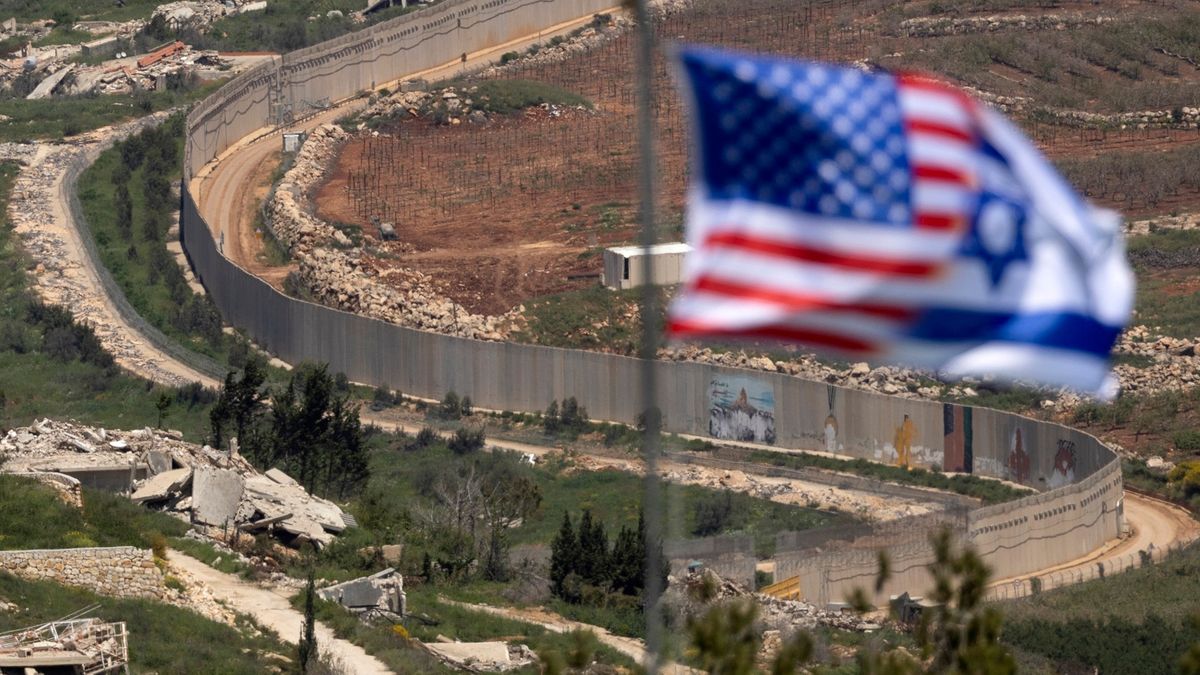
The recent decision by the Pentagon's Defense Intelligence Agency (DIA) to raise the threat level on Israeli spying from 'high' to 'critical' marks a significant escalation in tensions between the US and Israel. This move is a direct response to concerns over increasingly aggressive tactics employed by Israel in relation to the ongoing US-Israeli war with Iran.
The US-Israeli war with Iran, which began on February 28, has been a contentious issue between the two nations. While US President Donald Trump has expressed a desire to bring the war to a close, Israeli Prime Minister Netanyahu has called for its resumption. The war has been paused since a temporary ceasefire was announced on April 8, but efforts to reach a lasting agreement have repeatedly stalled.
Israel's aggressive tactics, including the alleged surveillance of top US officials, are likely driven by a desire to understand internal White House deliberations about ending the war. This is particularly significant given the public divergence between Trump and Netanyahu on the war's approach. The increased DIA designation surpasses all current allies, as well as a handful of countries with more fraught relations, highlighting the uniqueness of Israel's recent behavior.
The raised threat level on Israeli spying is likely to raise questions over the close intelligence and military coordination between the US and Israel. The US has provided billions in military aid and weapons sales to Israel, including throughout the genocide in Gaza. The current debate in the US Congress over integrating the two countries' research and development for weaponry to an unprecedented degree is also likely to be impacted by this development.
The escalation of tensions between the US and Israel has significant implications for regional stability. The increased DIA designation may lead to a reevaluation of the US-Israeli relationship, potentially resulting in a decrease in military aid and cooperation. This could have far-reaching consequences for the Middle East, including the potential for escalation in the US-Israeli war with Iran.
The Pentagon's decision to raise the threat level on Israeli spying from 'high' to 'critical' marks a significant escalation in tensions between the US and Israel. This move highlights the growing concerns over Israel's aggressive tactics and raises questions about the close intelligence and military coordination between the two nations. The future consequences of this development are uncertain, but one thing is clear: the US-Israeli relationship is at a critical juncture, and the implications for regional stability are significant.
Editor's Note: The analysis is based on publicly available information and may not reflect the full scope of the situation.
Source referenced: ALJAZEERA
This brief was synthesized by our Editorial Engine and reviewed by The Ground Narrative team.