TRENDING

Monday, 19 October 2026
----------------------
8 Jumada Al-Awwal 1448 AH
The US-Iran ceasefire talks have stalled after Hezbollah rejected a US-brokered truce in Lebanon, exacerbating the ongoing conflict and raising concerns about the future of the negotiations.
The recent escalation of violence in Lebanon and the rejection of a US-brokered truce by Hezbollah have stalled the US-Iran ceasefire talks. This development has significant implications for the ongoing conflict and the future of the negotiations.
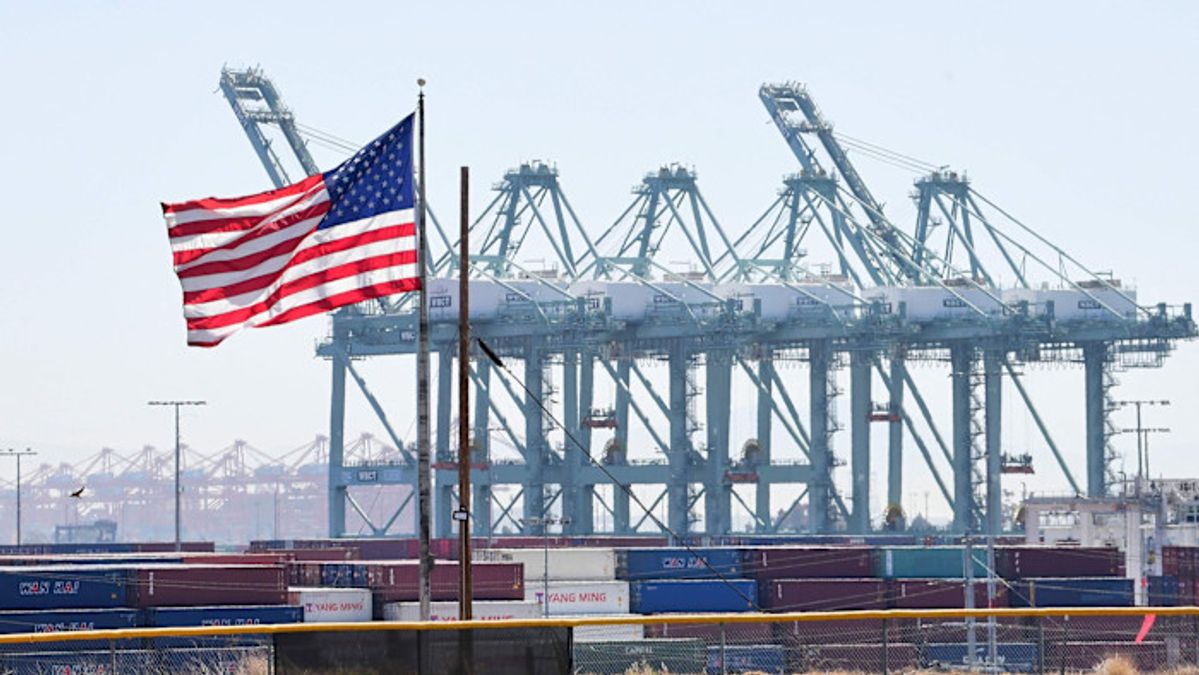
The US-Iran conflict has been ongoing since February 28, with the US and Israel striking Iran and cutting off oil supplies through the Strait of Hormuz. The conflict has resulted in a significant increase in oil prices, with industry officials warning that prices could spike again as inventories are drawn down.
Hezbollah's rejection of the US-brokered truce is a significant setback for the negotiations. The group's leader, Naim Qasem, dismissed the deal as "absurd" and stated that Hezbollah will not accept linking its presence in Lebanon with stopping the war and Israel's withdrawal. This rejection has raised concerns about the future of the negotiations and the ability of the US to restrain Israel's attacks in Lebanon.
The US is seeking to extricate itself from the conflict, which has become increasingly unpopular in the US. The recent vote by the Republican-led House of Representatives to halt the war is a reflection of this growing unpopularity. However, the US is also under pressure from Israel to continue its military campaign against Iran.
The rejection of the truce by Hezbollah has significant regional implications. The conflict in Lebanon has the potential to escalate into a wider conflict involving Iran, Israel, and other regional actors. The US is caught in the middle of this conflict, with its ability to restrain Israel's attacks in Lebanon being called into question.
The stalled negotiations and the rejection of the truce by Hezbollah have significant future consequences. The conflict is likely to continue, with the potential for further escalation. The US will need to reassess its strategy in the region and consider alternative options for resolving the conflict.
The US-Iran ceasefire talks have stalled amid Hezbollah's rejection of the truce. This development has significant implications for the ongoing conflict and the future of the negotiations. The US will need to reassess its strategy in the region and consider alternative options for resolving the conflict.
Source referenced: STRAITSTIMES
This brief was synthesized by our Editorial Engine and reviewed by The Ground Narrative team.