TRENDING

Tuesday, 27 October 2026
----------------------
16 Jumada Al-Awwal 1448 AH
A US appeals court has ruled that Chobani must face a lawsuit for falsely advertising its Zero Sugar yogurt, which contains 4 grams of allulose per serving. The FDA states that products labeled 'zero sugar' cannot have more than 0.5 grams of sugar per serving, including allulose as a sugar.
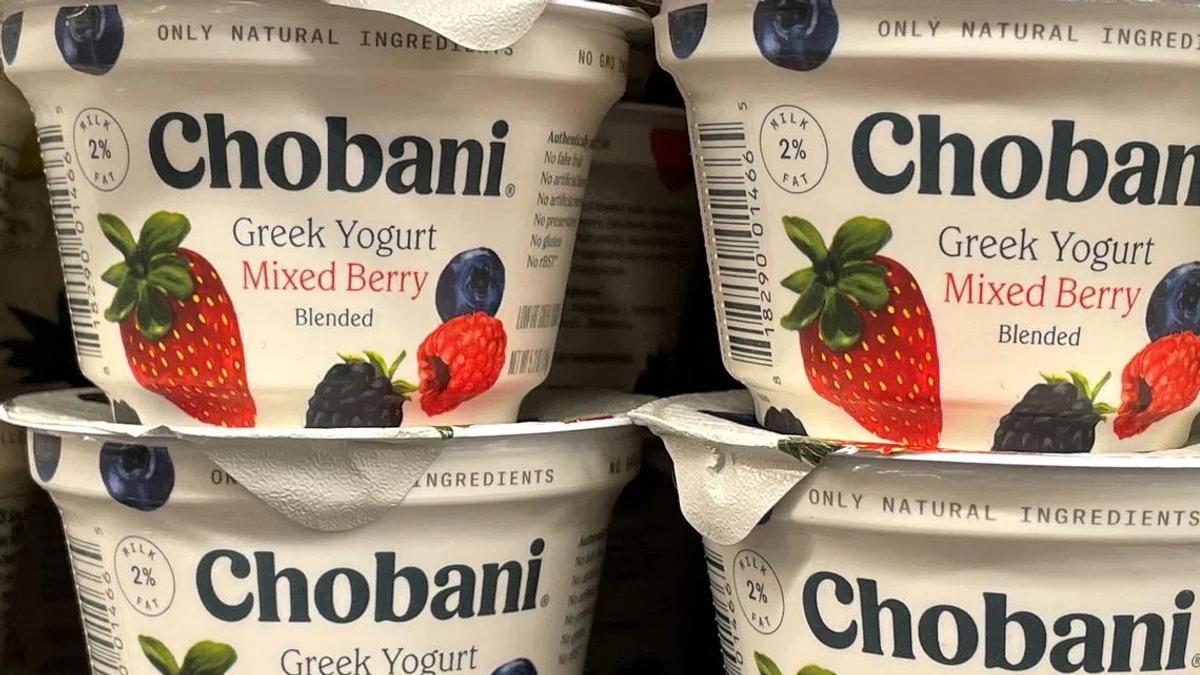
The recent US appeals court ruling that Chobani must face a lawsuit for falsely advertising its Zero Sugar yogurt has significant implications for the food industry and consumers alike. The court's decision highlights the importance of accurate labeling and the need for clearer regulations on what constitutes 'zero sugar' or 'sugar-free' products.
Chobani's Zero Sugar yogurt contains 4 grams of allulose per serving, a naturally occurring sweetener that is not considered a sugar by the FDA. However, the FDA regulation states that products labeled 'zero sugar' or 'sugar-free' cannot have more than 0.5 grams of sugar per serving, including allulose as a sugar. The court found that consumers could be misled by the label and returned the case to a federal judge for further proceedings.
The motivations behind Chobani's labeling decision are unclear, but it is likely that the company sought to capitalize on the growing demand for low-sugar and sugar-free products. However, the court's ruling suggests that Chobani's labeling may have been misleading, which could damage the company's reputation and lead to financial losses.
The FDA has been regulating food labeling for decades, but the rise of low-sugar and sugar-free products has created new challenges for the agency. The court's ruling highlights the need for clearer regulations on what constitutes 'zero sugar' or 'sugar-free' products and the importance of accurate labeling.
The court's ruling has implications for the food industry beyond Chobani. Other companies that label their products as 'zero sugar' or 'sugar-free' may be subject to similar lawsuits and regulations. This could lead to a shift in the way companies label their products, with a greater emphasis on transparency and accuracy.
The court's ruling could have significant consequences for the food industry, including increased regulatory scrutiny and potential financial losses for companies that engage in misleading labeling. Consumers may also be more vigilant in their purchasing decisions, seeking out products with clear and accurate labeling.
The US appeals court ruling on Chobani's Zero Sugar yogurt labeling is a significant development in the ongoing debate over food labeling regulations. The court's decision highlights the importance of accurate labeling and the need for clearer regulations on what constitutes 'zero sugar' or 'sugar-free' products. As the food industry continues to evolve, it is likely that we will see increased regulatory scrutiny and a greater emphasis on transparency and accuracy in labeling.
Source referenced: STRAITSTIMES
This brief was synthesized by our Editorial Engine and reviewed by The Ground Narrative team.