TRENDING

Tuesday, 6 October 2026
----------------------
25 Rabi' Al-Thani 1448 AH
The UK government has paid substantial compensation to Abu Zubaydah, a Guantánamo detainee held without trial for 24 years, acknowledging British intelligence complicity in his torture. This settlement highlights the unresolved legacy of the War on Terror.
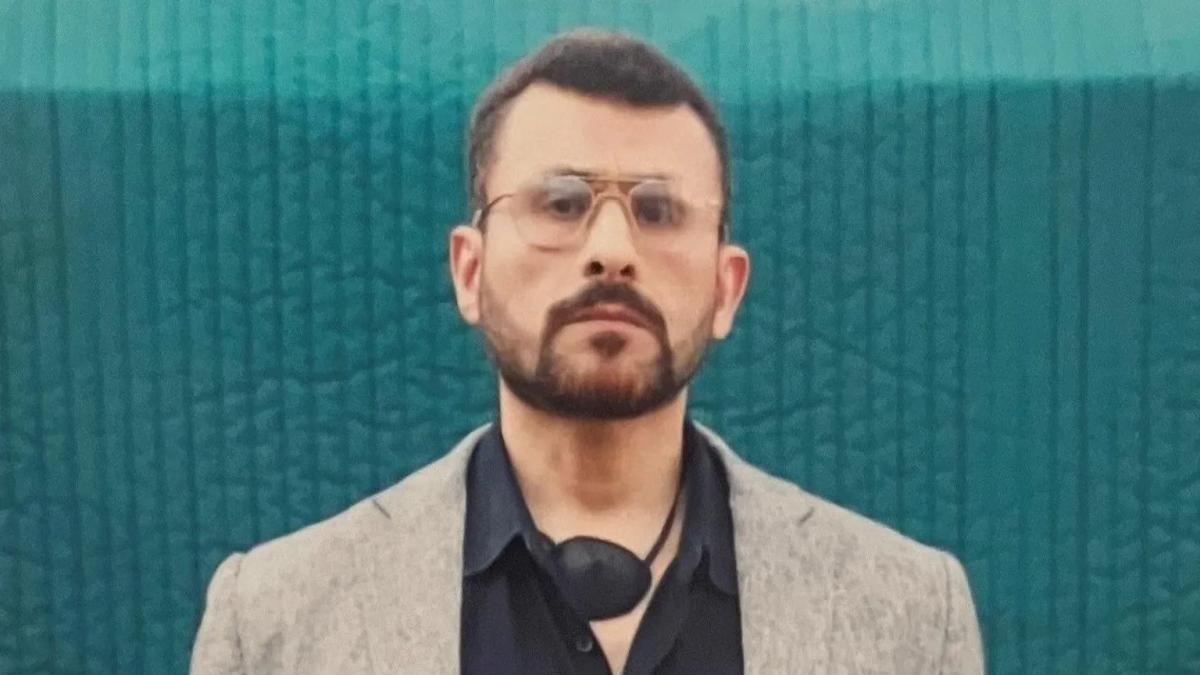
In a landmark admission, the UK government has agreed to provide "substantial" financial compensation to Abu Zubaydah, a Palestinian man imprisoned without charge at the US military prison in Guantánamo Bay for nearly a quarter of a century. The settlement resolves a civil claim alleging that British intelligence services were complicit in his torture during the post-9/11 War on Terror.
British officers are documented to have interrogated Zubaydah in the early 2000s while aware he was being subjected to CIA "enhanced interrogation techniques," including waterboarding. Captured in Pakistan in 2002 and once falsely labelled a senior al-Qaeda figure, Zubaydah was later described as a "guinea pig" for developing the CIA's torture programme before his transfer to Guantánamo, where he remains among 15 detainees.
His international lawyer, Helen Duffy, stated the compensation implicitly recognises his "intolerable suffering" but is insufficient while he "continues to languish in unlawful detention." The case underscores the enduring legal and moral controversies of Western counterterrorism practices.
While former MI6 chief Sir Richard Moore asserted that "lessons have been learned" and oversight frameworks are now "utterly different," the settlement has drawn political fire. Conservative critics, like Robert Jenrick, have accused the government of capitulating to "lawfare" and questioned the use of taxpayer money.
The human rights group CAGE, which has long campaigned for Zubaydah, notes this is not the first such UK payout—referencing 2010 settlements with former detainees like Moazzam Begg—and argues compensation without accountability is inadequate. CAGE's Senior Director, Begg, connects Zubaydah's ordeal as a stateless Palestinian to broader patterns of injustice, urging Prime Minister Keir Starmer to press for his release.
Ultimately, this financial settlement exposes the deep UK involvement in the US-led system of rendition and torture but fails to provide justice or freedom for Abu Zubaydah. It stands as a stark reminder that the legal architecture enabling indefinite detention without trial remains, and true accountability for the War on Terror's excesses is yet to be realised.