TRENDING

Wednesday, 21 October 2026
----------------------
10 Jumada Al-Awwal 1448 AH
US President Donald Trump plans to impose a 100% tariff on generic drugs from August 2028, doubling to 200% in 2029, to incentivize domestic production. This move has significant implications for the global pharmaceutical industry and regional trade dynamics.
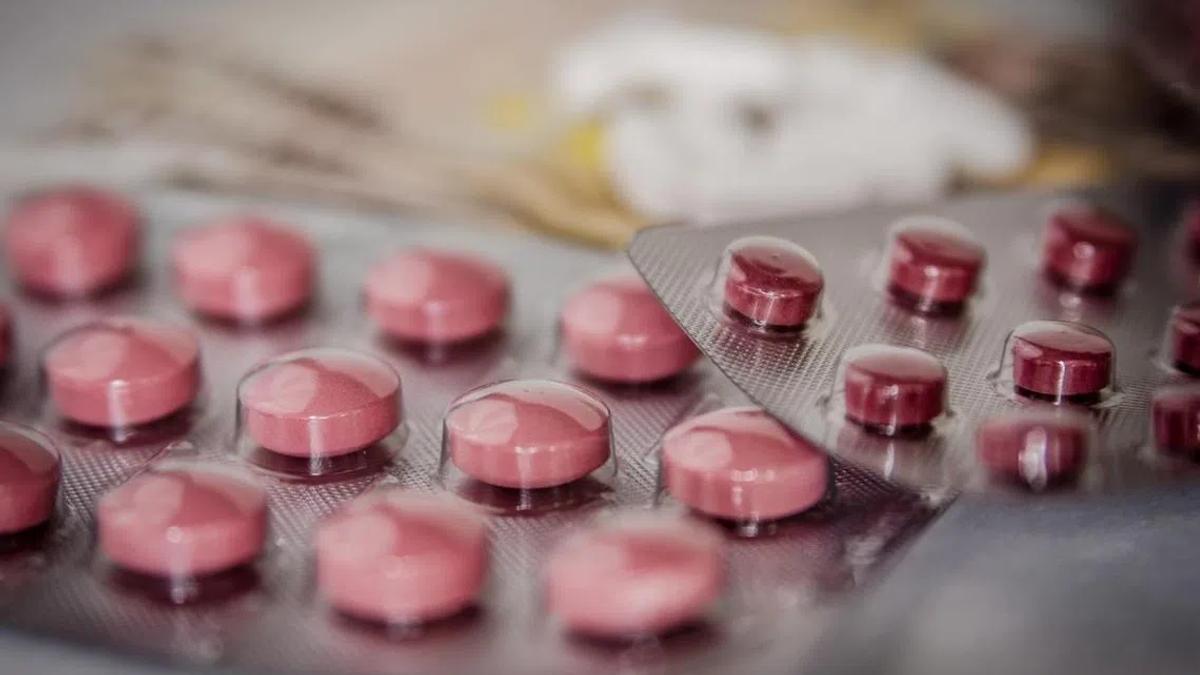
US President Donald Trump's announcement to impose a 100% tariff on generic drugs from August 2028, with a doubling to 200% in 2029, is a calculated move to reshore generic pharmaceutical production in the United States. This decision is part of Trump's broader strategy to reduce the cost of drugs and create jobs in the US. By imposing a significant tariff, Trump aims to penalize companies that fail to invest in domestic production, thereby incentivizing them to relocate their manufacturing facilities within the two-year timeframe.
The US has long been concerned about the affordability of prescription drugs, with Trump repeatedly highlighting the disparity between US and foreign prices. This issue has become a key driver of affordability concerns ahead of the 2026 midterm elections. The administration's recent launch of the direct-to-consumer discount drug sales platform, TrumpRX, further underscores the government's efforts to address this issue.
The imposition of tariffs on generic drugs will have far-reaching implications for the global pharmaceutical industry. Many generic drug manufacturers, particularly those in India and China, rely heavily on exports to the US market. A 100% tariff will significantly increase their costs, potentially leading to a reduction in exports or even a shift in production to other countries. This, in turn, may create opportunities for domestic US manufacturers to fill the gap, but it also risks exacerbating supply chain disruptions and price increases for consumers.
The consequences of Trump's tariff plan will be multifaceted. On one hand, it may lead to increased domestic production and job creation in the US. On the other hand, it may result in higher prices for consumers, reduced access to affordable generic drugs, and potential shortages. The administration's decision to exempt patented drugs from the tariff plan may also create an uneven playing field, favoring domestic manufacturers of patented medicines over generic drug producers.
While Trump's tariff plan is designed to reshore generic pharmaceutical production, it is also a protectionist measure that may have unintended consequences for the global pharmaceutical industry. The administration's willingness to impose significant tariffs on generic drugs demonstrates its commitment to addressing affordability concerns, but it also raises questions about the long-term sustainability of this approach. As the US continues to navigate the complexities of global trade, it is essential to consider the potential consequences of such policies on regional trade dynamics and the global pharmaceutical industry.
Trump's tariff plan on generic drugs is a calculated move to reshore production in the US, but it also carries significant risks and uncertainties. As the global pharmaceutical industry continues to evolve, it is essential to monitor the implementation of this policy and its impact on regional trade dynamics, consumer prices, and access to affordable generic drugs.
Editor's Note: The long-term sustainability of Trump's tariff plan is uncertain, and its impact on regional trade dynamics and the global pharmaceutical industry will depend on various factors, including the response of generic drug manufacturers and the effectiveness of domestic production incentives.
Source referenced: STRAITSTIMES
This brief was synthesized by our Editorial Engine and reviewed by The Ground Narrative team.