TRENDING

Monday, 5 October 2026
----------------------
24 Rabi' Al-Thani 1448 AH
Parts of Australia’s Victoria state have been declared disaster zones as dozens of bushfires burn amid severe to extreme heatwave conditions, destroying homes, cutting power to thousands and prompting warnings of dangerous fire weather nationwide.
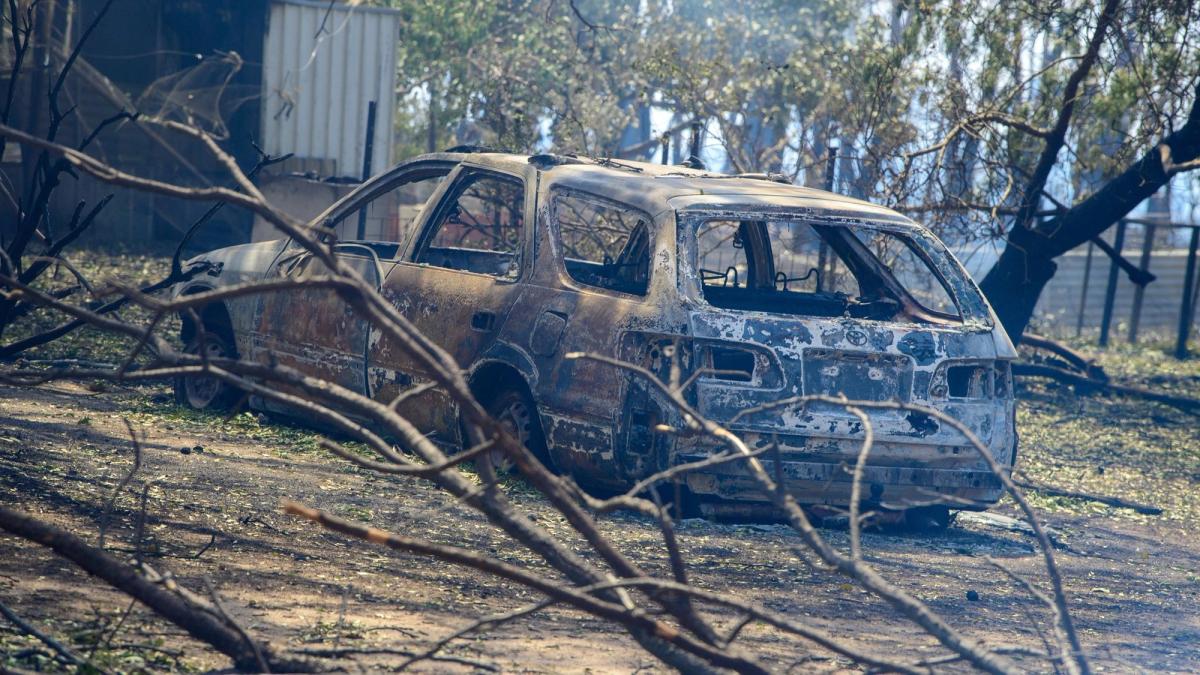
Parts of Australia’s Victoria state have been declared disaster zones as bushfires continue to rage amid an extreme heatwave, destroying homes and leaving tens of thousands without power.
Victoria Premier Jacinta Allan said fires have torn through more than 300,000 hectares of land, with around 30,000 homes and businesses currently without electricity. In a post on X, she said there were 10 major fire fronts and a further 20 fires being closely monitored, warning that conditions remained “dangerous and unpredictable”.
Authorities issued 16 emergency warnings — the highest alert level — for major fires near Walwa, Longwood, Wonnangatta and Ravenswood. Footage shared by local fire crews showed intense firefighting efforts in towns including Malmsbury, northwest of Melbourne.
In neighbouring New South Wales, officials reported 47 active fires, with four still not contained. NSW Rural Fire Service Commissioner Trent Curtin warned that “very difficult weather conditions” were expected, making containment challenging.
Prime Minister Anthony Albanese earlier warned Australians of a day of “extreme and dangerous” fire weather. The current blazes are the most severe in Victoria since the Black Summer fires of 2019–2020, which killed 33 people and devastated vast areas of the country.
The largest fire near Longwood, north of Melbourne, has burned about 130,000 hectares, destroying at least 30 structures, along with vineyards and agricultural land. Victoria Police confirmed that three people previously reported missing have since been found safe.
Forecasters have issued severe to extreme heatwave warnings across large parts of the country. While temperatures are expected to ease slightly in some areas, the Bureau of Meteorology predicted highs of 43°C in Sydney and 37°C in Canberra.
Meanwhile, authorities are also monitoring a tropical low-pressure system approaching Queensland, which could strengthen into a category one cyclone. The system is expected to bring damaging winds and potentially life-threatening flash flooding, compounding Australia’s growing weather emergency.


