TRENDING

Monday, 5 October 2026
----------------------
24 Rabi' Al-Thani 1448 AH
Russia has confirmed firing its nuclear-capable hypersonic Oreshnik missile at western Ukraine, striking near the Polish border in an escalation experts say is aimed at intimidating NATO allies as stalled peace efforts falter.
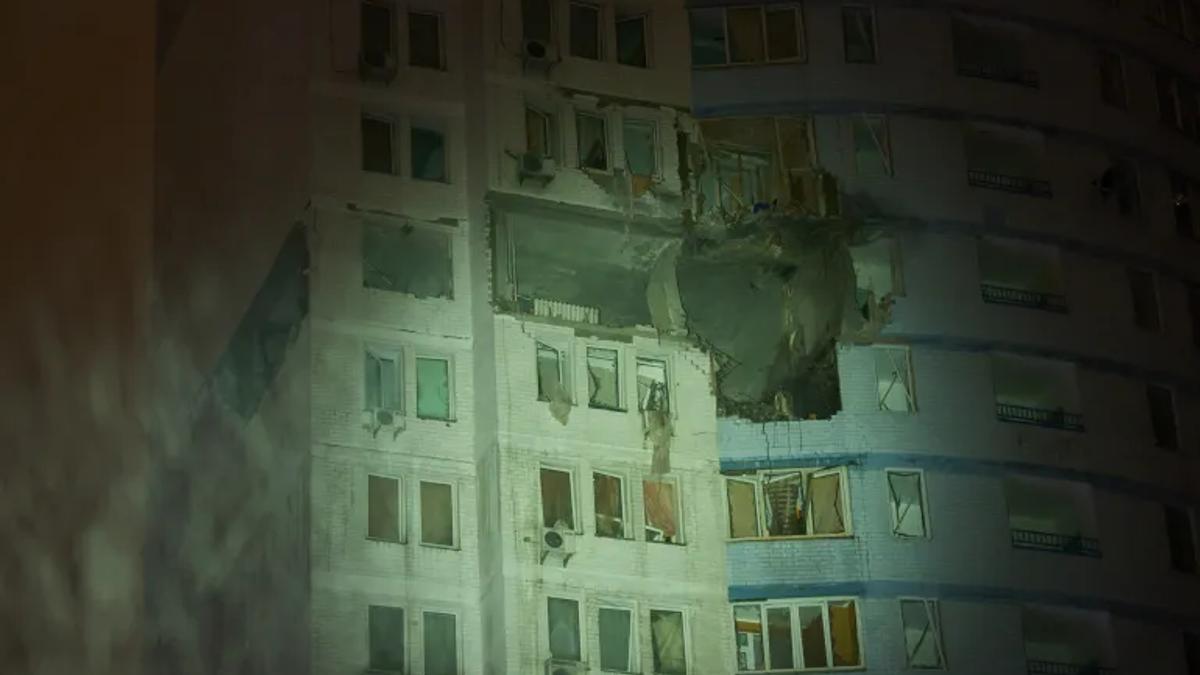
Russia confirmed on Friday that it fired its hypersonic Oreshnik missile at Ukraine overnight, striking targets in the western city of Lviv, just kilometres from the Polish border, amid intensifying fighting and stalled peace efforts.
The Russian military said the strike was part of broader attacks on Ukrainian energy infrastructure and drone production facilities, claiming it was retaliation for an alleged Ukrainian drone attack on President Vladimir Putin’s residence in Novgorod in December 2025. Ukraine and the United States have denied that any such attack occurred.
Ukrainian officials said at least four people were killed and 22 injured in strikes on Kyiv, while Lviv’s mayor reported damage to critical infrastructure from a high-speed ballistic missile travelling at approximately 13,000km/h. Ukraine’s air force said the exact missile type used in Lviv was still being assessed, though Moscow later claimed it was the Oreshnik system.
Lviv lies around 70km from Poland, a NATO member, making the strike particularly sensitive. Ukrainian officials warned that the use of such a weapon so close to the European Union and NATO borders posed a serious threat to regional security.
The Oreshnik is an intermediate-range, nuclear-capable hypersonic ballistic missile capable of travelling at more than Mach 5 and manoeuvring mid-flight, making it difficult to intercept. Russia is believed to have used the missile only once before, in November 2024, when it struck the city of Dnipro with what Ukrainian sources said were dummy warheads.
If the missile used in the latest strike carried live explosives, it would mark the first time Moscow has deployed the Oreshnik at full conventional capacity in the war. The missile has a reported range of up to 1,600km and is derived from Russia’s RS-26 Rubezh intercontinental ballistic missile programme.
Experts say the attack was likely intended as a signal to Ukraine’s Western backers. “Putin is using this to communicate with the West,” said Cyrille Bret, a Russia analyst at the Montaigne Institute. “The same military effect could have been achieved without this missile.”
The governments of the UK, France and Germany jointly condemned the use of the weapon, calling it “escalatory and unacceptable.” Ukrainian Foreign Minister Andrii Sybiha said the strike was a “grave threat” to European security and demanded a strong international response.
The escalation comes as peace talks aimed at ending the nearly four-year-old war remain deadlocked. Analysts say Russia’s use of advanced weaponry is unlikely to break the stalemate, with territorial concessions remaining the core unresolved issue between Moscow and Kyiv.
Despite ongoing negotiations, observers warn the latest strike underscores Russia’s intent to maintain military pressure while diplomatic efforts continue to falter.


